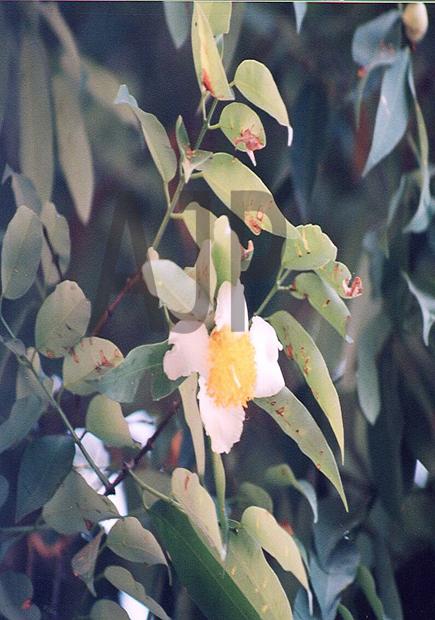
Botanical Name: Mesua ferrea Linn.
Family: Guttiferae; Clusiaceae
Introduction:
It used as lepana for visarpa (bala rogas). Susrutha & Vagbhata used synonyms of this plant, this also coming under chaturjataka.
Names in different Indian languages
| English | Iron-wood, Mesu |
|---|---|
| Hindi | Nagakesar |
| Kannada | Nagasampige |
| Malayalam | Nagappuvu, nanku, nagachempakam, vayanavu, churuli, eliponkhu |
| Sanskrit | Nagapushpah, nagakesarah |
| Tamil | Nagakesaram ,Sirunagappo, nanku |
| Telugu | Nagakesaramu, gajapuspam |
| Unani | Naarmushk |
| Folk |
Synonyms
Naagapushpa, Chaampeya, Naaga, Naagakinjalika, Ahipushpa, Ahi Puspa, Kanakãhva, Kañcanãhvaya, Kiñijilkam, Kesaram, Cãmpeyam, Natam, Nagam, Naga Kiñjilkam, Naga Puspam, Naga renuka, Piñjaram,Phani pannagam, Rukmam, Suvarnam, Hema pusam
Mesua nagassarium (Burm. f.) Kosterm
Classification according to Charaka, Susrutha & Vagbhata
| Charaka | |
|---|---|
| Susrutha | Elãdi, Vacãdi, Anjanãdi, Priyangvadi ganas |
| Vagbhata | EIädi, Vacädi, Anjanadi, Priyangvadi ganas |
Varieties & adulterants – (CV – controversy, AD – adulterants)
(1) Naga kesara – Mesua ferrea Linn
(2) Pacima kesara – Ochrocarpus longifolius Benth &
Hook, f., (lal varieties)
(3) Punnaga – Calphyllum inopylrur linn
(4) Karu Nagakesara – Cinnamomum wightii/ C. tamala
(5) Dillenia pentagyna-malabar naga kesara
Mesua nagassarium
Morphology
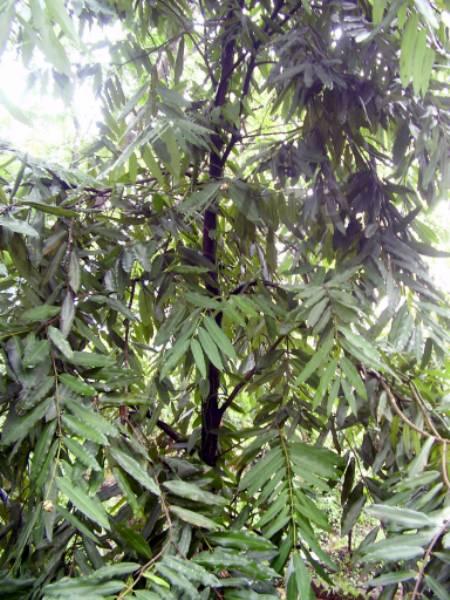
It is a medium sized tree; bark ash-coloured.
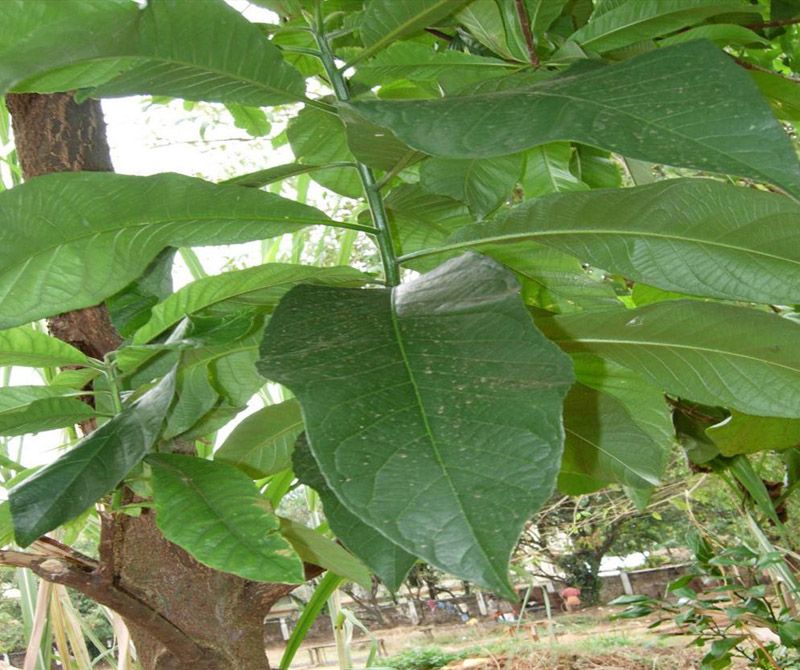
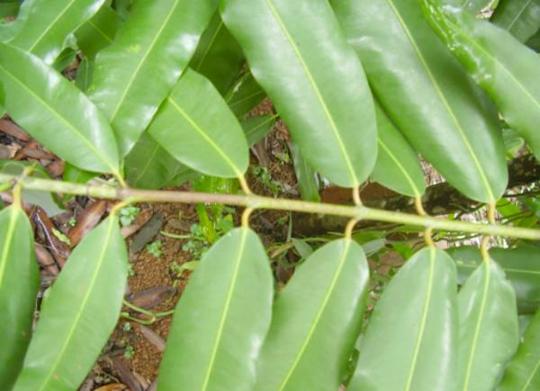
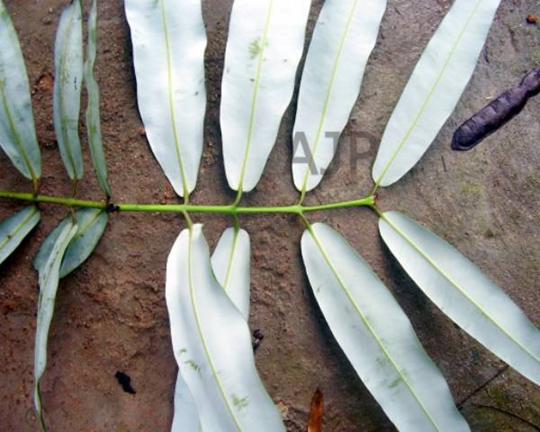
Leaves- 8- 12 by 3-4 cm. oblong-lanceolate, acute acuminate, glabrous above and glaucous beneath, petioles 6-8 mm. long.
Flowers- white coloured, 2-2.5cm. deameter, axillary or terminal, stamens are numerous, golden-yellow coloured.
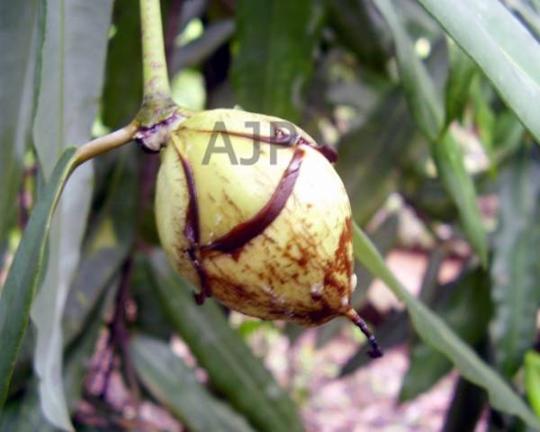
Fruit- 2.5-3 cm. long.Ovoiad.seed– 1-4, angular, smooth, chestnut brown in colour.
Distribution & Habitat
Along western ghats of Konkan and Malabar area, Tamil nadu.
Chemical constituents:
Xanthones, euxanthone, mesuaxanthones,A and B,Mesuol , Mesuaxanthone B- and euxanthone MammeiSin ,Maminegin ,mesuol , mesuaferrofle glycoside- cyclohaxodione– mesuaferrol, Octadecatriefloic and hexadecanoic acids
Properties:
Rasa Kasäya, Tikta
Guna Rüksa, Tiksna, Laghu
Virya – Usna/Anusna
Vipaka – Katu
Karma – Kapha– Pittahara Pramãti, Grãhi, Pachan, Visahara, sotha hara, Kandughna, Kushtaghana
antidysenteric. ,astringent, haemostatic, anti-inflammatory, stomachic, antibacterial, antifungal
Srotogamitva:
Dosha : vata pitta hara
Dhatu :rasa
Mala :mutrala
Organ : intestine
Indication:
Raktaras Raktatisãra, Rakta Pradara, Kustha, Visarpa, Jvara, Chardi, Vãta rakta, sopha, Vãta roga, siro roga, Trsnã, Visa roga,
cough, bleeding piles,metrorrhagia, leucorrhoea, fever, ulcers
Part used:
Flower, Stamens, leaf,
Dosage:
Dosage— Powder of stamens 1-3g. orally.
Leaf juice 10-15 ml
Powder 2-4 g
Decoction 50-100 ml
External use
Lepana in visarpa
Internal uses
Central nervous system :it is useful in brain debility and hysteria.
Digestive system : It is an appetizer, mainly digestive, antidipsetic, antiemetic, antihaeniorrhoid, astringent and vermicide. It also acts as a haemostatic in bleeding piles.
Circulatory system :, it is used in cardiac debility, rakta pitta, and blood disorders.
Respiratory system: It is used in cough induced by kapha, dyspnoea anti hiccoughs
Reproductive system : It is used as an aphrodisiac
Urinary system : Diuretic, hence useful in retention of urine.
Skin : Kushthaghna..
Temperature : Febrifuge. Useful in fever.
Satmikaran : It is used as a .tonic and antidote,
Important Yogas or Formations:
Kanakasava,catujataka,eladichurna,kesaradi kasayam.
Therapeutic Uses:
(1) Rakta Aras— Naga kesara cürna (2-3gm) shall be administered orally alongwith butter and sugar (C.S.Ci.14/210)’
(2) Hikkã— Nagakesara cürna (2-4gm) is given orally with honey and sugar along with (S.S.Ut.50/24)2.
(3) Rakta Pradara— Nagakesara cürna is to orally administered while consuyming plenty or butter-milk daily
(4) Sveta Pradara— Naga kesara is soaked in the buttermilk and administered orally for 3 days (V. S. & Y. R.)4.
(5) Rakta Atisãra— Nãga kesara churna with sugar (V. S.)5.
(6) Pumsavana— The lady who wants to have a female child should consume Nagakesara along with ghee (5gm dose daily) during the period of ovulation (Rtu kãla)- (R. M.)’.
(7) Garbhasrava- Powders of Naga kesara and Püga (beetle nut) are mixed together and given orally.