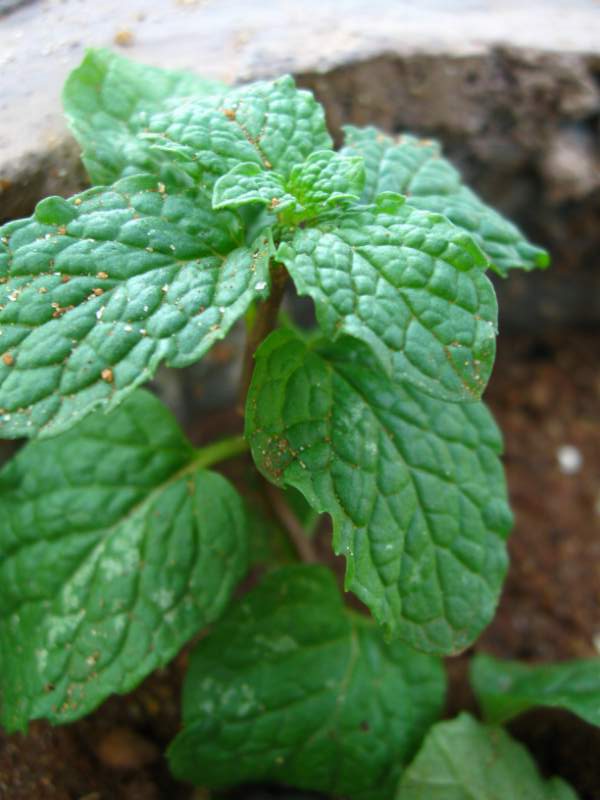
Botanical Name: Mentha spicata Linn. emend. Nathh.
Family: Labiatae; Lamiaceae
Introduction:
Scientific classification: Mints make up the family Lamiaceae (formerly Labiatae) of the order Lamiales. The well-known mint genus is Mentha. Peppermint is classified as Mentha piperita, spearmint asMentha spicata, and pennyroyal as Mentha pulegium. Lavender is classified in the genus Lavendula and shellflower in the genusMolucella.
Names in different Indian languages
| English | Mint |
|---|---|
| Hindi | Pudinaa |
| Kannada | Chetamarugu |
| Malayalam | Pudinaa |
| Sanskrit | Pudinaa |
| Tamil | Pudinaa |
| Telugu | Pudinaa |
| Unani | Nanaa, Pudinaa Kohi |
| Folk |
Synonyms
Pudinaa, Podinaka, Puutihaa, Rochini.
Mentha viridis Linn
Classification according to Charaka, Susrutha & Vagbhata
| Charaka | |
|---|---|
| Susrutha | |
| Vagbhata |
Varieties & adulterants – (CV – controversy, AD – adulterants)
Morphology
Annual shrub having strong smell.
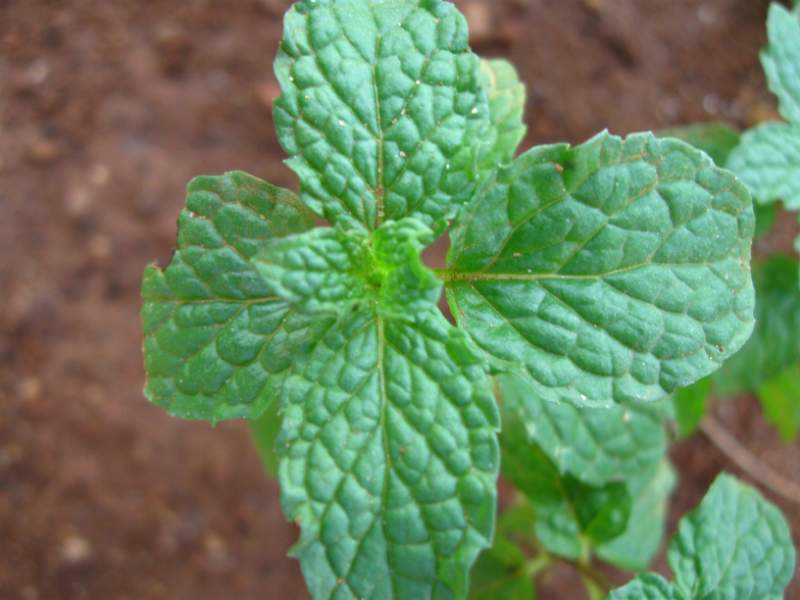
Leaves – tender with serrated margins.
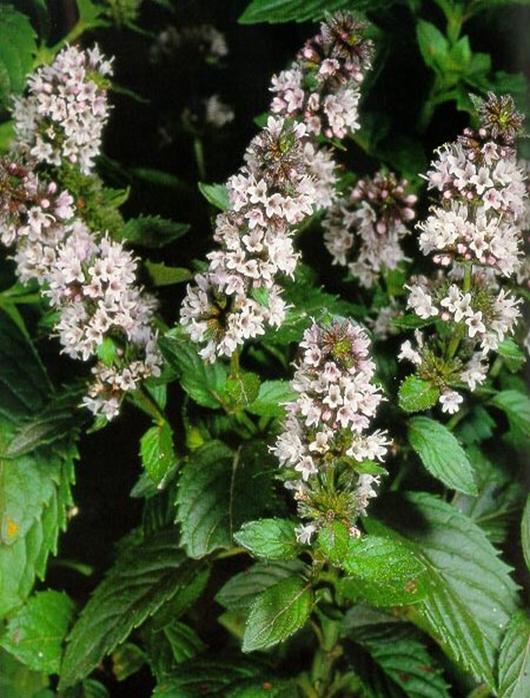
Flower stalk bears inflorescence all around
Varieties : It has many varieties. They are also classified according to their locations like jungle, mountains and marshy land.
Distribution & Habitat
Cultivated
Chemical constituents:
Carvone, limonene , flavonoids, diosmin , diosmetin, Caffeic acid , rosmarinic acid
Properties:
Guna :, laghu, ruksha, tikshna;
Rasa : katu;
Vipaka : katu;
Virya : ushna;
Karma –
Rochani, deepana, pachana, balya, mutrala, rakta sodana, samgrahi
Carminative, stimulant, antispasmodic, antiemetic, diaphoretic, antiseptic.
Srotogamitva:
Dosha : Kaphaghna. vataghna.
Dhatu : Mansa (wound healing). rasa (amenorrhoea, dysmenorrhoea, puerperal fever and typhoid).
Mala : Purish (anthelmintic).
Organs : Digestive system, respiratory system (deodorant).
Indication:
Agnimandya, visuchika, jirna jwara, krimi, swasa
fever, skin disease, cough, , dysentery, gout, burning sensation, dyspepsia, cephalgia, worm infection
Part used:
Leaves
Dosage:
Leaf juice 10-15 ml
Powder 2-4 g
Decoction 50-100 ml
uses:
External uses : Analgesic, deodorant, antiseptic and wound healing. Its oil is also is used. Lea mixed with water is used for gargles as a mouth freshener. Leaves are spread on the, patient’s bed suffering from fever
Internal uses : Its paste is used as an appetizer, antiemetic, carminative and anthelmintic. Juice is used in cardiac debility, cough, asthma, hiccups. It is also useful in dysuria, amenorrhoea, dysmenorrhoea, puerperal fever, skin diseases, common fever and poisoning.