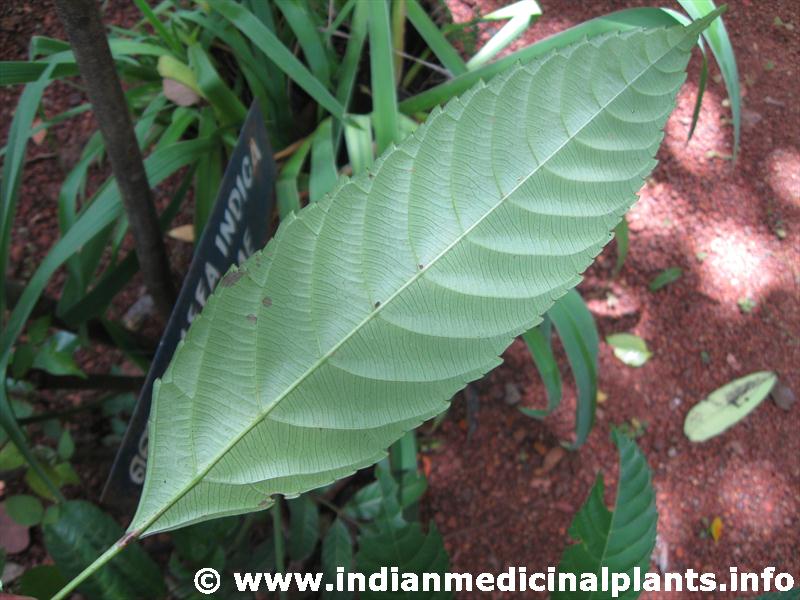
Botanical Name: Leea indica Merrill.
Family: Vitaceae
Introduction:
This plant using for the treatment of vertigo in Folk.
Names in different Indian languages
| English | |
|---|---|
| Hindi | Kurkujihva |
| Kannada | Gadhapatri, andilu |
| Malayalam | Nazhuk, kutanaluku, nakku, maniperanti, erattayani |
| Sanskrit | Chhatri, Karkatajihvaa, Kukurjihvaa |
| Tamil | Nalava, Nyekki, Ottanali |
| Telugu | Ankadora |
| Unani | |
| Folk | Karkani (Maharashtra). |
Synonyms
Chhatri, Karkatajihvaa, Kukurjihvaa.
Classification according to Charaka, Susrutha & Vagbhata
| Charaka | |
|---|---|
| Susrutha | |
| Vagbhata |
Varieties & adulterants – (CV – controversy, AD – adulterants)
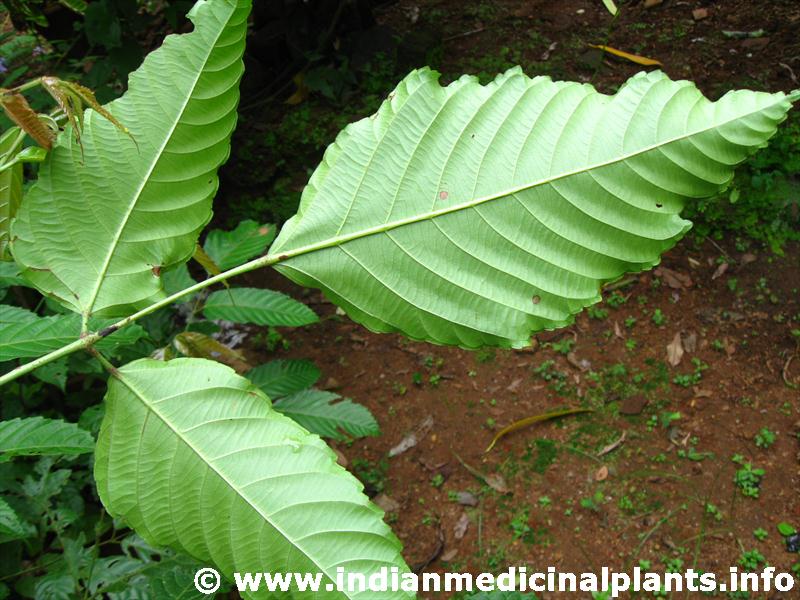
Morphology
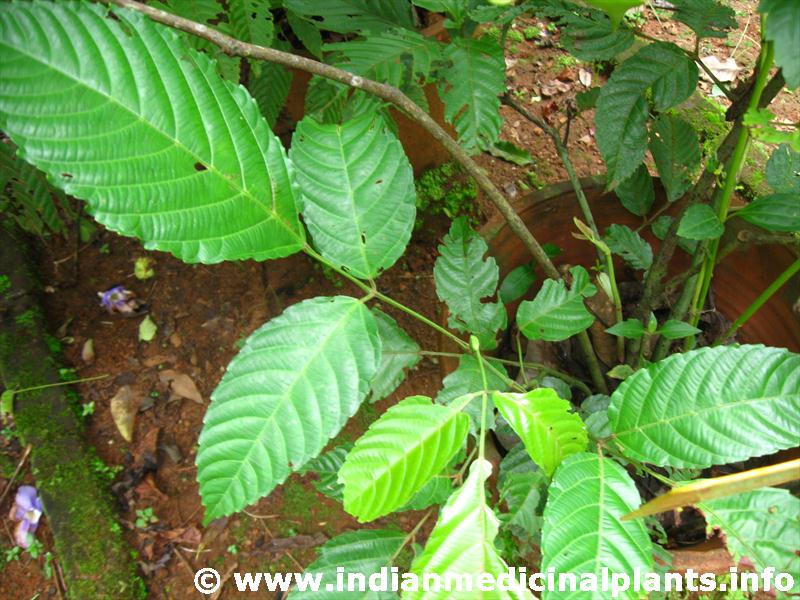
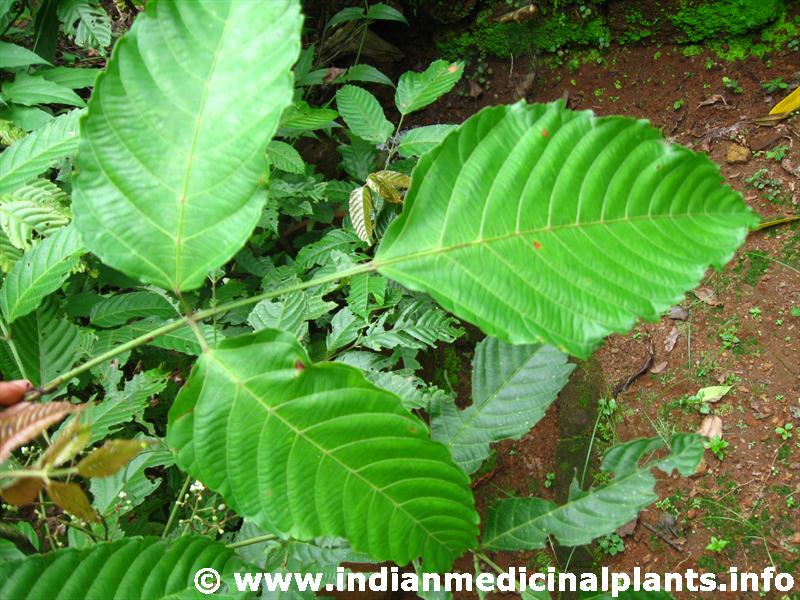
Medium sized shrub, with branches.
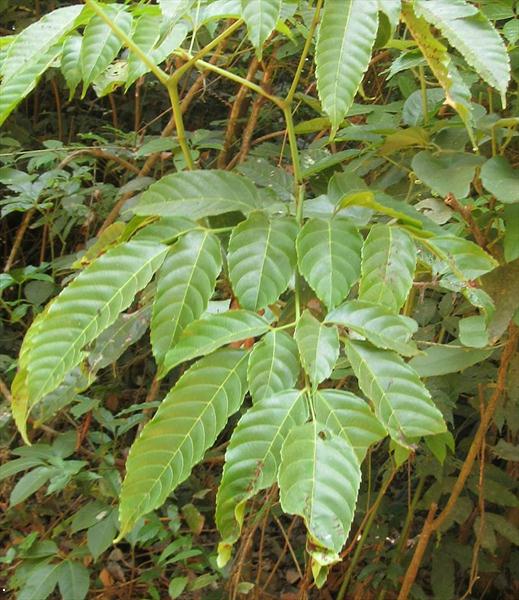
Leaves – compound, leaflets – lanceolate, serrate, stipule present at the base of petiole
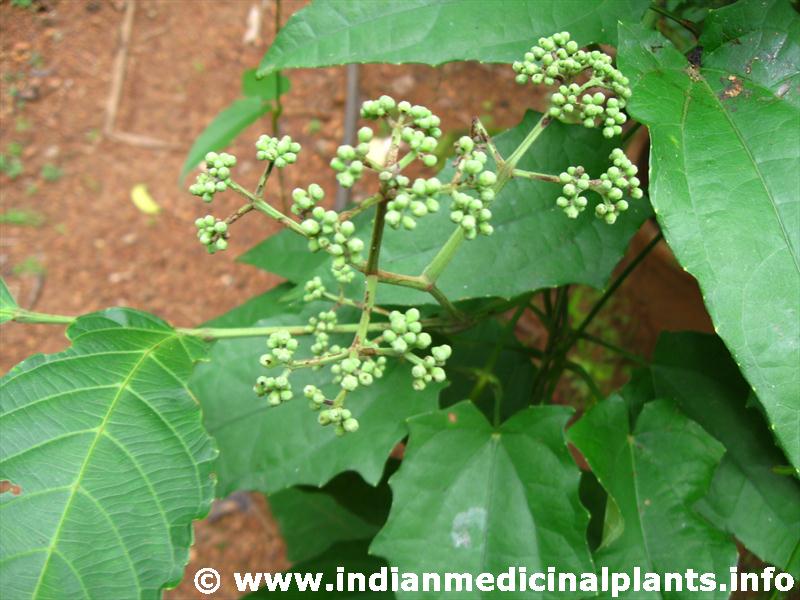
Flower – white, corymbose cymes
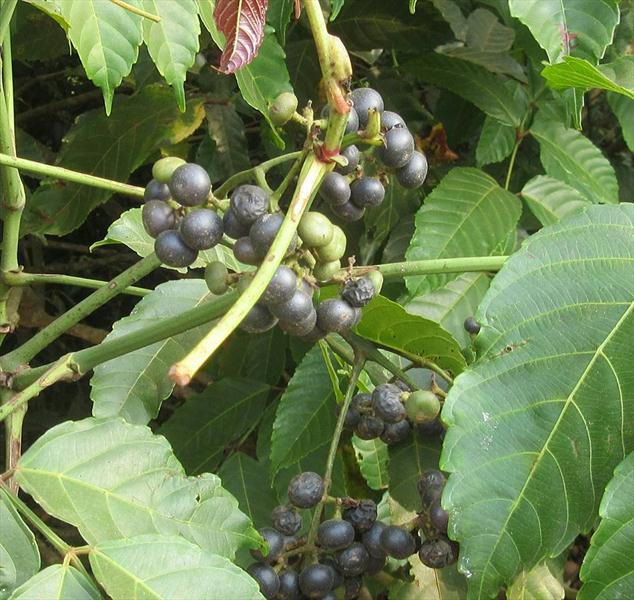
Fruit – berry
Distribution & Habitat
All over India
Chemical constituents:
Karma –
antidiarrhoeal, antidysenteric, antispasmodic, cooling, sudorific, digestive
Indication:
Vertigo, dysentery, colic, ulcer, skin disease , pain and swelling
Part used:
Leaves, root
Dosage:
2-4g
Therapeutic Uses:
- Leaf juice useful in dysentery
- Root powder useful in vertigo
- Leaf paste useful in migraine