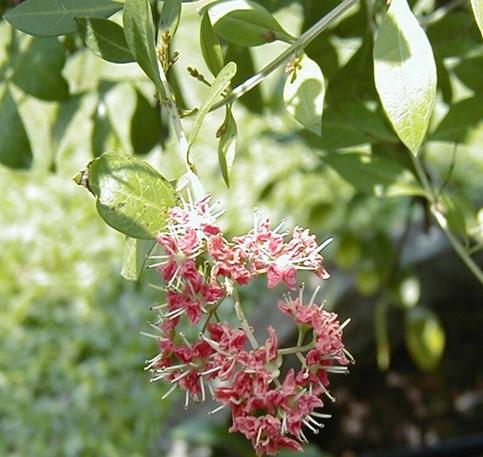
Botanical Name: Lawsonia inermis Linn.
Family: Lythraceae
Introduction:
Latin name: Lawsonia = after Mr. M. A. Lowson. FRS, who assistedin preparation of flora of British India: nermis = smooth stemmed.without spines or alba = white.
Names in different Indian languages
| English | Henna, cypress shrub |
|---|---|
| Hindi | Mehanti, Henna |
| Kannada | Madurangi |
| Malayalam | Mailancgi, mailanci |
| Sanskrit | Madayanti , medhini |
| Tamil | Marithondi,Marudum, mailanchi |
| Telugu | Goranta |
| Unani | Hinaa, Mehndi |
| Folk |
Synonyms
Madayanti, Madayantikaa, Mendika, Ranjaka.
Lawsonia alba Lam.
Classification according to Charaka, Susrutha & Vagbhata
| Charaka | |
|---|---|
| Susrutha | |
| Vagbhata |
Varieties & adulterants – (CV – controversy, AD – adulterants)
Morphology
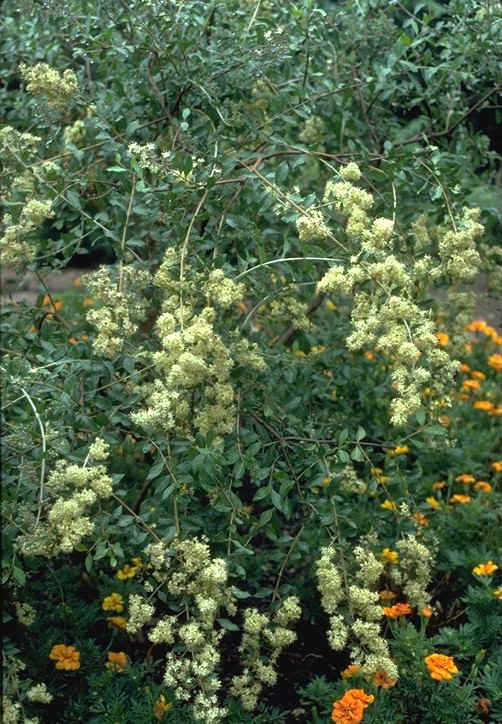
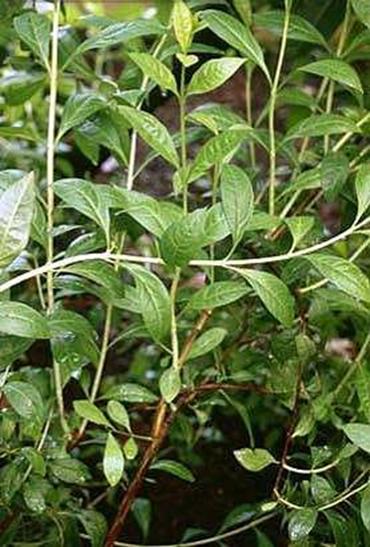
It is a shrub with ‘sweet smelling white flowers.
Leaves – simple, opposite, ovate-lanceolate, give a red colour on crushing.
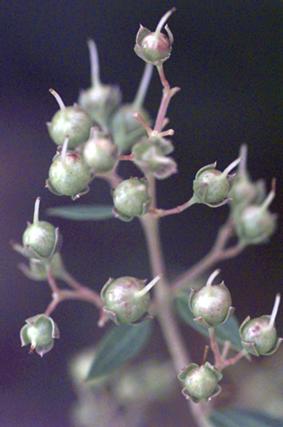
Fruits are of the size of peas, with small seeds inside
Distribution & Habitat
Throughout India
Chemical constituents:
naphthoquinones, lawsone, laxanthone, I, II and III
Properties:
Guna: laghu, ruksha;
Rasa: tikta. kashaya;
Vipaka: katu;
Virya: sheeta;
Karma –
Kushtaghna, bhuta graham vinashana
astringent, antihaemorrhagic, antispasmodic, oxytocic, antifertility, antifungal, antibacterial
Srotogamitva:
Dosha: Kaphaghna. pittaghna (burning sensation).
Dhatu: Rakta (deramatoses. burning sensation, bleeding disorders, jaundice, vertigo. urticaria.wounds), rasa (fever).
Mala: Purisha (diarrhoea). mutra (dysuria). kesha (hair dye).
Immature flowers: Cardiotonic (hot infusion)
Indication:
Raktatisara, kusta,kasa,pandu, jwara, kandu, galaroga, hridroga, mutra krichra
Ulcers, wounds, fever, skin disease, cough,
Part used:
Whole part
Dosage:
Leaf juice 10-15 ml
Powder 2-4 g
Decoction 50-100 ml
Uses: It is an analgesic, reduces oedema, and is astringent. anti-inflammatory and antidermatosis.
It improves complexion and hair growth and reduces burning sensation.
External application of the paste is useful for burning of hands and feet, headache, joint pains, inflammation, ulcer and skin diseases. Decoction is used for gargling in stomatitis and pharyngitis
(as an astringent). A combination of henna and lndigofera tinctoria is used for dying the hair black. Flowers are used as refrigerant and in insomnia.
Seeds – Extract of seeds stimulates the spleen and liver and hence used in dysentery..
The juice of the leaves is given orally in jaundice.
Flowers – Since the flowers are useful in heart conditions, its hot infusion is used in heart diseases.
Leaves – The juice or decoction of the leaves is used in diseases of the blood. The leaf juice is’
Since it is a diuretic, leaf juice + sugar are used in dysuria and pyuria. It reduces burning in the urine and soothes the urinary tract. The decoction of the leaves is used in dermatoses and syphilis. Hot infusion of the flowers is given in fever.
Formulations: Madayantyadi churna