Botanical Name: Kaempferia galanga Linn.
Family: Zingiberaceae
Introduction:
In north Hedychium spicatum using as Shati, but in South Kaempferia galangal is using.
Names in different Indian languages
| English | |
|---|---|
| Hindi | Chandramula |
| Kannada | Kachuri, kacholam |
| Malayalam | Kacholam |
| Sanskrit | Shathi , Kachurah |
| Tamil | Kachoram |
| Telugu | Chandramula |
| Unani | |
| Folk |
Synonyms
Shathi, Shati, Sugandha-vachaa, Chandramuula, Chandramuulikaa., Gandhashathi, Gandhapalaashi, Kapuurkachari, Suvrataa, Gandhaarikaa, Gandhavadhuu, Gandhamuulikaa
Classification according to Charaka, Susrutha & Vagbhata
| Charaka | |
|---|---|
| Susrutha | |
| Vagbhata |
Varieties & adulterants – (CV – controversy, AD – adulterants)
Morphology
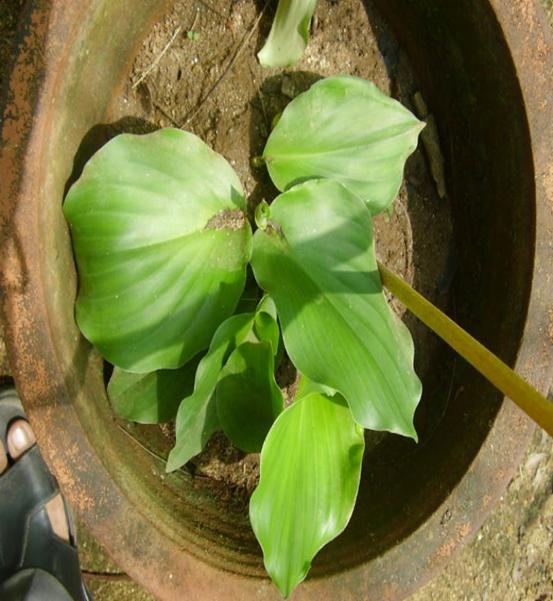
This is a perennial shrub. Tubers are thick, aromatic
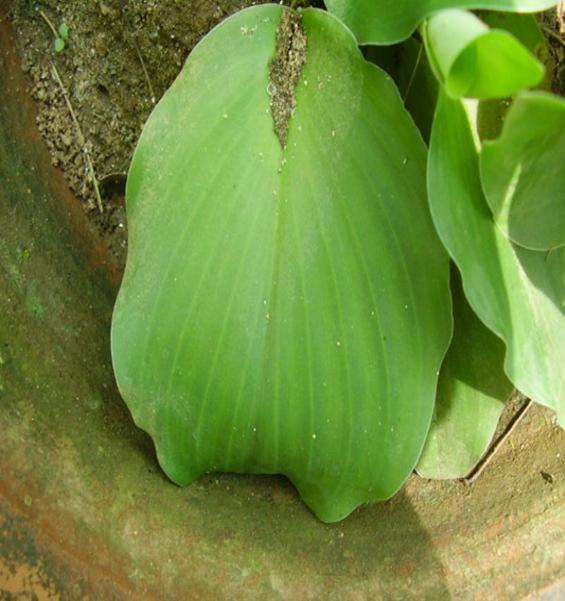
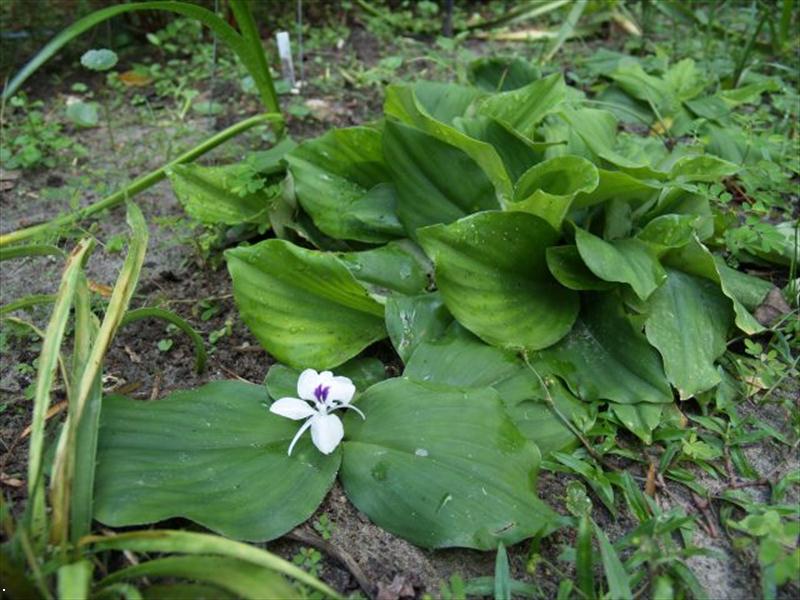
Leaves -. Two or more, 30 cm. long and slightly broader
Flower – axillary spike
Fruit – capsule, oblong
Distribution & Habitat
Throughout India
Chemical constituents:
n-pentadecane, ethyl-p-methoxy cinnamate, ethyl cinnamate, carene, camphene, borneol, p-methoxystyrene, p-methoxy cinnamate, p-methoxy- trans-cinnamic acid , cinnamaldehyde
Properties:
Guna: laghu. tikshna:
Rasa: katu. tikta. kashay:
Vipaka: katu:
Virya :ushna:
Karma –dipana, ruchya, kasa hara
carminative, spasmolytic, hepatoprotective, anti-inflammatory, antiemetic, antidiarrhoeal, analgesic, expectorant, antiasthmatic, emmenagogue, hypoglycaemic, hypotensive, antimicrobial, anthelmintic, insectrepellent
Srotogamitva:
Dosha: Kaphaghna. vataghna.
Dhatu: Rakta (purifier), rasa (febrifuge), meda (ligaments, fumigation in hiccups).
Mala: Purisha (ama digestive, astringent), hair (alopecia).
Organs: Very useful in cleansing the mouth.
Indication:
Kusta, vrana, kasa, galaganda, pliha, gulma
Cough, asthma, dysentery, gout, burning sensation, dyspepsia, cephalgia, worm infection
Part used:
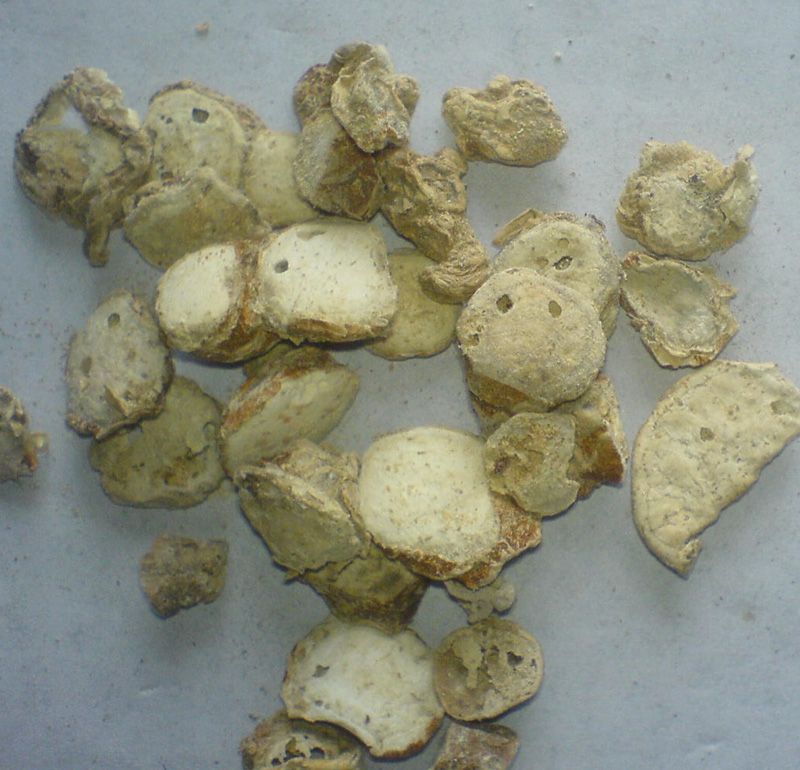
rhizome
Dosage:
Powder 2-4 g
Decoction 50-100 ml
uses:
External use: It is used for application in arthritis and wounds. In dental diseases, ills used for application on the teeth as a tooth powder. Shall mixed with oil is used for fumigation to remove bad odour. Its application is done on alopecia and its nasal administration is done in diseases of the head.
Internal use: Since it is an appetizer, digestive, analgesic and astringent, it is useful in anorexia, vomiting, indigestion. colic pain and diarrhoea. It is also used in cough, cold, asthma, hiccups, skin diseases, diseases of the blood and in pyrexia. Its fumigation is done in hiccups.
Important Yogas or Formations:
Shatyadi churna, Shatyadi kwath, kachuradi churna