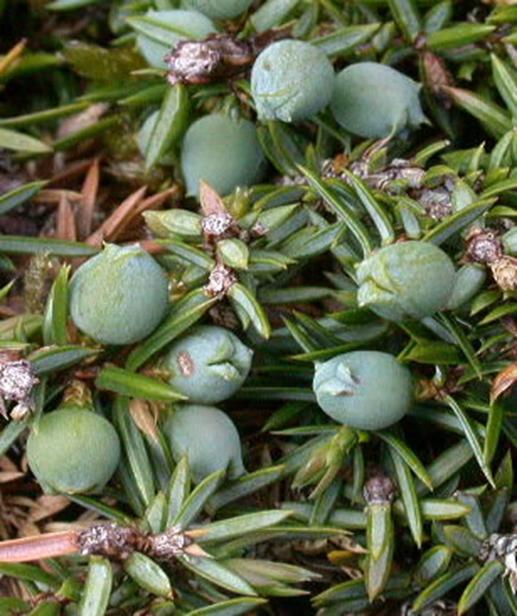
Botanical Name: Juniperus communis Linn. var. saxatillis Palias.
Family: Pinaceae; Cupressaceae
Introduction:
Latin name: Juniperus = rough, Latin name of Junipes (Celtic word Junperus = rough):communis = commonly growing in society or Thivetia nerifolia (leaves like Oleander nerium).
Scientific classification: Junipers constitute the genus Juniperus, of the cypress family Cupressaceae. The Eastern red cedar is classified asJuniperus virginiana, the rocky mountain juniper as Juniperus scopulorum, and the common juniper as Juniperus communis.
Names in different Indian languages
| English | Common Juniper |
|---|---|
| Hindi | |
| Kannada | |
| Malayalam | |
| Sanskrit | Hapushaa |
| Tamil | |
| Telugu | |
| Unani | Abahal, Haauber, Hubb-ularar, Aarar. |
| Folk |
Synonyms
Hapushaa, Havushaa, Haauber, Matsyagandha
Juniperus communis auct. non L.
Classification according to Charaka, Susrutha & Vagbhata
| Charaka | |
|---|---|
| Susrutha | |
| Vagbhata |
Varieties & adulterants – (CV – controversy, AD – adulterants)
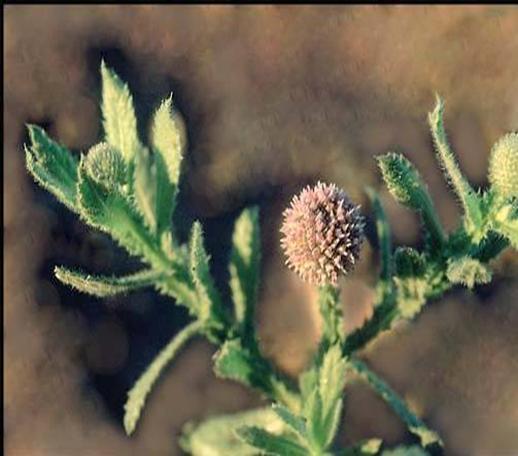
Sphaeranthus indicus – CV
Morphology
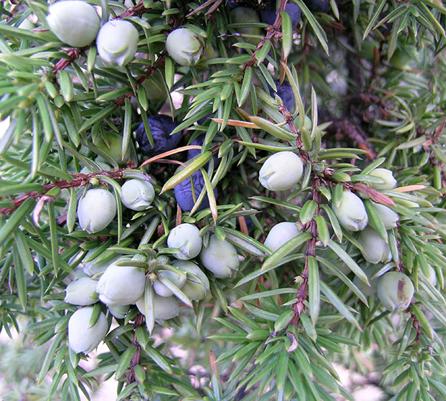
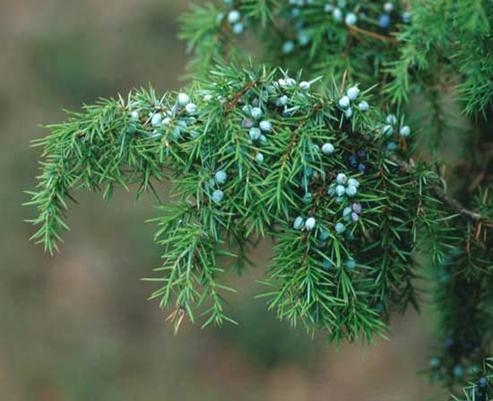
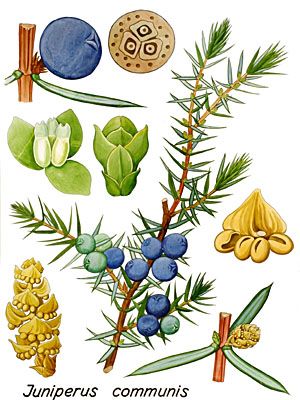
It is a shrub.
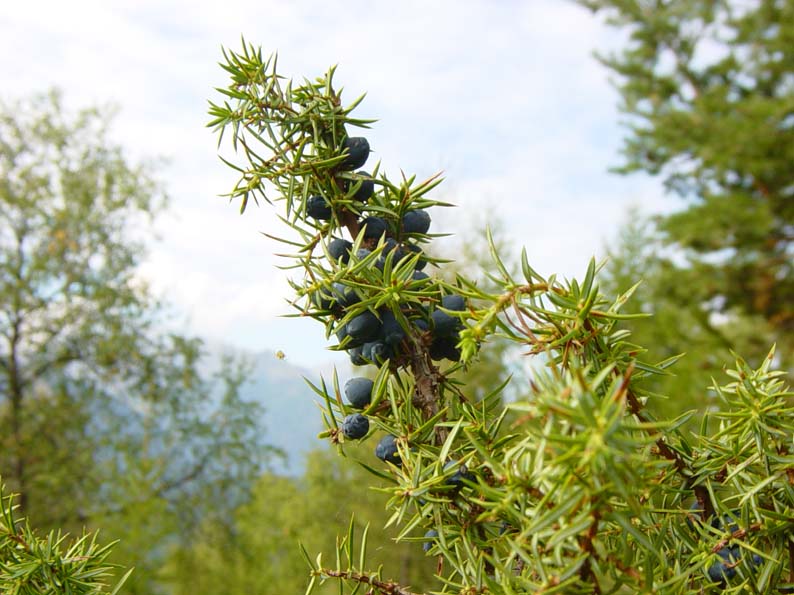
Leaves – needle like
Fruits – berry, blackish, round, small, containing three seeds
Bhavprakash has classified it into two as ashwatthaphala and bruhatphala.
Distribution & Habitat
Western and northern parts of Himalayas. Nepal. Bhutari and Iran. It grows over the height of 4000 mtrs
Chemical constituents:
alpha-pinene, sabinene, alpha-terpinene, diterpenoids,diterpenes,biflavones, cupressuflavone, amentoflavone, hinokiflavone, isocryptomerin , sciadopitysin.
Properties:
Guna: guru, ruksha,tikshna:
Rasa: katu. tikta;
Virya:ushna
Vipaka: katu;
Karma –
diuretic, urinary antiseptic, carminative, digestive, anti-inflammatory, emmenagogue, abortifacient
Srotogamitva:
Dosha: Kaphaghna, vataghna.
Dhatu: Rakta, rasa, marisa, majja, rasa (dysmenorrhoea and amenorrhoea).
Mala: Purisha (laxative, antihelmintic), mutra.
Organ: Respiratory tract (bronchitis and asthma).
Indication:
cystitis, scanty micturition albuminuria, amenorrhoea, leucorrhoea
Part used:
Whole plant
Dosage:
Leaf juice 10-15 ml
Powder 2-4 g
Decoction 50-100 ml
uses:
External uses: It has anti-inflammatory and ulcer healing properties because of which it is used in skin disorders and ulcers. It is applied externally on the penis in loss of libido while the juice is used in deafness.
Internal uses: As it stimulates the nerves, it is used in paralysis and nervous disorders. Since it is an appetizer, carminative, mildly astringent and anthelmintic, it is used in loss of appetite. abdominal pain, piles, dysentery, intestinal worms and ascites. It is useful in bronchitis, asthma, dysmenorrhoea, leucorrhoea and gonorrhoea.