Botanical Name: Zanthoxylum rhetsa DC.
Family: Rutaceae
Introduction:
In folk it is used for asthma.
Names in different Indian languages
| English | Toothache tree |
|---|---|
| Hindi | |
| Kannada | |
| Malayalam | mullilam |
| Sanskrit | |
| Tamil | Tratechai |
| Telugu | Gandhalu |
| Unani | |
| Folk |
Synonyms
Ashvaghra, Tejabala
Zanthoxylum limonella (Dennst.) Alston.
Fagara budrunga Roxb.
Fagara rhetsa Roxb.
Zanthoxylum budrungaWall. ex DC.
Classification according to Charaka, Susrutha & Vagbhata
| Charaka | |
|---|---|
| Susrutha | |
| Vagbhata |
Varieties & adulterants – (CV – controversy, AD – adulterants)
Tejohva- CV
Tumburuh -CV
Morphology
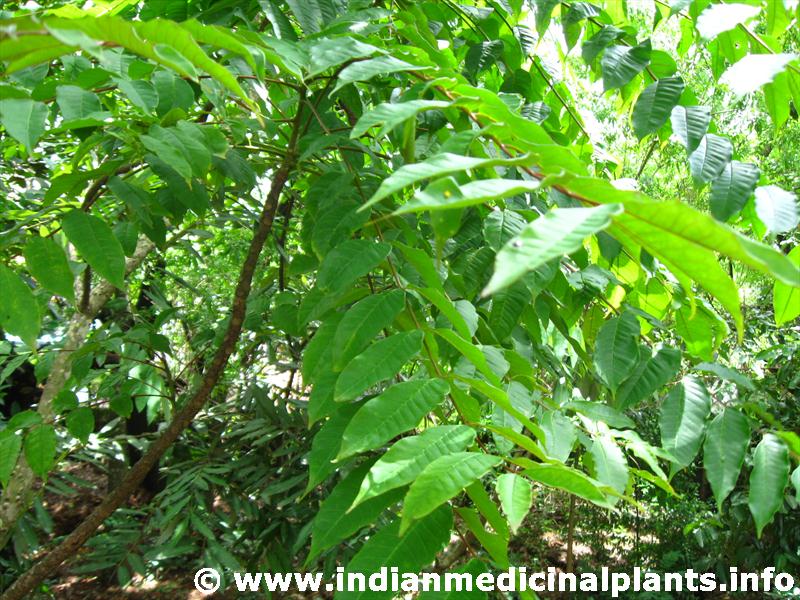
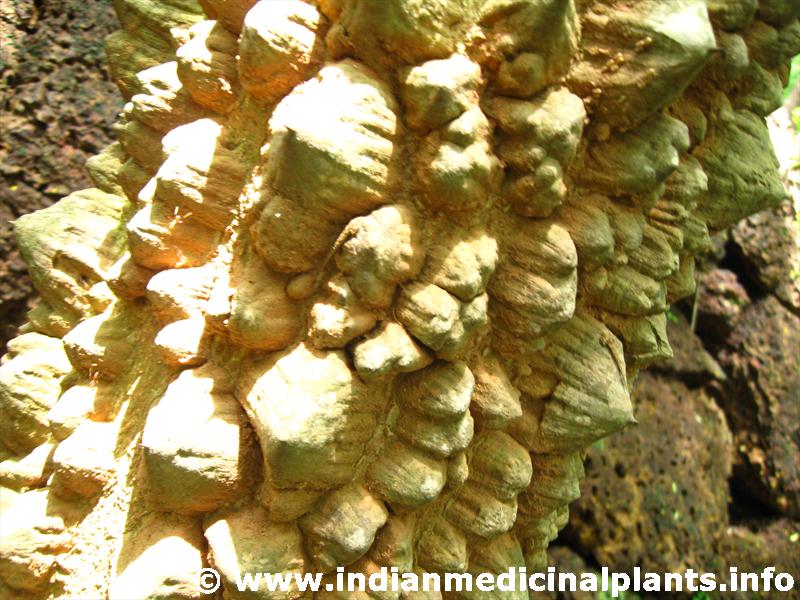
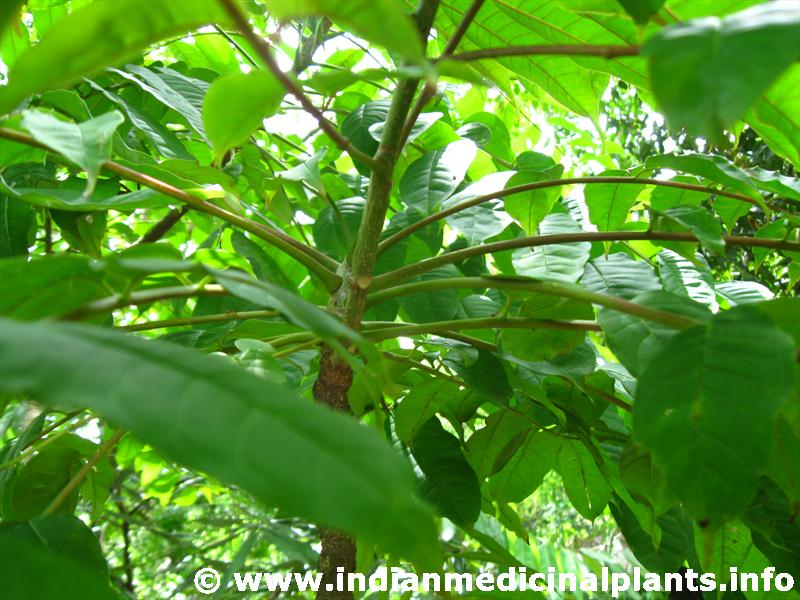
Medium sized tree, grows 4-6 m height
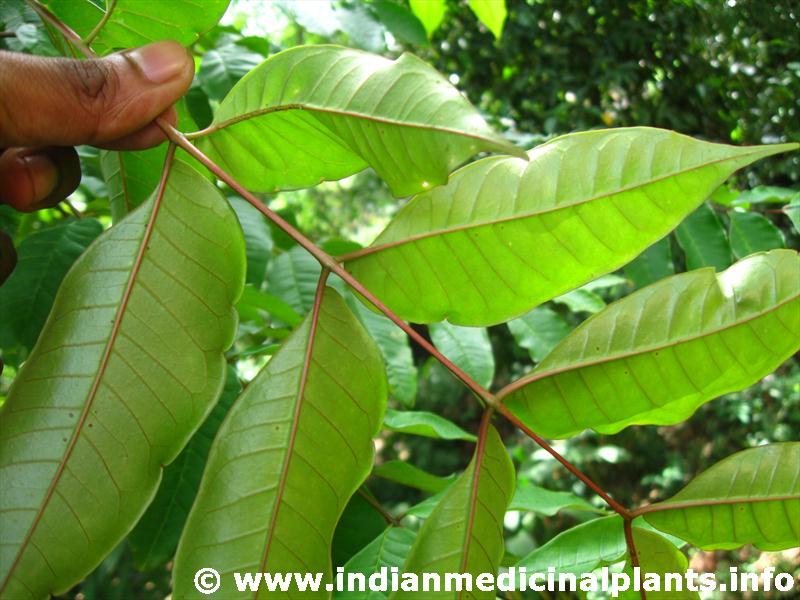
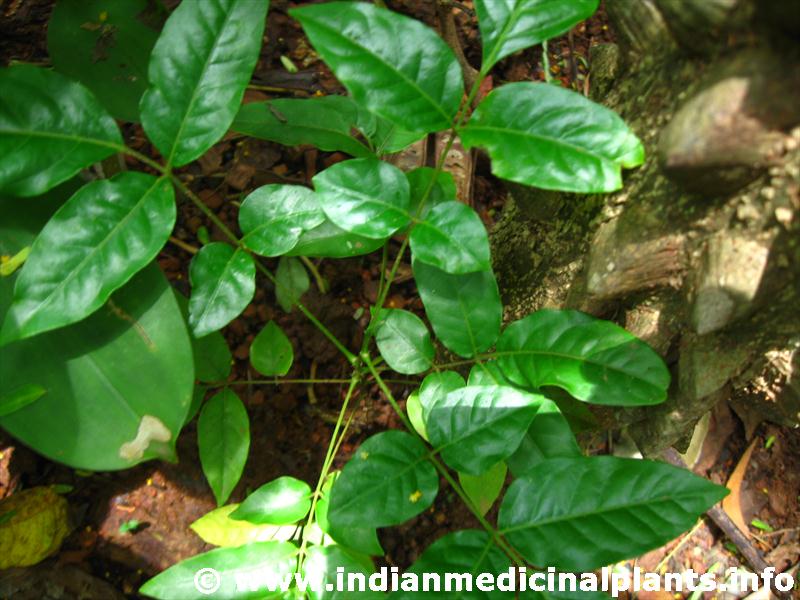
Leaves – compound, imparipinnate, leaflets- lanceolate
Flower –greenish –yellow
Fruit – globose
Distribution & Habitat
Peninsular India, north east India, western Ghats
Chemical constituents:
chelerythrine, evodiamine, hydoxyevodiamine, l-sabinene, alphaterpinene,
beta-phellandrene, 1,4-cineole, decanal, octanal, terpinen-4-ol, dihydrocarveol, l-cryptone and cuminaldehyde.
Properties:
RASA-tikta kadu
GUNA-laghu
VIRYA-ushna
VIPAKA-katu
Karma –kustaghna, rucyam, pachana,deepana
astringent, digestive, stimulant, cholinergic, diuretic, hypoglycaemic, spasmolytic
Srotogamitva:
Dosha : kapha vataghna
Dhatu :raktha
Mala :mutrala
Organ : skin
Indication:
Kusta, meha, swasa, kasa, mutrakrichra
diarrhoea, dyspepsia; asthma, gout,bronchitis, toothache and stomachache
Part used:
Bark, fruits
Dosage:
Leaf juice 10-15 ml
Powder 2-4 g
Decoction 50-100 ml
Therapeutic Uses:
- Decoction useful in ulcers
Descriptions on Ayurveda books / Nighandu:
1
2
3
4
5
6
7
8