Botanical Name: Xylia xylocarpa (Roxb.) Taub.
Family: Mimosaceae
Introduction:
This plant haven’t to much medicinal value. It is sarcasm that some people consider this plant as ‘simsapa ( Dalbergia sissoides)’. In ayurveda nigandu (dictionary) 3 types of simsapa mentioned- syama, sveta, kapila. Usually 3 different species of plants belongs to ‘dalbergia’ considered as 3 varieties. Unfortunately Xylia xylocarpa in kerala have a common name ‘irupul’ in Malayalam, also in ayurvea text books mentions the same synonym, that makes the misunderstanding. Same happened for ‘pushkaramulla-pushkaramoolam’ in kerala.
Names in different Indian languages
| English | |
|---|---|
| Hindi | |
| Kannada | |
| Malayalam | Irool, irumulla,pangal |
| Sanskrit | |
| Tamil | irul |
| Telugu | |
| Unani | |
| Folk | Jambu, Suriaa. |
Synonyms
Xylia dolabriformis Benth.
Classification according to Charaka, Susrutha & Vagbhata
| Charaka | |
|---|---|
| Susrutha | |
| Vagbhata |
Varieties & adulterants – (CV – controversy, AD – adulterants)
Morphology
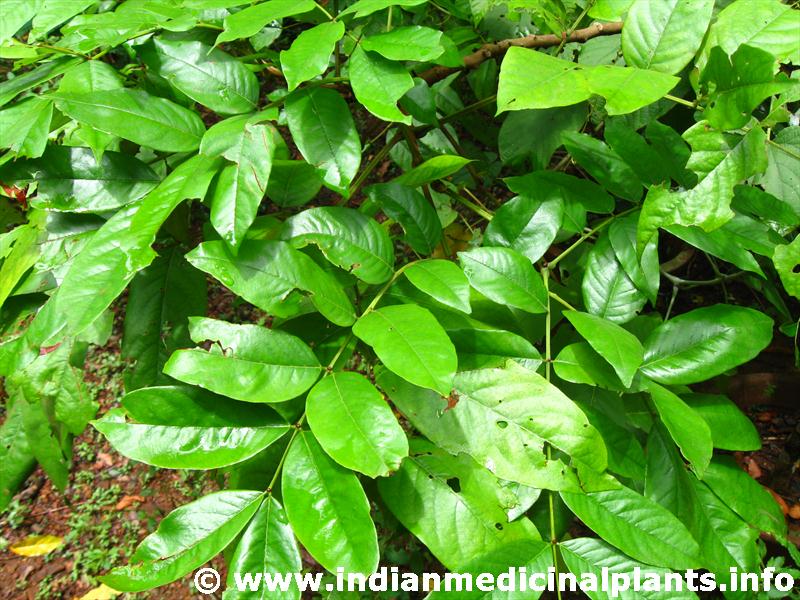
Medium sized tree, grows 8-10 m height
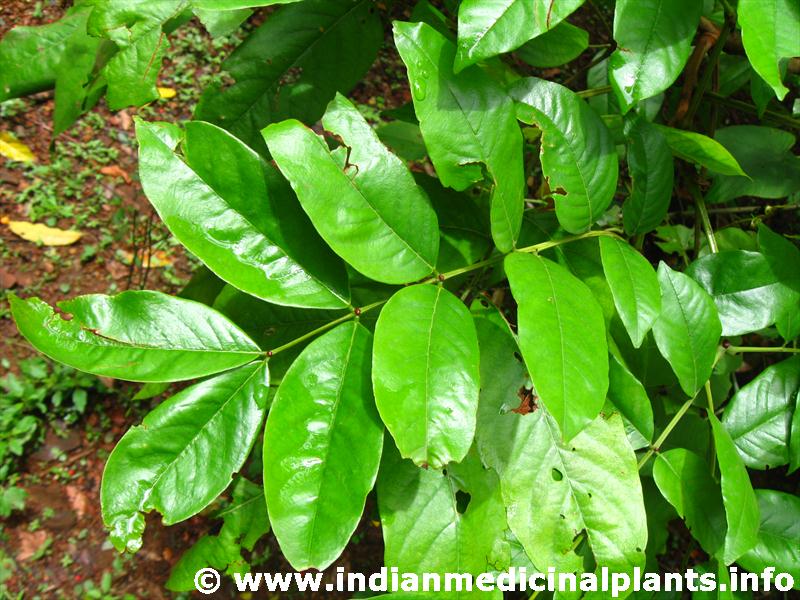
Leaves – compound, leaflets – oblong-elliptic, glabrous
Flower -yellowish
Distribution & Habitat
Deciduous forest in India
Chemical constituents:
beta-sitosterol, hydroxypipecolic acid
Karma –
anthelmintic, antidiarrhoeal
Indication:
ulcers , piles
Part used:
Bark
Dosage:
Powder 2-4 g
Decoction 50-100 ml
Therapeutic Uses:
- Bark powder in honey act as anthelmintic