Botanical Name: Trichodesma indicum R. Br.
Family: Boraginaceae
Introduction:
Latin name Trichodesma –thrix a hair; indicum Indian
Names in different Indian languages
| English | |
|---|---|
| Hindi | Andhahuli, chotta kulpha |
| Kannada | Athomuhi, kattetumbesoppu |
| Malayalam | kizhukkamtumpa |
| Sanskrit | Addhah pushpi |
| Tamil | Kalhudaitumbai |
| Telugu | Guvvagutti |
| Unani | |
| Folk | Andhaahuli |
Synonyms
Adah-pushpi, Adhomukha, Gandhapushpika,Andhaka
Classification according to Charaka, Susrutha & Vagbhata
| Charaka | |
|---|---|
| Susrutha | |
| Vagbhata |
Varieties & adulterants – (CV – controversy, AD – adulterants)
Morphology
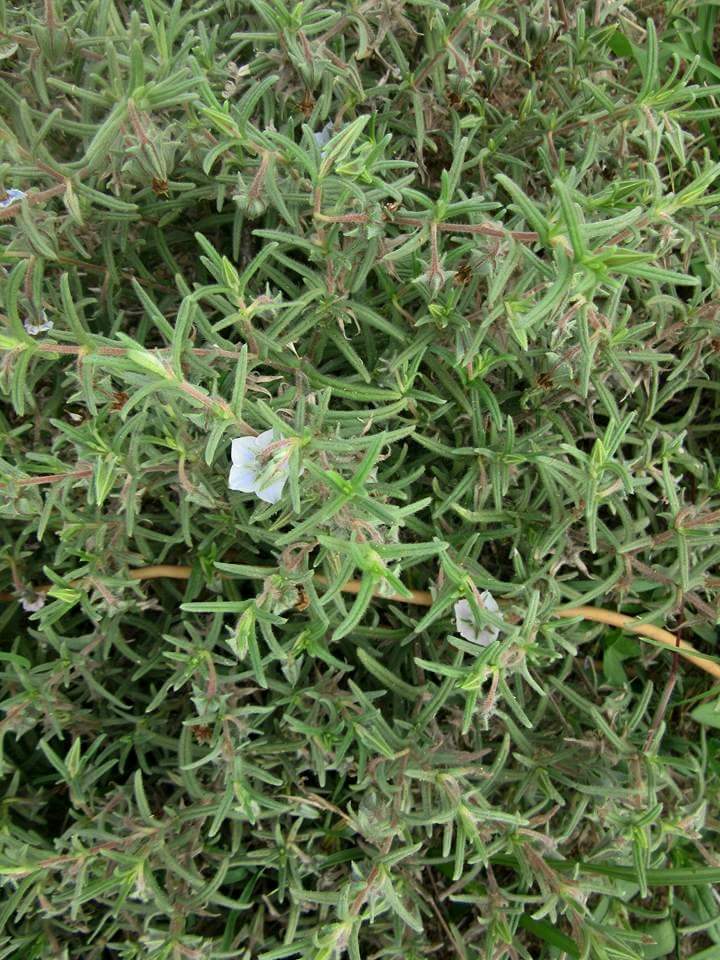
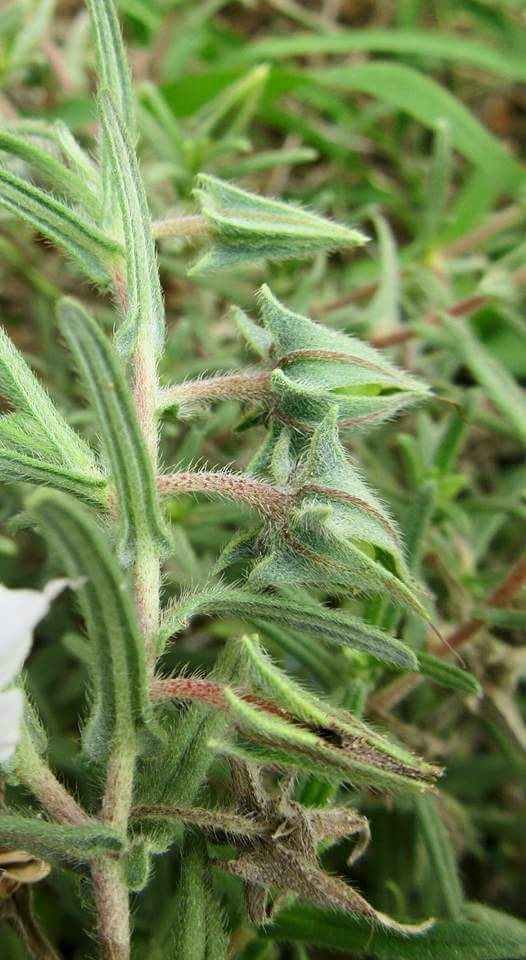
it is a herb 0.5 to 1 feet high and grows in rainy season. Branches reddish green bending downwards and thorny.
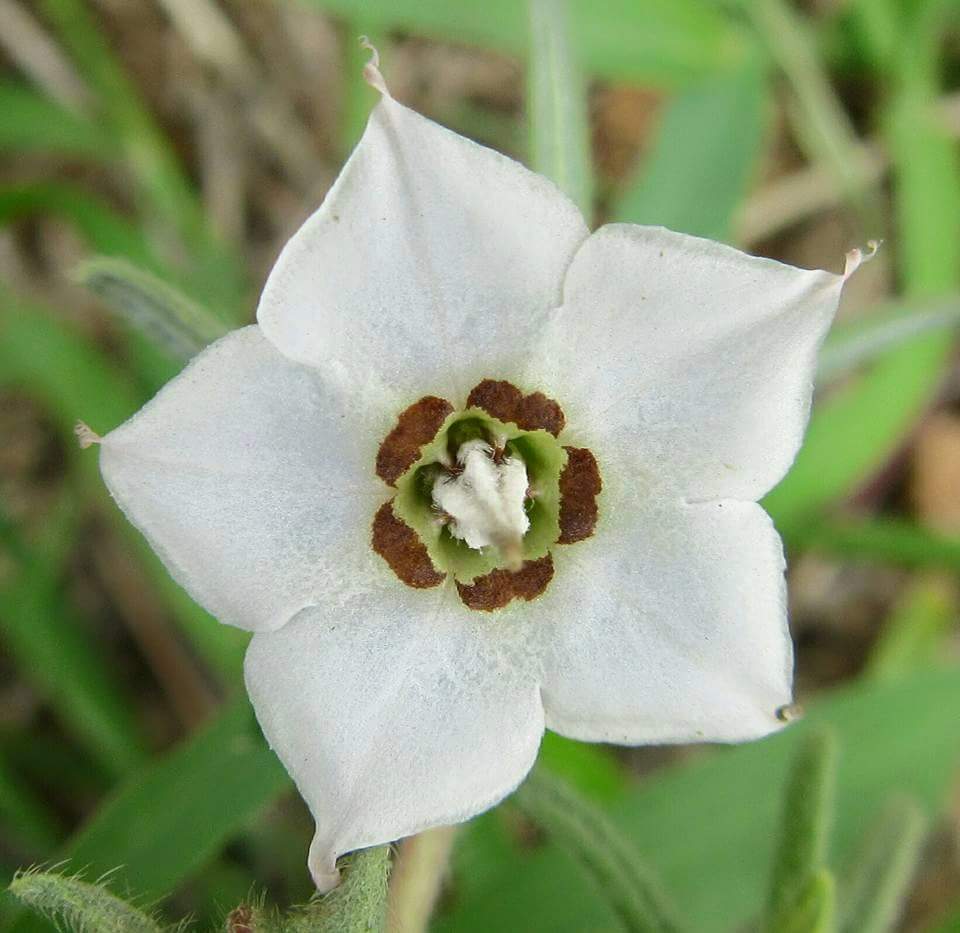
Leaves.- 2 to 5 cms. in length and 2 to 3 cms. in breadth. Stalks of leaves are small, flowers – whitish blue and banging inversely, hence the name addhah pushpi.
Fruit – white and ripe one is purple
Distribution & Habitat
Throughout India
Chemical constituents:
linoleic, linolenic, oleic, palmitic and stearic acids, Hexacosane, ethylhexacosanoate,
Properties:
Guna: laghu, snigdha
Rasa. : katu, tikta;
Veerya : ushna;
Vipaka;katu
Karma –
Kaphavataghni, vranasodhana, dipana, grahi, netreya, pachana
Diuretic, emollient, Febrifuge,depurative, anti-inflammatory, astringent, antidysenteric
Srotogamitva:
Dosha: Kapha, valaghna.
Dhatu Rakta rasa (dysmenorrhrea) mansa (anti-inflammatory) meda
Mala Mutra (dysuria)
Indication:
Kusta, rakta dosha, vrana, ajirna, sopha, mutrakrichra
edema, fever, skin disease, cough, piles, leucorrhoea, dysentery,gout, burning sensation
Part used:
Whole plant
Dosage:
Leaf juice 10-15 ml
Powder 2-4 g
Decoction 50-100 ml
uses:
External uses: Reduces inflammation and pain by external application. Local application of the paste of whole plant is effective in osteoarthritis, inflammation and. conjunctivitis. Its ash is used for cleaning the wounds and also useful in scabies.
Internal uses: Being an appetizer and digestive it is useful in agnimandya. It is also used in amoebic dysentery, blood disorders, dysuria, dysmenorrhoea and foetal anomalies