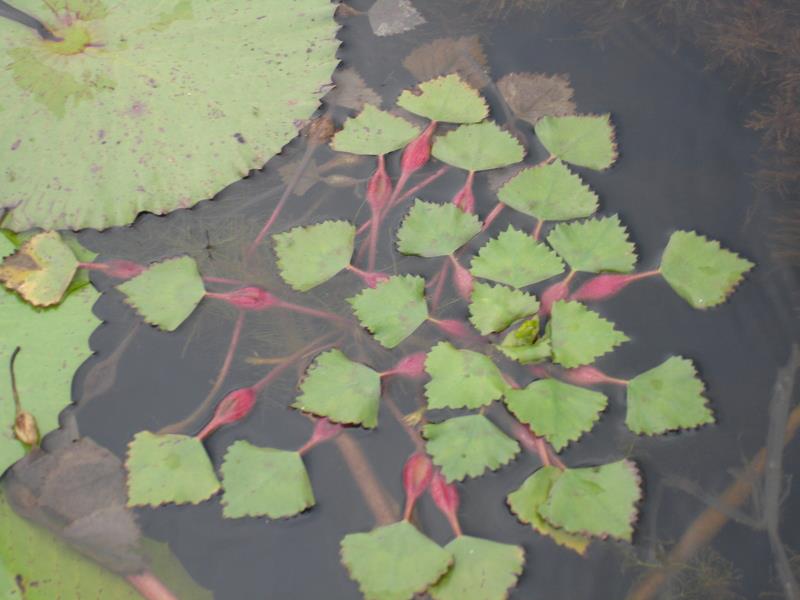
Botanical Name: Trapa bispinosa Roxb.
Family: Trapaceae
Introduction:
Latin name: Trapa = an ancient weapon – Kalkitrapa — with four spikes; bispinosa = having two spines.
English name: Indian waterchestnut. water caltrap.
Scientific classification: Water chestnuts make up the genus Trapa of the family Trapaceae. The water chestnut that bears the ling nut is classified as Trapa bicornis, the species that bears the singhara nut asTrapa bispinosa, and the trapa nut as Trapa natans. The Chinese sedge belongs to the family Cyperaceae and is classified as Eleocharis tuberosa.
Names in different Indian languages
| English | Water Chestnut, caltrops, singhara nut |
|---|---|
| Hindi | simghara |
| Kannada | singhara |
| Malayalam | Karimpolam, vankottakkkaya |
| Sanskrit | Shrngaataka |
| Tamil | Singara |
| Telugu | Kubjakamu |
| Unani | Singhaaraa |
| Folk |
Synonyms
Shrngaataka, Shrngaata, Shrngamuula, Trikota, Jalaphala, Trikonaphala, Paaniyaphala, Jalkanda, Trikona, Trika
Trapa natans Linn. var. bispinosa (Roxb.) Makino.
Trapa quadrispinosa Wall
Classification according to Charaka, Susrutha & Vagbhata
| Charaka | |
|---|---|
| Susrutha | |
| Vagbhata |
Varieties & adulterants – (CV – controversy, AD – adulterants)
Another variety with four spines (Trapa incisa) is also found
Morphology
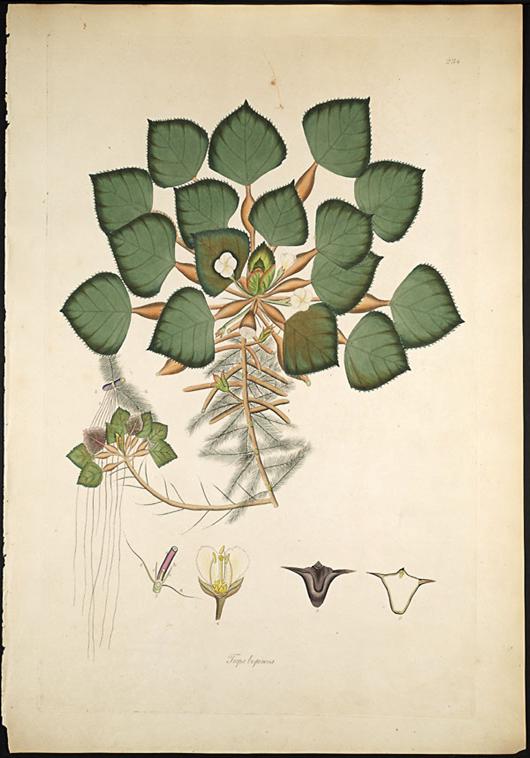
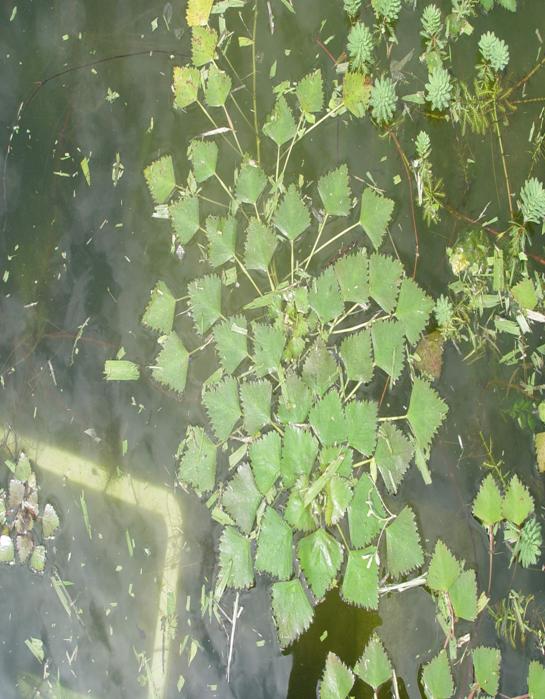
This creeper grows in water.
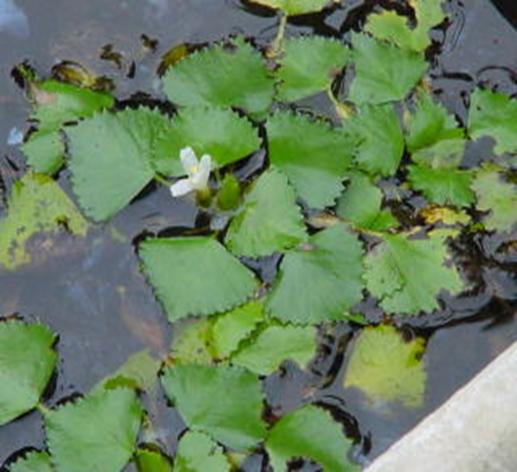
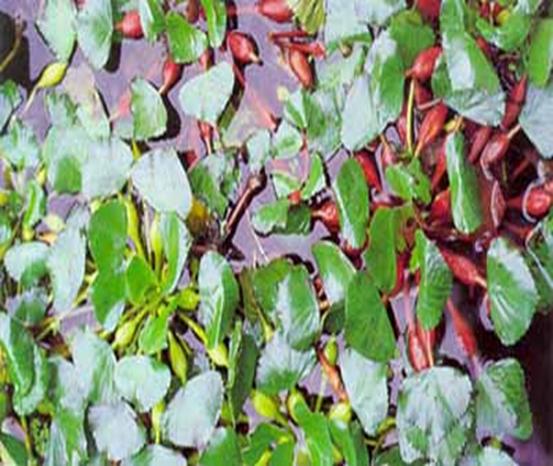
Leaves – round with red veins, serrated border, 6 – 9 cms. broad. Stalk of leaves – 12 -18 cms. long and brownish,
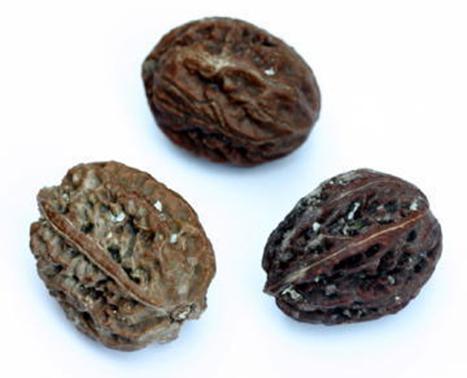
Fruit – triangular, with spines at two ends, greenish from outside with white pulp. Flowering occurs in rainy season and fruiting in autumn.
Distribution & Habitat
Throughout India
Chemical constituents:
Rich in proteins and minerals
Properties:
Guna: guru, ruksha;
Rasa: madhur, kashaya
Virya: sheeta;
Vipaka: madhur
Karma –
Grahi, vrishyam, vistambi, jeevana
carminative, digestive,astingent,cooling,diuretic
Srotogamitva:
Dosha: .Tridoshashamak, pittashamak, kaphaghna.
Dhatu: Rakta. shukra (aphrodisiac).
Mala: Mutra (diuretic), purisha (astringent).
Organ: Uterus.
Indication:
Rakta dosha, sopha, meha
Bleeding disorders, threatened abortion, dysuria, polyuria , oedema
Part used:
Whole plant
Dosage:
Leaf juice 10-15 ml
Powder 2-4 g
Decoction 50-100 ml
Uses: External application has a soothing effect, It improves taste and acts as an astringent, aphrodisiac, diuretic and a rejuvenating agent. It is used in thirst, anroexia, diarrhoea, dysentery, haemetemesis. loss of libido, abortion and dysuria.
Descriptions on Ayurveda books / Nighandu: