Botanical Name: Tiliacora acuminate (Lam.) HK. f.&Thoms.
Family: Menispermaceae
Introduction:
In folk it is used for snake poison. Recent studies shows that its chemical cause injury to liver and spleen and kidney.
Names in different Indian languages
| English | |
|---|---|
| Hindi | Tiliyaa-koraa |
| Kannada | |
| Malayalam | Valli kanjiram |
| Sanskrit | |
| Tamil | Perunkattukodi , Kodaparuavalli |
| Telugu | |
| Unani | |
| Folk | Tiliyaa-koraa |
Synonyms
Tiliacora racemosa Colebr
Classification according to Charaka, Susrutha & Vagbhata
| Charaka | |
|---|---|
| Susrutha | |
| Vagbhata |
Varieties & adulterants – (CV – controversy, AD – adulterants)
Morphology
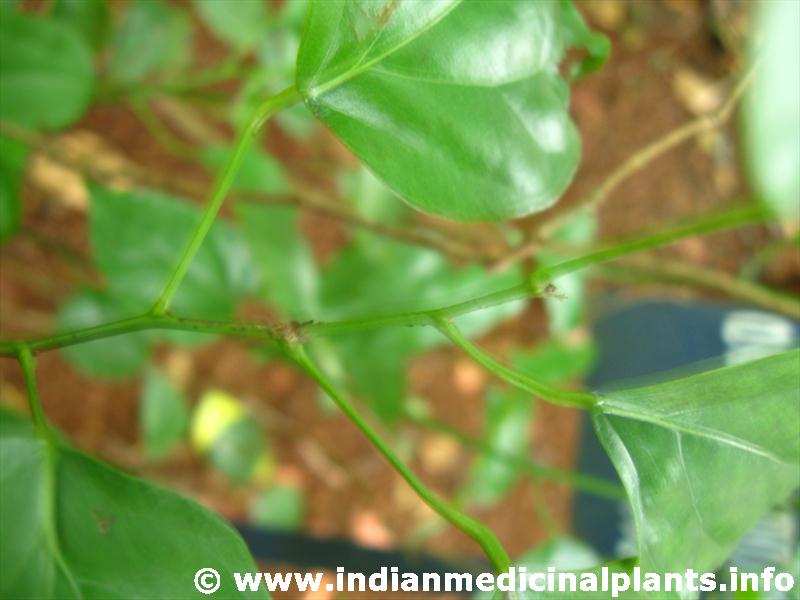
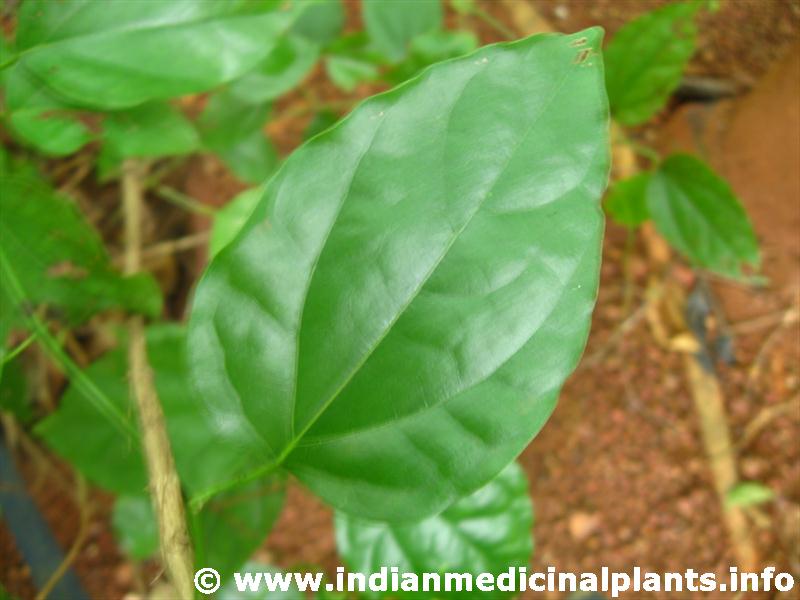
Creeping shrub
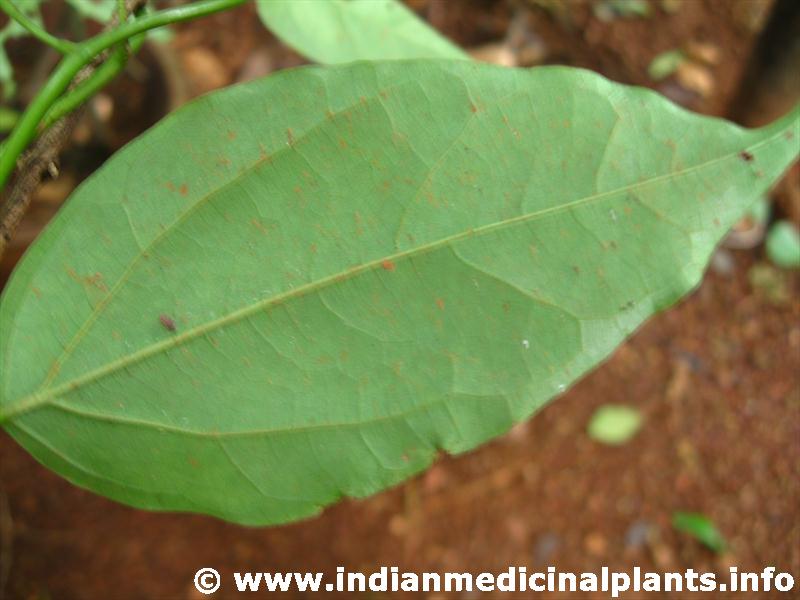
Leaves – simple, alternate, obovate, glabrous
Flower – yellow
Fruit – berry
Distribution & Habitat
Forest
Chemical constituents:
bis-benzylisoquinoline, tiliacorine, tiliarine, tiliacorinine, nor-tiliacorinines A and B, corine, tiliacine and mohinine
Karma –
CVS and CNS activation, spasmolytic, hypothermic
Indication:
Skin disease, snake poison
Part used:
Root , leaves
Dosage:
Leaf juice 10-15 ml
Powder 2-4 g
Decoction 50-100 ml
Therapeutic Uses:
- Leaf paste with haridra useful in skin disease