Botanical Name: Tamarindus indica Linn.
Family: Caesalpiniaceae
Introduction:
Latin name Tamarindus = the distorted form of the Arabic nametamarindus – hind meaning ‘ripe date of India’; indica Indian
Scientific classification: The tamarind belongs to the subfamily Caesalpinioideae, family Fabaceae (formerly Leguminoseae). It is classified as Tamarindus indica.
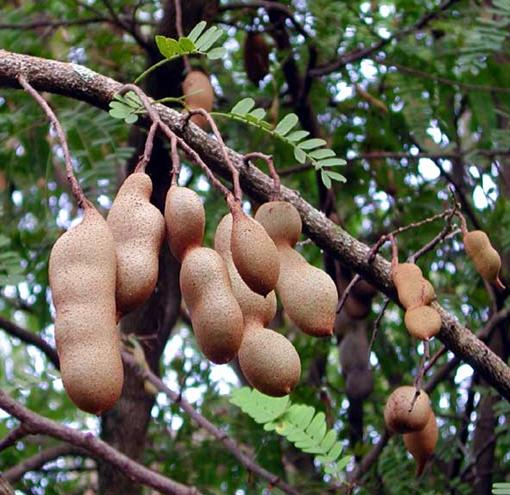
Names in different Indian languages
| English | Tamarind tree |
|---|---|
| Hindi | Amli, imli |
| Kannada | Huli, amli |
| Malayalam | Puli, kolpuli, valanpuli |
| Sanskrit | Amlikaa, chincha |
| Tamil | Puli, amilam |
| Telugu | Cintapandu, amlaki, cintacettu |
| Unani | Tamar |
| Folk |
Synonyms
Amli, Amlikaa, Suktaa, Chukraa, Chukrikaa, Chinchaa, Chandikaa, Tintidika
Tamarindus occidentalis Gaertn.
Tamarindus officinalis HK.
Classification according to Charaka, Susrutha & Vagbhata
| Charaka | |
|---|---|
| Susrutha | |
| Vagbhata |
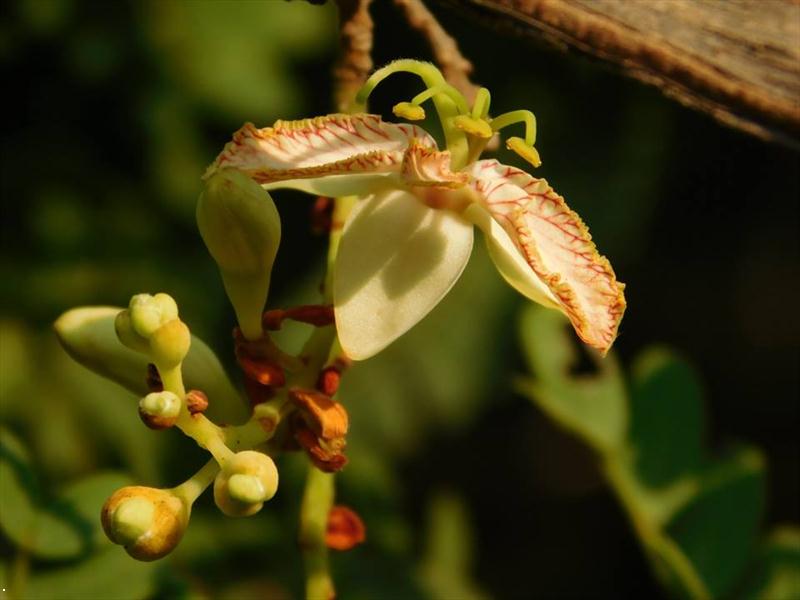
Varieties & adulterants – (CV – controversy, AD – adulterants)
Morphology
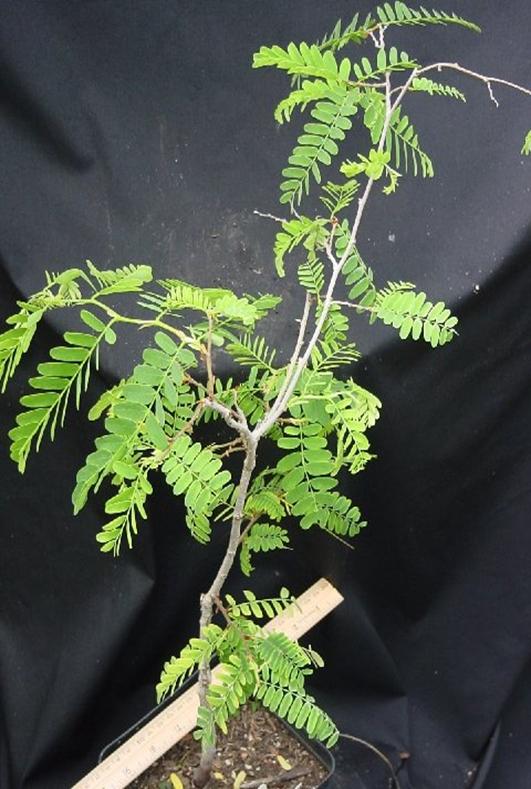
It is a fast growing tall tree and is known by these names — chincha, tintini, mali, ambalt. chinch, tamarind.
Leaves — compound, teaflet 20 to 40. round in shapa Flowers – in bunches, yellow in colour and boat shaped. Legume— 7 to 12 cm. longSeeds — are called as chinchoke in Marathi.
Distribution & Habitat
Throughout India
Chemical constituents:
Tartaric. citric. malic, acetic, potassium tartarate. etc. In the seed there is 65% carbohydrates. orientin, vitexin, iso-orientin and iso-vitexin, tamarindienal
Properties:
Guna guru. ruksha:
Rasa amla;
Veerya : ushna:
Vipaka: amla
Karma –
Grahi, deepana, ruchyam, hridyam, sulaghnam kaphaghni
Laxative, carminative, digestive,astingent,cooling,diuretic, antimicrobial, antifungal, anthelmintic, antiviral, antipyretic, anti-inflammatory
Srotogamitva:
Dosha : ripe fruit — pitta nashak.
Dhatu : Liver.
Mala Mutra ( retention of urine).
Organs Heart.
Indication:
Pandu, vataroga, vrana, sopha, ajirna
Anaemia, ulcers, wounds, fever, skin disease, cough, piles
Part used:
Whole plant
Dosage:
Leaf juice 10-15 ml
Powder 2-4 g
Decoction 50-100 ml
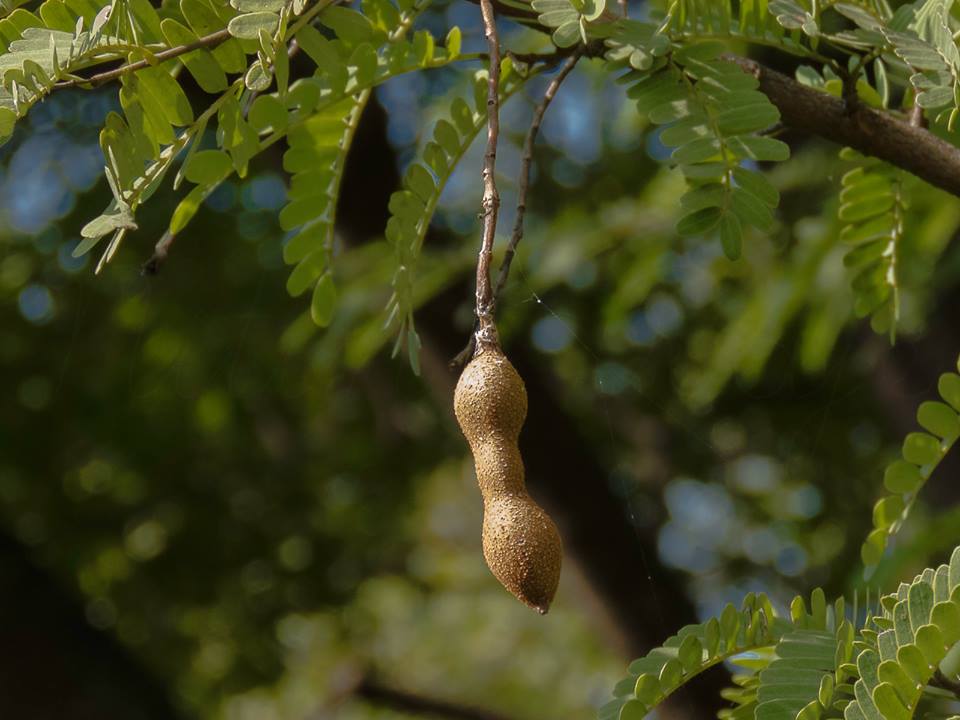
Uses : Tamarind and its seeds are applied externally on inflammation. Fruit is very good in taste and is used in anorexia, polydipsia, indigestion and liver disorders- In heart diseases, sherbet is given. Kshara is used in retention of urine and abdominal pain . Pulp and sherbet reduce the complication in fever. In cholera, tablets of traits of tamarind and Semecarpus anacardium + salt are very useful