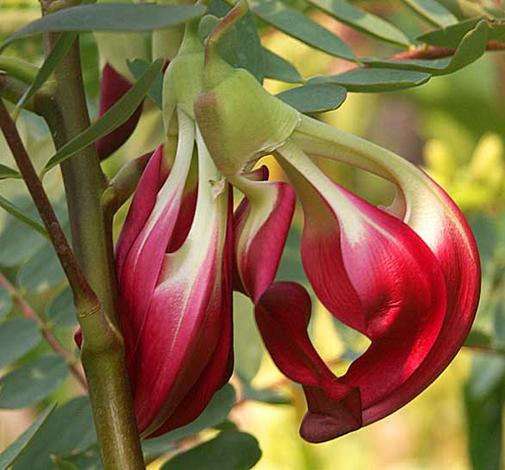
Botanical Name: Sesbania grandiflora (L.) Poir.
Family: Papilionaceae; Fabaceae
Introduction:
Papilionaceae (like butterfly).
Latin name Sesbenia name of a botanist grandiflora (grandi = big, flora= flower).
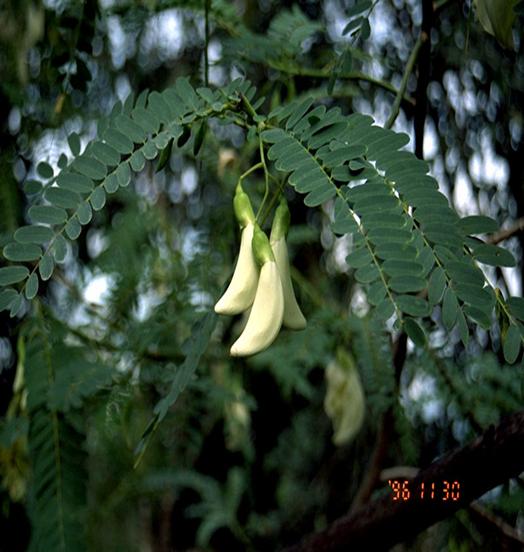
Names in different Indian languages
| English | Agati Sesban, Swamp Pea |
|---|---|
| Hindi | Agasti, hathya, hadga |
| Kannada | Agasi |
| Malayalam | Agasti, akatti, akatti chira |
| Sanskrit | Agastyah |
| Tamil | Agatti, attikkirai |
| Telugu | Avesi, avasinara |
| Unani | |
| Folk |
Synonyms
Agastya, Agasti, Munidrum, Munitaru, Muni, Vangasena, Vakrapushpa, Kumbha
Agati grandiflora Desv
Classification according to Charaka, Susrutha & Vagbhata
| Charaka | |
|---|---|
| Susrutha | |
| Vagbhata |
Varieties & adulterants – (CV – controversy, AD – adulterants)
There are 4 types 1) white 2) yellow 3) blue and 4) red.
The white variety is most effective in night blindness and chronic
rhinitis. Agasti is very useful in Vitamin A deficiency diseases.
Morphology
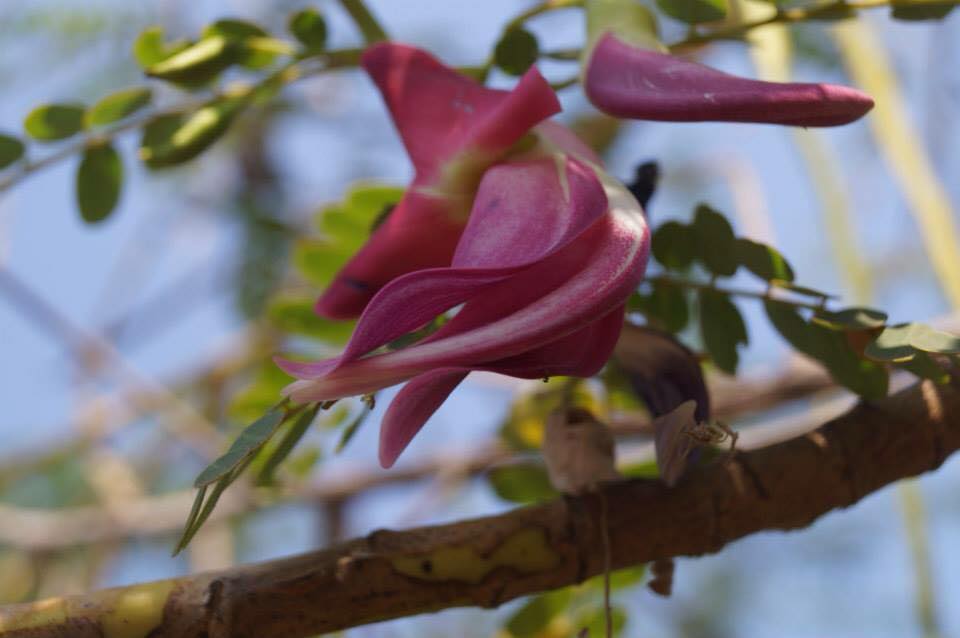
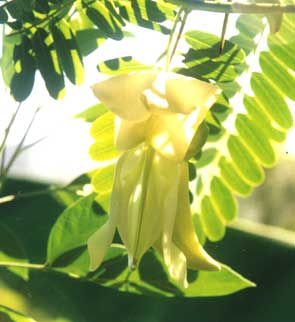
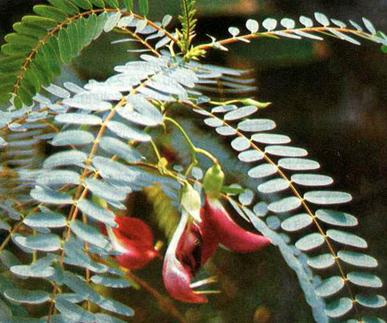
Early growing free 8 to-l0 mtrs high. Branches are wide spread. Leaves – have 41 to 61 leaflets.
Flowers – white, boat shaped, long, flower in August. Legume -30 cm.in length, oval in shape, having 4 angles. In India flowers and legumes are used as vegetables and for making pickles:
Distribution & Habitat
Throughout India
Chemical constituents:
methyl ester, oleanolic acid, nonacosan-3-one and kaempferol, rutinoside, galactomannan, saponin
Properties:
Guna : laghu, ruksha;
Rasa : tikta;
Vipaka : madhur;
Veerya sita ;
Karma –
Vishaghna, raktapittahara, krimighnam, kaphaghnam, kandughnam
astringent, antihistaminic, febrifuge.
Srotogamitva:
Dosha : Kaphaghna, pittaghna, vatavardhak.
Dhatu : Majja (medhya). asthi – majja (chaturthik jwar).
Mala : Purisha leaves; flowers vegetables — reduces constipation).
Organs : Uterus — leucorrhoea, respiratory system.
Indication:
Sopha, gulma, kusta, krimi, agirna, grandhi
fevers, catarrh, cough, consumption
Part used:
Whole plant
Dosage:
Leaf juice 10-15 ml
Powder 2-4 g
Decoction 50-100 ml
uses:
External uses : Bark and leaves are useful in inflammation andwounds.
Internal uses : Juice of leaves is useful in ‘Virechan nasya. flowers are useful in ophthalmic disorders. Agastee is a brain tonic and antitoxic.
Digestive system : Vegetable of flowers and leaves is useful inconstipation. The juice of the bark is used in chronic intestinal disorders with honey. Juice of flowers is used in purification of silver. It is also used in loose motions.
Respiratory system : Pleurisies, cough, cold. In kapha , sannipatik jvara, nasal administration of leaf Juice is done.
Reproductive system : Useful in leucorrhoea.