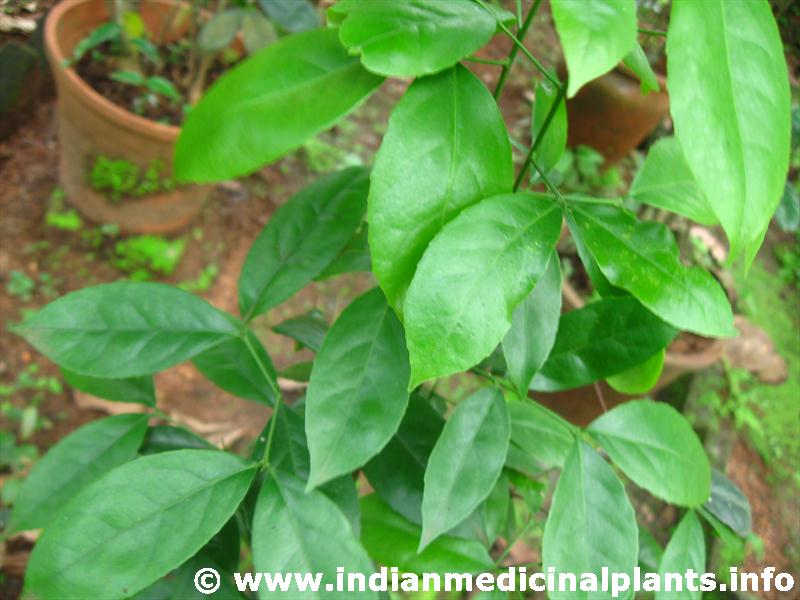
Botanical Name: Salacia chinensis Linn.
Family: Hippocrateaceae; Celastraceae
Introduction:
Its properties are similar to Salacia reticulate Wight
Names in different Indian languages
| English | Saptrangi |
|---|---|
| Hindi | Ingali |
| Kannada | |
| Malayalam | Cherukuranti |
| Sanskrit | Saptachakraa (variety ) |
| Tamil | |
| Telugu | |
| Unani | |
| Folk | Ingali (Maharashtra), Modhuphal (Bengal), |
Synonyms
Saptachakraa, Swarnmuula, Saptarangi.
Salacia prinoides DC.
Classification according to Charaka, Susrutha & Vagbhata
| Charaka | |
|---|---|
| Susrutha | |
| Vagbhata |
Varieties & adulterants – (CV – controversy, AD – adulterants)
Morphology
It is shrub, grows 1-2 m height,
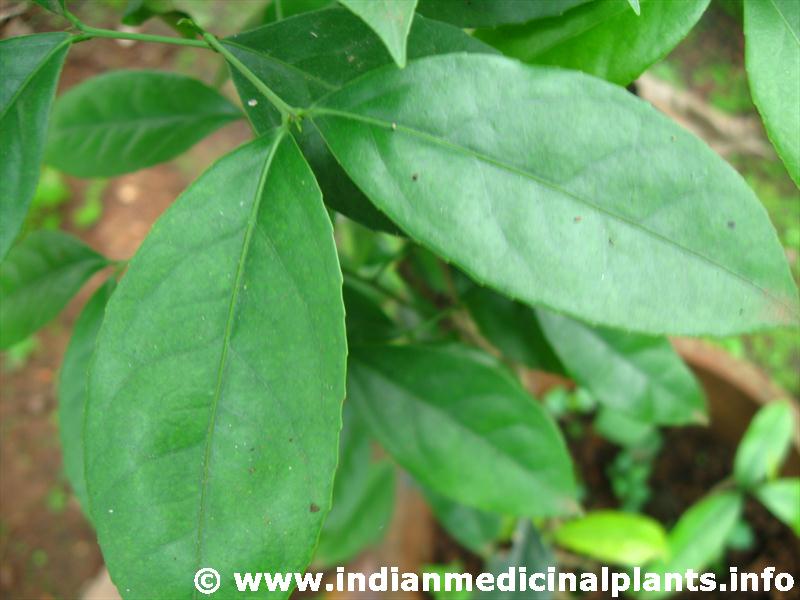
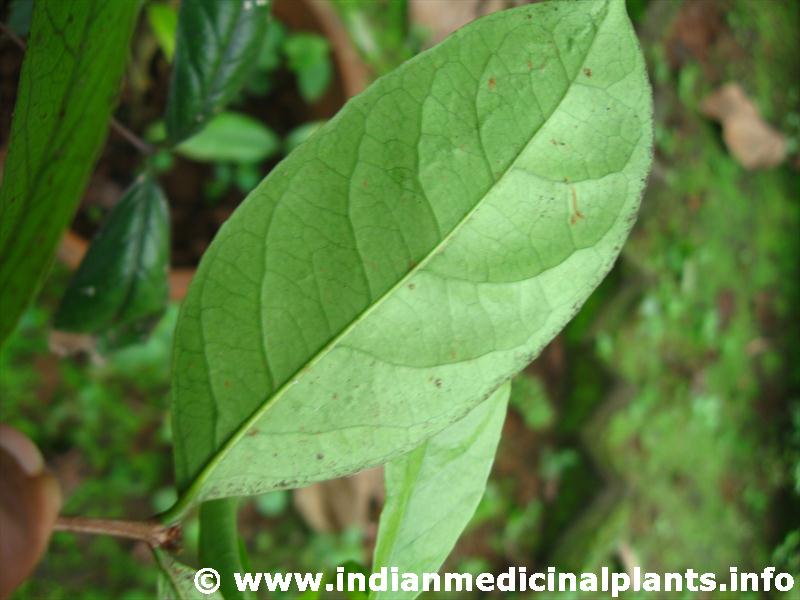
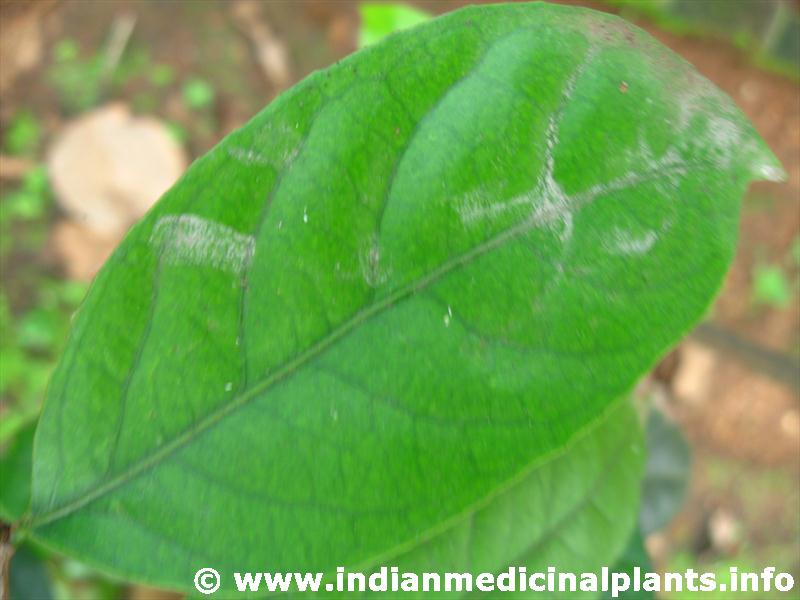
Leaves – simple, opposite, serrate, oblong
Flower – yellowish
Fruit – large, orange coloured.
Distribution & Habitat
All over India , mainly forests
Chemical constituents:
proanthocyanidins, monomeric ,leucopelargonidin, triterpenoids, mangiferine, phlobatannin, glucosidal tannins.
Properties:
Its properties are similar to Salacia reticulate Wight