Botanical Name: Rubia cordifolia Linn.
Family: Rubiaceae
Introduction:
Mañjisthã’s usage dates back to vedic period. In Aitareya Aranyaka Mañjistã is described. At present it is used mainly as natural colouring agent in the fabrics industry.
Names in different Indian languages
| English | Indian Madder, Bengal Madder. |
|---|---|
| Hindi | Manjetha |
| Kannada | Manjusta, citravalli, somalate, siragatti |
| Malayalam | Mancatti, covvalikkoti, sivolikkoti, kora valli |
| Sanskrit | Manjishthaa, yojana valli |
| Tamil | Manjetti |
| Telugu | Tamravalli, manjistatiga, ciranji |
| Unani | Manjeeth |
| Folk |
Synonyms
Manjishthaa, Vikasaa, Samangaa, Yojanavalli, Kaalameshika, Raktaangi, Raktayashtikaa, Arunaa, Gandira, Jingi.
Rubia munjesta Roxb
Classification according to Charaka, Susrutha & Vagbhata
| Charaka | Jvarahara, Varnya, Visaghna |
|---|---|
| Susrutha | Priyangvadi, Pittasamsamana |
| Vagbhata | Priyangvadi |
Varieties & adulterants – (CV – controversy, AD – adulterants)
1. Rubia tinctorium
2. Rubia ibrica
3. Swertia chirat [AD]
4. Oldenlandia umbellata linn (Hedyotis umbellata) [AD]
5. Hedyotis hispila [AD]
6. Hedyotis indica [AD]
Morphology
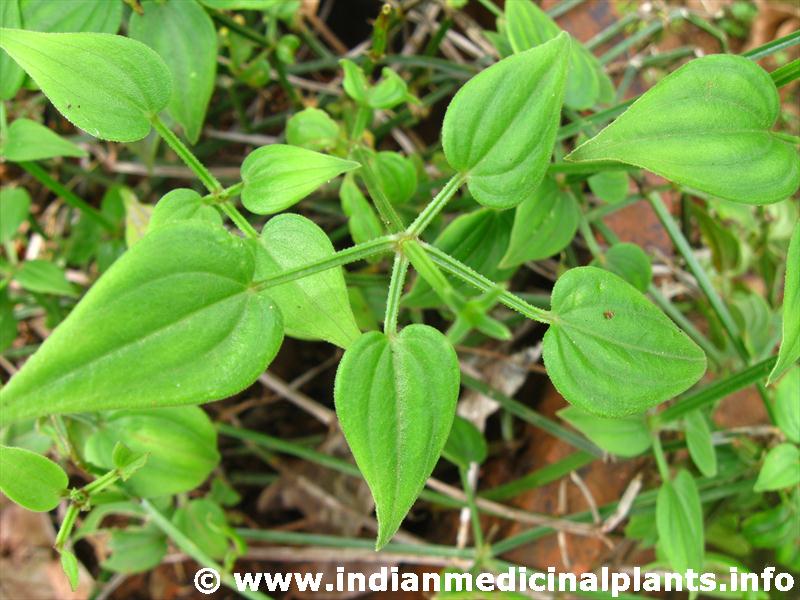
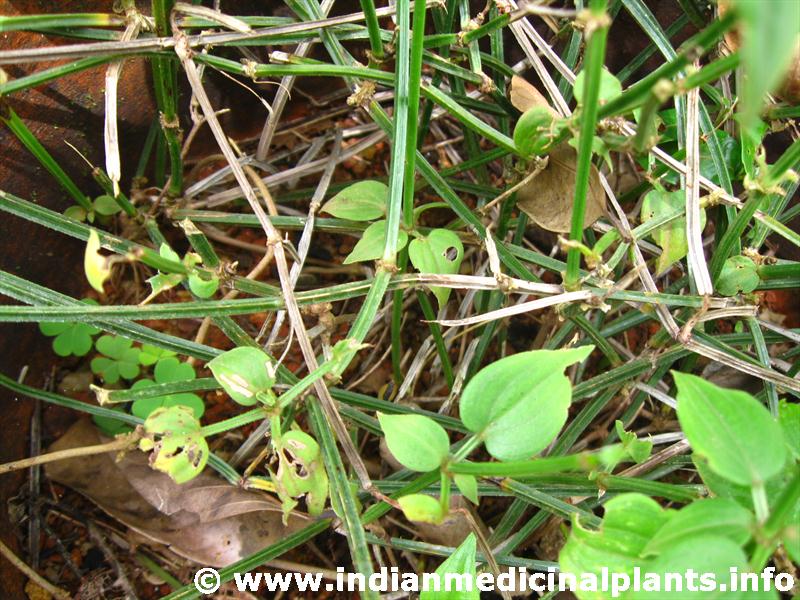
Perennial, herbaceous, climbing plant. stems often many feet’s long, rough grooved; bark white.
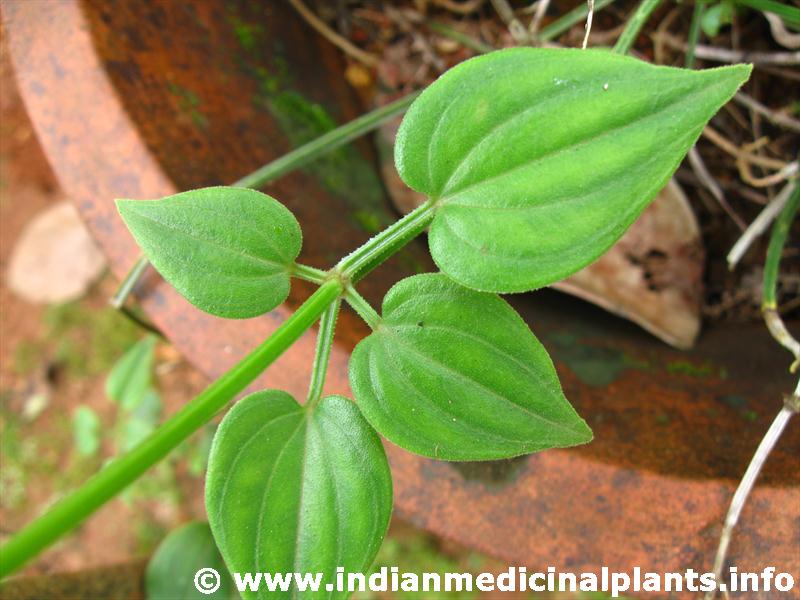
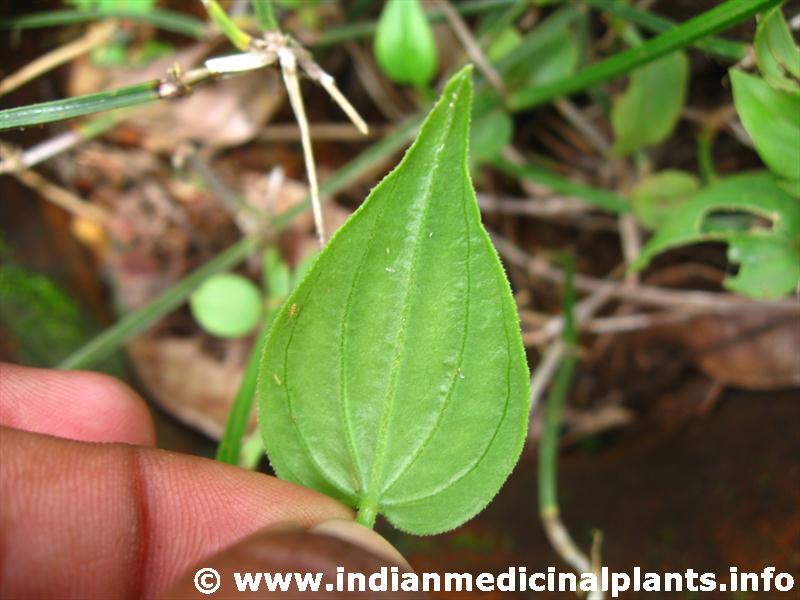
Leaves – simple,4-8x 2-3cm., in whorls of 2-8, often only 4, ovate, acute, lower leaves are larger than the upper; base rounded or cordate; petioles triangular.
Flowers- in terminal panicled glabrous cymes; branches chotomous, spreading; bracts leafy. colyx 0.85 mm long; tubular, glabrous. Corolla- greenish, divided nearly to the base; five lobed, ovate, acute 2-4 mm long. Styles two; stigma globose.
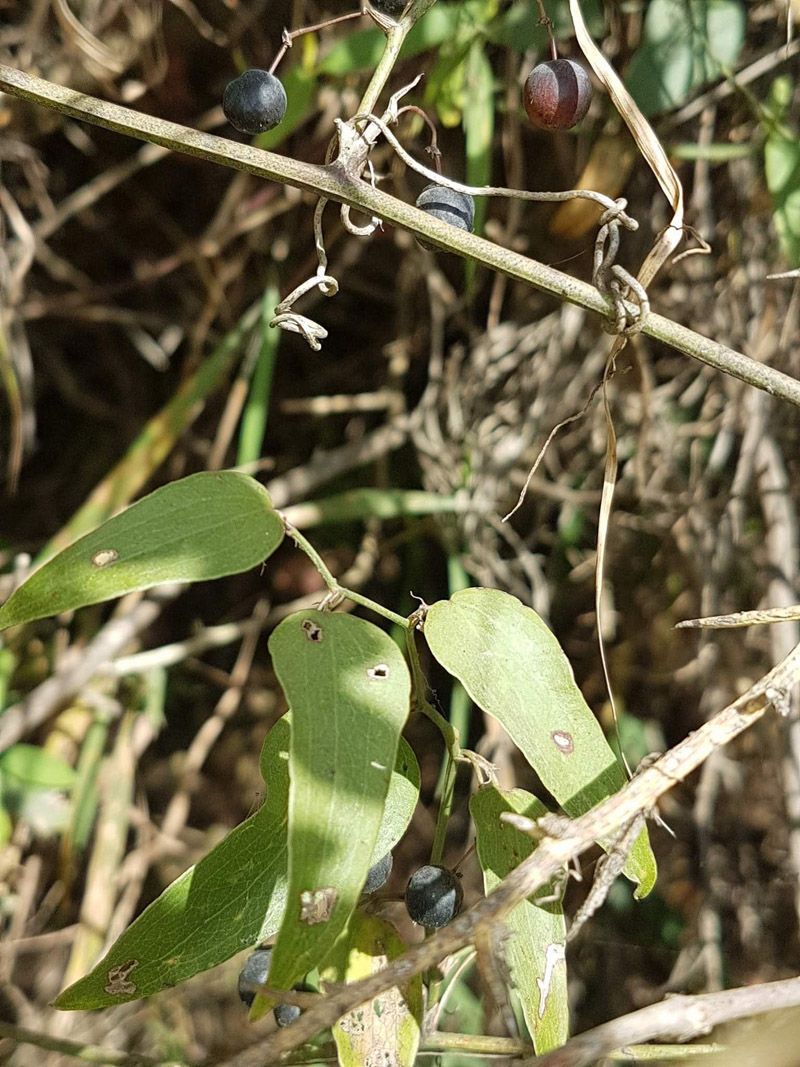
Fruit- 4-6 mm. diameter ,digamous or globose, 2 lobed, purplish black when ripen.
Distribution & Habitat
Found throughout India in hilly areas; now being cultivated at various places
Chemical constituents:
Anthraquinones, xanthopurpurin, peudopurpurin, munjistin, purpuroxanthin, rubiatriol. rubicoumaric acid, rubifolic acid, pseudopurpunin, alizarin, rubiadin, rubimallin, purpurin
Properties:
Rasa Madhura, Tikta
Guna Guru, Rüka
Virya Usna
Vipãka Katu
Karma – Kapha-pittahara, Varnya, Visaghna, rasayana, kushtaghna,
blood purifier, astringent, diuretic, emmenagogue, deobstruent, antidysenteric, antiseptic, digestive, carminative
Srotogamitva:
Dosha : kapha pittahara
Dhatu :raktha, mamsa
Mala :purisha
Organ : liver, skin
Indication:
Jvara, Mütrakrcchra, Prameha, Kustha, Visarpa, Varyna, sotha, Raktãtisãra, Netra roga
Skin disease, urinogenital disorders, vwounds,jaundice, dysentery; piles, ulcers, inflammations; erysipelas, skin diseases and rheumatism
Part used:
Whole plant (mainly root)
Dosage:
Leaf juice 10-15 ml
Powder 2-4 g
Decoction 50-100 ml
Internal uses:
Nervous system It gives relief to brain and nerves. Thus it is useful in nervous system disorders (But if given in excessive doses, it creates mania hallucinations.)
Digestive system It is a good appetizer (deepan) and has good digestive capacity (pachan). It has astringent property that reduces motility and is Anthelemintic. Therefore if is used in loss of appetite, amadosha, diarrhoea, dysentery associated with bleeding and different helminthes.
Circulatory system Being haemostatic, used in many blood disorders, raktapitta and skin disorders, ulcers,. erysipelas etc.
Reproductive system It stimulates uterus. It increases menstrual flow and it purifies breast milk. Therefore used in dysmenorrhoea, secondary amenorrhoea. It is used to purify uterus and breast milk after delivery. It also reduces fever.
Urinary system It is antidiabetic, especially in manlishthameha, a type of pittaja prameha. In renal calculi, 1gm. manjishtha powder is’ given three times a day for 1 week. This removes the renal stone.
Skin It is used in skin diseases like leprosy, vitiligo and hypopigmentation. In these conditions manjishtha is given, in honey. Dhatuga,nltva External as well as internal use of majishtha, aijuna bark, yashthimadhu andsugandhi vala is beneficial in fractures.
Temperature It is used in fever, especially chronic pyrexia and fever after delivery.
Satmikaran: It has been proved beneficial in different skin disorders related with pigmentation, weakness, general debility. Manjishtha improves voice.
Important Yogas or Formations:
pinda taila, Maha Mañjiãdi kvãtha, Laghu Mañjisthãdi kvãtha Manjistadyaraka Mañjisthädi lepa Mañjihãditailá, Sinduradi taila, Trnaka taila, Pañca tikta guggula grhta, Nava kasaya, Adityapaka taila.
Therapeutic Uses:
(1) Manjiistha Mehá : Manjista and Cañdana Kasaya is useful (S.S.Ci.l 119).
(2) Arsas- In bleeding piles ghee prepared with Mañjistha and sigru should be given (S.SCi.6/9)
(3) Kandabhagna- Mañjtha and Madhuka are made into paste using Amlà dravyas and applied externally (V.M.)
(4) decoction useful in washing the ulcers.
Descriptions on Ayurveda books / Nighandu:
1
2
3
4
5
6
7
8
9
10
11
12