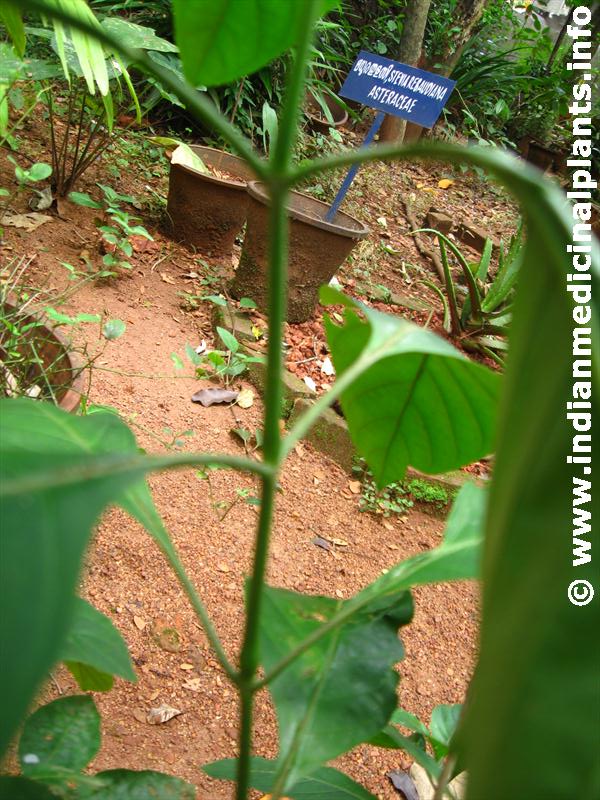
Botanical Name: Rhinacanthus nasutus (L.) Kurz.
Family: Acanthaceae
Introduction:
Mainly using in folk and unanni for poison and skin disease.
Names in different Indian languages
| English | Snake Jasmine, dainty spurs |
|---|---|
| Hindi | Palakjuhi, juyipani |
| Kannada | Nagamulli |
| Malayalam | Nagamulla, pulukkolli |
| Sanskrit | Yuuthiparni |
| Tamil | Nagamulli |
| Telugu | Nagamulli |
| Unani | Gul-baglaa |
| Folk |
Synonyms
Yuuthiparni, Yuuthikaparni. Paalaka-Juuhi
Rhinacanthus communis Nees.
Justicia nasuta L.
Classification according to Charaka, Susrutha & Vagbhata
| Charaka | |
|---|---|
| Susrutha | |
| Vagbhata |
Varieties & adulterants – (CV – controversy, AD – adulterants)
Morphology
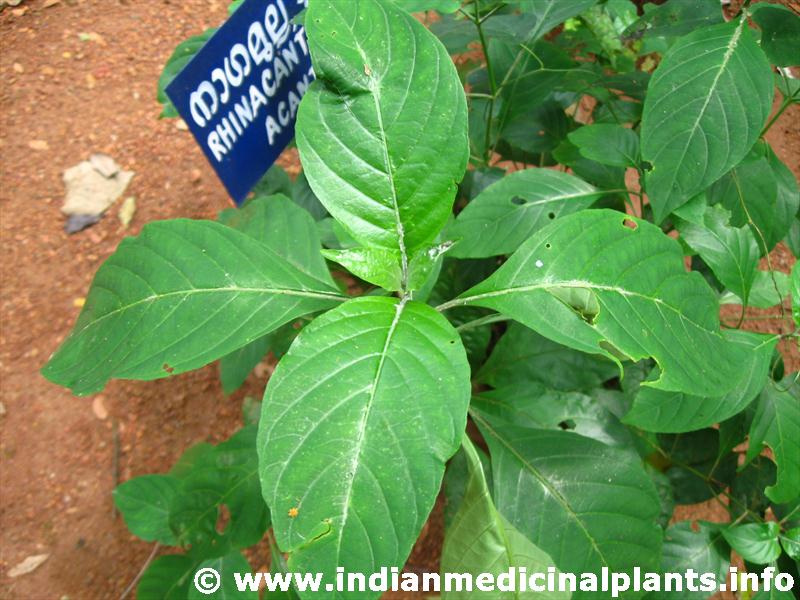
It is an undershrub plant grows up to 60-80 cm height
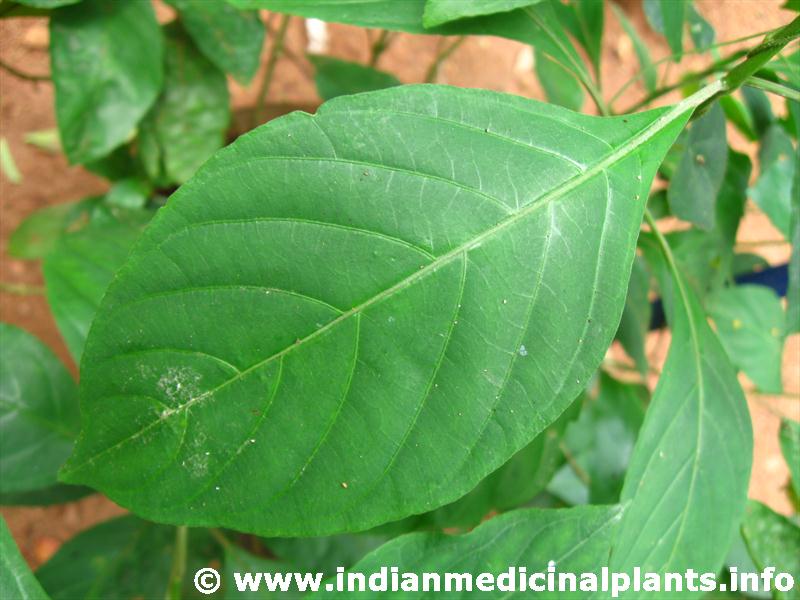
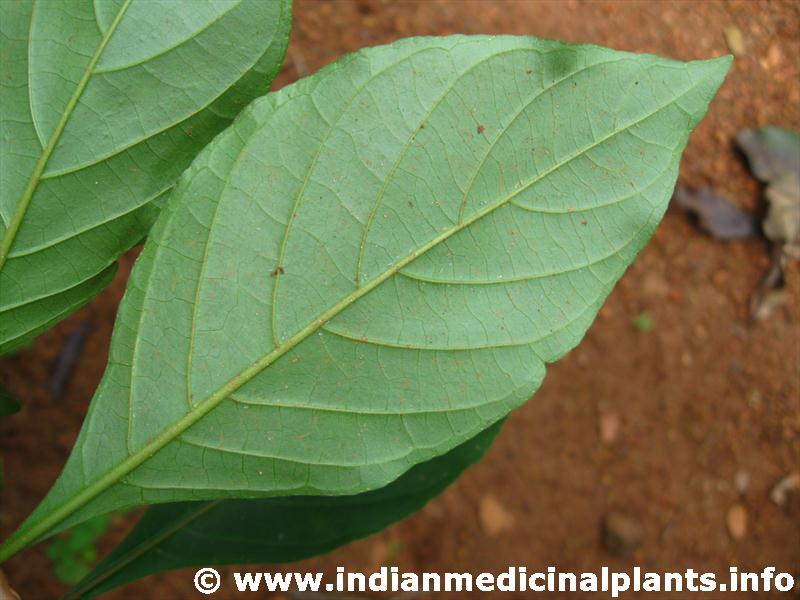
Leaves – simple, opposite, lanceolate
Flower – white, solitary
Fruit – capsule with four seeded.
Distribution & Habitat
All over India
Chemical constituents:
Rhinacanthin, oxymethyl anthraquinones. , rutin.
Karma –
Thermogenic, allergic, antiseptic, anti cancerous
Indication:
skin diseases, eczema, scabies, ringworm, herpes, scurvy , ulcer
Part used:
Whole plant
Dosage:
Leaf juice 10-15 ml
Powder 2-4 g
Decoction 50-100 ml
Therapeutic Uses:
- A paste of the root, with lime juice, is applied externally to ringworm and scabies