Botanical Name: Punica granatum Linn
Family: Punicaceae
Introduction:
It is one of the extensively used vegetable drug in the therapeutics by Brhat Trayi. The seeds (with pulp) are used as Hridya , Grahani, Atisãra.
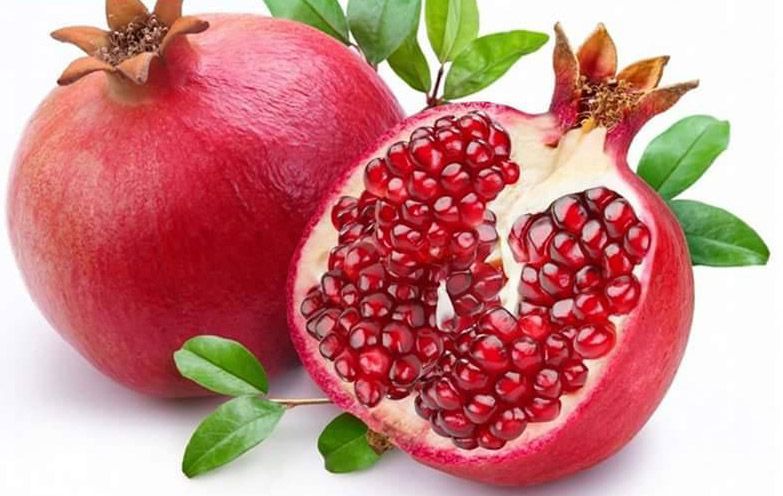
Names in different Indian languages
| English | Pomegranate |
|---|---|
| Hindi | Anar, dhalim |
| Kannada | Dalimbe |
| Malayalam | Matalam, urumampalam, t |
| Sanskrit | Limatalam, matalanarakam |
| Tamil | Maathulai |
| Telugu | Dadima |
| Unani | Anaar, Roomaan, Gulnaar, Gulnaar Farsi. |
| Folk |
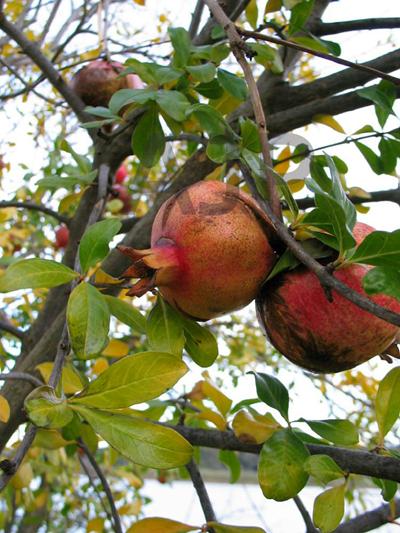
Synonyms
Daadima, Daadimba, Raktapushpa, Dantabijaa, Raktakusumaa, Lohitpushpaka.
Classification according to Charaka, Susrutha & Vagbhata
| Charaka | Chardinigrahana |
|---|---|
| Susrutha | Parüsakãdi |
| Vagbhata | Parüsakãdi |
Varieties & adulterants – (CV – controversy, AD – adulterants)
1. The sweet (Madhura)
2. sour (Amla)
3.Svädvamla
Note: In charaka, susrutha and Astanghrdayam properties about dadima and matulungam are described separately.
Morphology
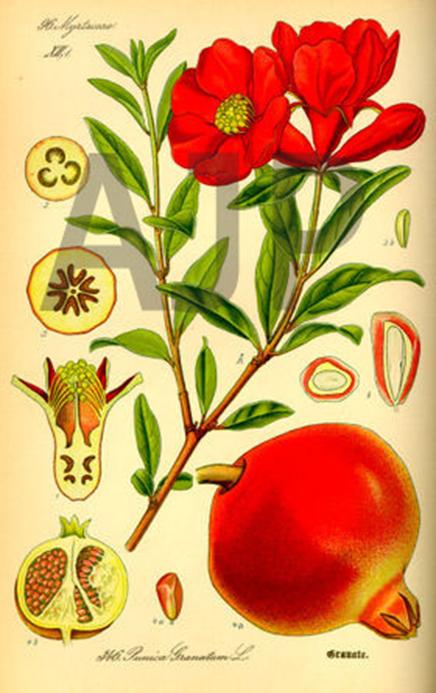
It is shrub or small tree about 5- 8 m. height, deciduous, glabrous, often with spinescent bracelets.
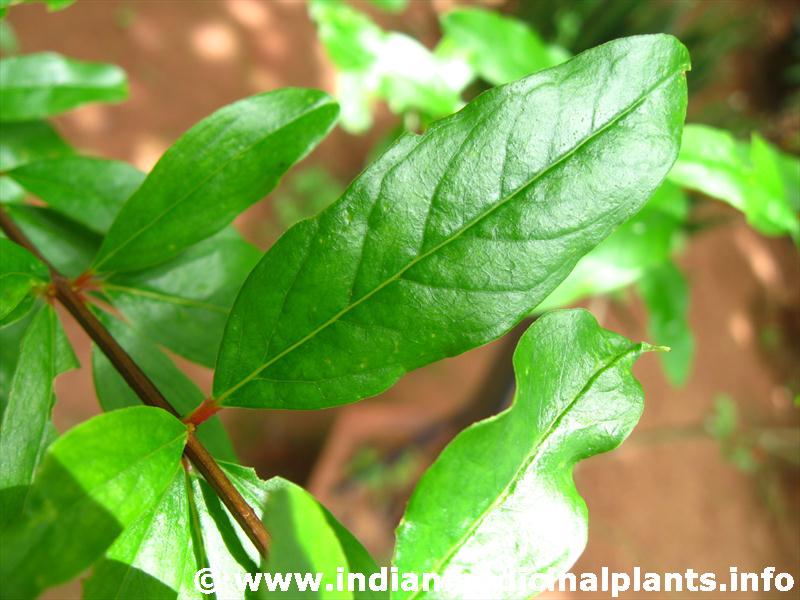
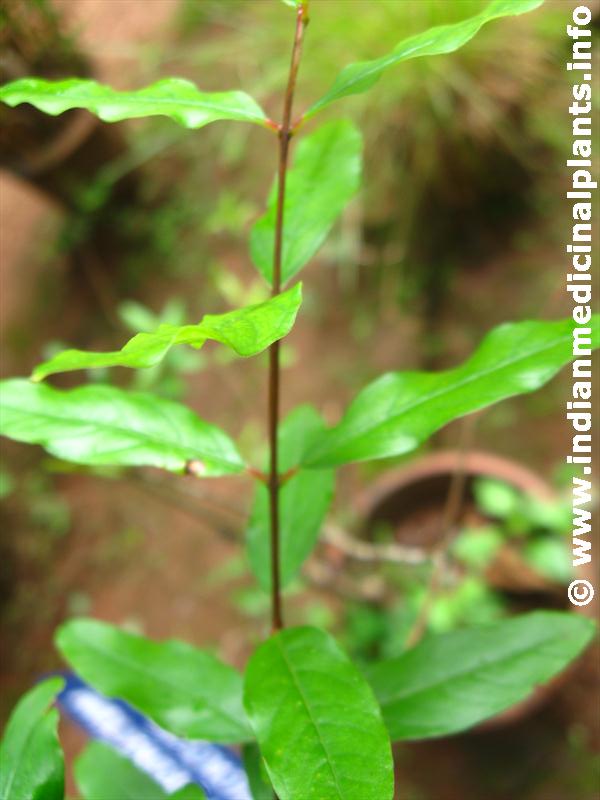
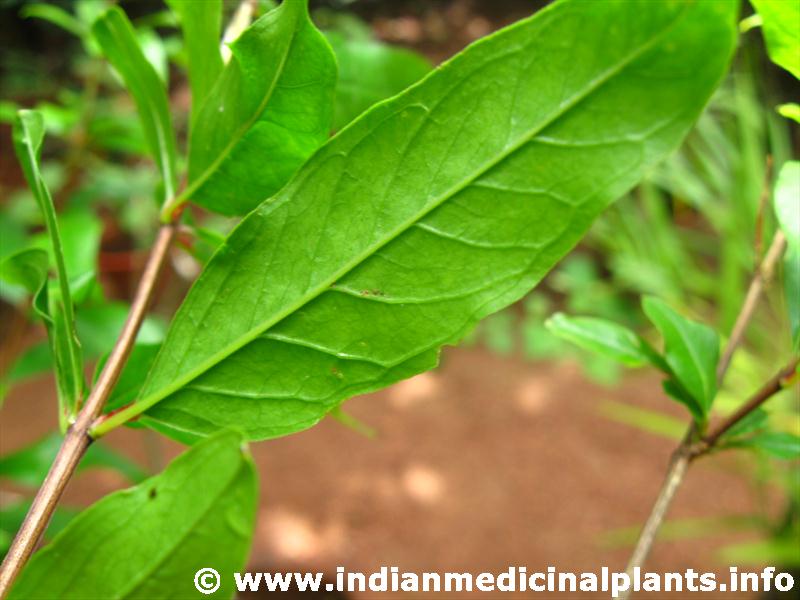
Leaves- simple, opposite or sub opposite , often fascicled on short petioles. oblong or obovate
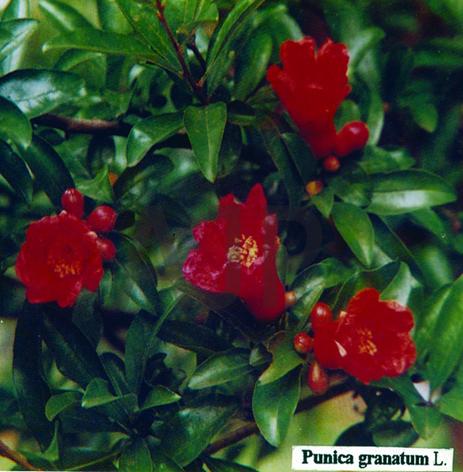
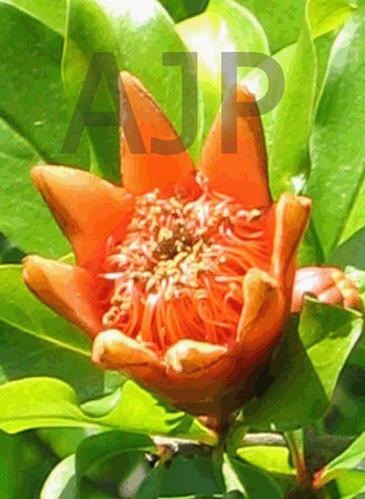
Flowers- globose, terminal or axillaries, solitary, large showy, scarlet or orange calyx coriaceous. persistent prolong above the ovary, free part companulate; ovary inferior.
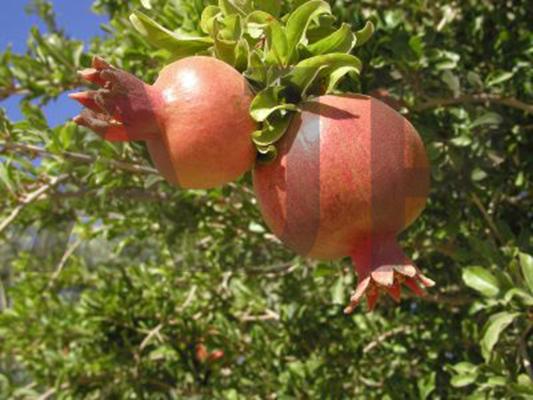
Fruits large globose, crowned by the somewhat tubular limb of the calyx. indetiscent, with a coriaceous rind; pulp red and juicy. sometimes white.
Seeds- angular test a coriaceous (Flowers in April and fruits in June usually).
Distribution & Habitat
All over India
Chemical constituents:
Ellagitannin, punicalagin, punicalin
Seed- estrone, punicic acid
Stem- malvidin pentoSe glucosides. tannin, ursolic acid etc. ellagic acid,
Rasa Kasäya, Madhura, Amla
Guna Laghu, Snigdha
Virya Usna
Vipaka Madhuta/Amla
Karma – Hridya, sukrala,Grahi, dipanam, rucyam
astringent, stomachic, digestive, cooling, Anthelmintic, diuretic
Srotogamitva:
Dosha : pittaghna
Dhatu :rasa, raktha
Mala :purisha
Organ : liver, brain
Indication:
Raktapita, raktatisara, raktarsas, jvara, Daha,
ulcers, anaemia, splenomegaly, bronchitis, otalgia, dysentery, diarrohea, cardiotonic, scabies
Part used:
Seed, fruit, root, bark, leaves, fruit covering
Dosage:
Leaf juice 10-15 ml
Powder 2-4 g
Decoction 50-100 ml
External uses
Due to its astringent nature the decoction of the bark is used in throat disorders and oral disorders as a gargle and also in ulcers.
Internal uses:
Nervous system The Fruit acts as a brain Tonic, It acts on mental debility and associated disorders
Digestive system The fruit is an appetite stimulant, increases desire for foods, inhibits thirst, and acts as an astringent. It is also used on tape worm. weak appetite, amoebiasis, dipsia, peptic disorder and such pitta disorders, and also diarrhoea, loose motions, it is extremely useful. In worm infestation 10-20 ml. of the root bark decoction is given on an empty stomach followed by a laxative next day.
Circulatory system : The fruit is cardio tonic and haemostatic. It is useful in blood disorders like anemia and bleeding disorders. In nose bleeds, the decoction of the fruit rind should be given as a nasya. Seeds should be used in acid peptic disease.
Respiratory system Being astringent. the bud ameliorates kapha. The fruit ads as an expectorant. In infantile kapha disorders, the fruit is ground in goat’s milk and is given as a licking agent. The flowers are useful in cough induced by vata and pitta.
Urinary system : It acts as diuretic and hence useful in urinary disorders,
Reproductive system : As it promotes semen, it is used in seminal debility. The decoction of fruit rind is used for uttarbasti in vaginal discharges.
Important Yogas or Formations:
Dadimashtaka, Dadimadichurna, Dadimadighrita. Dadimadya taila, ganda hara curna.
Therapeutic Uses:
(1) Arsas- Ghee prepared with Dadima svarasa and Yavakara will check bleeding and pain (C.S.Ci.’4)
(2) puyameha fruit rind of Dadima is made as infusion and administration with sugar orally (S.B. M.)
Descriptions on Ayurveda books / Nighandu:
1
2
3
4
5
6
7
8
9
10
11
12