Botanical Name: Pterospermum canescens Roxb.
Family: Sterculiaceae
Introduction:
Latin name: Pterospermum = Pteron = wing. spermum= seed : suberifolium = cock like leaves
Names in different Indian languages
| English | |
|---|---|
| Hindi | Muchukunda |
| Kannada | Toddagiringa |
| Malayalam | Chittilaplavu, Muchukundam |
| Sanskrit | Muchukunda |
| Tamil | Sempulavu |
| Telugu | Lolagu |
| Unani | |
| Folk |
Synonyms
Kshatravruksha, Chitrak. Prativishnuk. Bahupatra, Supushpa. Adhyarhi. Lakshmanav. Raktaprasav,vasu
Pterospermum uberifolium Lam. non-Roxb.
Classification according to Charaka, Susrutha & Vagbhata
| Charaka | |
|---|---|
| Susrutha | |
| Vagbhata |
Varieties & adulterants – (CV – controversy, AD – adulterants)
Morphology
A tree with scented, brown flowers.
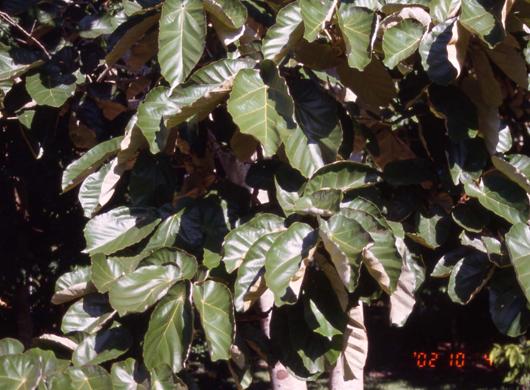
Leaves – large, shield-like, (thus called kshatravruksha) upper surface green. lower is white. Shows vertical cracks on the bark. Trunk is brownish in colour. Branches – closely packed. Seeds are winged. Flowering occurs in summer.
Distribution & Habitat
Throughout India
Chemical constituents:
arachidic, linoleic,myristic, oleic, palmitic and stearic acids, beta-sitosterol,
Properties:
Guna: ruksha;
Rasa: kashaya, katu, tikta:
Vipaka: katu;
Virya: ushna;
Karma –
Rakta prasadana, sopha hara
carminative, digestive,astingent,
Srotogamitva:
Dosha: Kaphapittaghna.
Dhatu: Rakta (pittashamak), rasa (skin diseases).
Mala: Sweda. Organ: Respiratory system.
Prabhava: Antitoxic.
Indication:
Kasa, swasa, sira peeda, raktapitta
migraine
Part used:
Whole plant, mainly flowers
Dosage:
Leaf juice 10-15 ml
Powder 2-4 g
Decoction 50-100 ml
uses:
External uses: Its local application is soothing and alleviates burning sensation in headache, bleeding piles and chicken pox.
Internal uses: Analgesic in vata diseases. Muchkunda is useful as an astringent in brood and bile related disorders. It controls bleeding in piles when given as a powder of flowers along with honey and sugar. It is also useful in bronchitis, asthma and skin diseases.