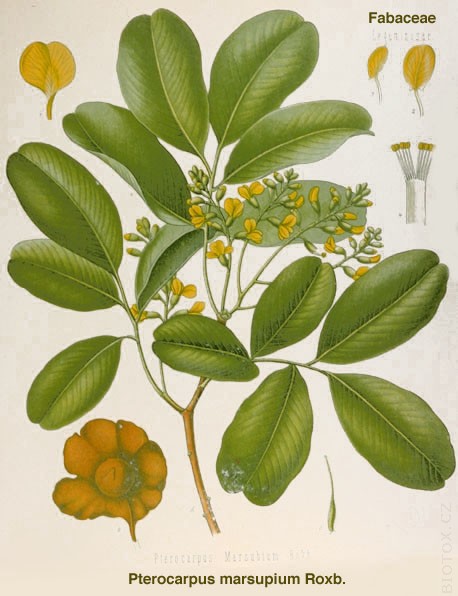
Botanical Name: Pterocarpus marsupium Roxb.
Family: Papilionaceae; Fabaceae
Introduction:
Latin name: Pterocarpus = ptero – with wings, carpus – fruit; marsupium bears pouch in flowers; marsupium = purse (Animals like kangaroo which have a pouch are called marsupials).
Scientific classification: Most commercial rosewood comes from the genera Dalbergia and Pterocarpus of the subfamily Papilionoideae, family Fabaceae (formerly Leguminosae), and from the genusJacaranda of the family Bignoniaceae. Brazilian rosewood is classified as Dalbergia nigra, East Indian rosewood as Dalbergia latifolia,African rosewood as Pterocarpus erinaceous, and Amboina wood asPterocarpus indicus.
Names in different Indian languages
| English | Indian Kino tree, Malabar Kino tree. |
|---|---|
| Hindi | Bijasal, vijayasar |
| Kannada | Hannemara |
| Malayalam | Venga |
| Sanskrit | Asana |
| Tamil | Vengai |
| Telugu | Asana, beddagi |
| Unani | Bijaysaar |
| Folk |
Synonyms
Asana, Bijaka, Priyaka, Pitashaala.
Classification according to Charaka, Susrutha & Vagbhata
| Charaka | |
|---|---|
| Susrutha | |
| Vagbhata |
Varieties & adulterants – (CV – controversy, AD – adulterants)
Morphology
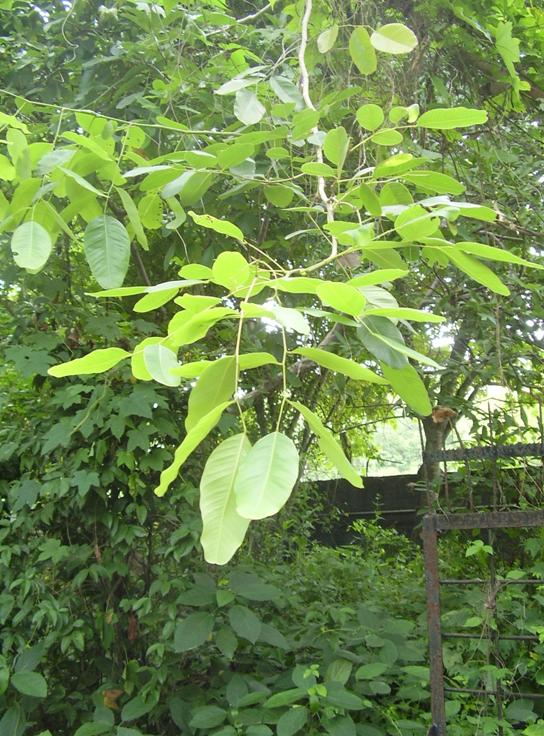
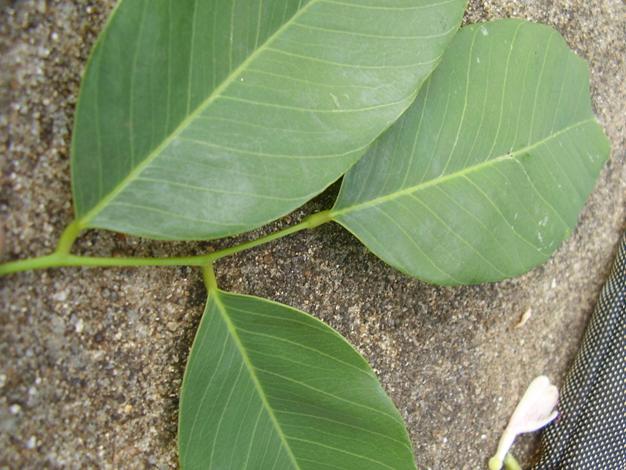
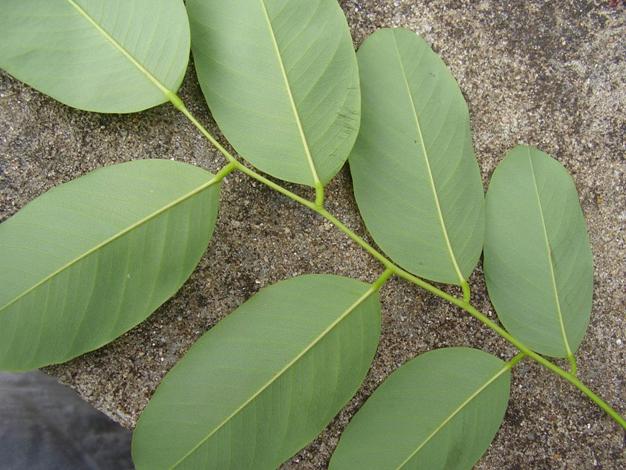
The tree grows to 10 – 15 mtrs. in height, smoky skin of the trunk bears vertical slits. Gum is red in colour. Leaves and foliage bear wavy margin, flowers – yellowish. Legumes – contain two seeds. Water turns yellow at the beginning and then black when trunk is dipped in it.
Distribution & Habitat
South India
Chemical constituents:
isoflavonoids, terpenoids, tannins, hypoglycaemic, epicatechin. Stilbenes, pterostilbene
Properties:
Guna: laghu. ruksha:
Rasa: kashaya:
Vipaka: katu;
Virya: sheeta;
Karma –
Rasayana, pramehaghna, twachya, keshya
astringent, antihaemorrhagic, antidiarrhoeal
Srotogamitva:
Dosha: Kapha, pitta.
Dhatu: Raktagami (oedema, erysepalas, leucoderma. dermatosis).medogami , rasayan, rakta (cohesive).
Mala: Purisha, mutra.
Indication:
Kusta, kandu, swithra, visha, medas
anaemia, worm infestation, skin diseases, urinary disorders, obesity, hypercholesterolemia
Part used:
Whole plant , mainly heart wood
Dosage:
Leaf juice 10-15 ml
Powder 2-4 g
Decoction 50-100 ml
Uses: External application is done in swelling. erysipelas. leucoderma. dermatoses and allergic dermatitis. Local application of the resin strengthens loose teeth. Resin and bark are used in diarrhoea and dysentery. It is very useful in infants and women. raktagami vatapitta disorders and in diabetes. Beejak is an excellent remedy for fractures and is also a rasayana. Trunk and resin are used.