Botanical Name: Prunus cerasoides D. Don.
Family: Rosaceae
Introduction:
Latin name: Prunus = frosted, snous); cirasoidus or Prunus padum.
It is included in the Vedanasthapan, Varnya. Kashayskandh, Sarivadi and Chandanadi ganas, all of which contain pittashamak dravyas.
Names in different Indian languages
| English | Wild Himalayan Cherry, Bird Cheery. |
|---|---|
| Hindi | Padmaka |
| Kannada | Padmaka |
| Malayalam | Patumukam, Padmaka |
| Sanskrit | Padmaka |
| Tamil | Patumukam, Padmaka |
| Telugu | Padmakla |
| Unani | |
| Folk |
Synonyms
Padmaka, Padmagandhi, Padmaadyaa, Padmaakha, Padmakaashtha.
Prunus cerasoides
Classification according to Charaka, Susrutha & Vagbhata
| Charaka | |
|---|---|
| Susrutha | |
| Vagbhata |
Varieties & adulterants – (CV – controversy, AD – adulterants)
Prunus domestica
Morphology
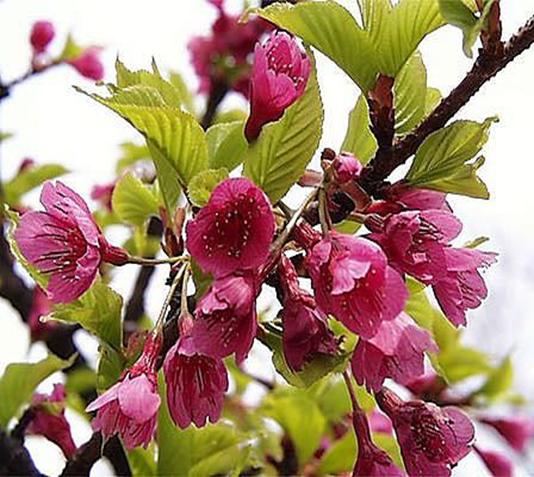
It is a large tree, very decorative after flowering. Stalk is round. reddish with knobs and fragrant like lotus. Skin – brown, flowers whitish, brownish. appear through sepals.
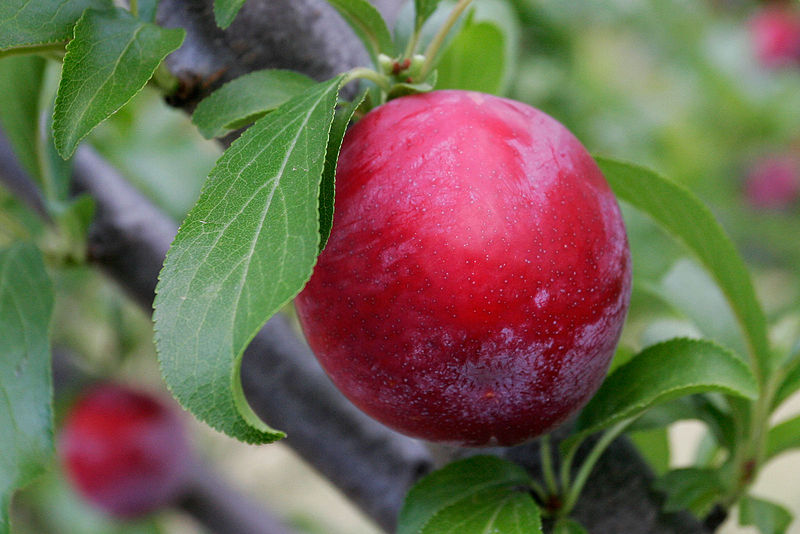
Fruits – round, astringent, sour, containing hard seed with slight flesh, useful for consumption. Fresh stalk should be used.
Distribution & Habitat
Himalaya, Simla. Gadhwal, Sikkim, Nepal, Bhutan
Chemical constituents:
puddumin-A, hydrocyanic acid, beta-sitosterol, stigmasterol, ursolic acid, prunetinoside, glucogenkwanin , neosakuranin
Properties:
Guna: laghu, snigdha;
Rasa: kashaya, tikta;
Vipaka: katu;
Virya: sheeta;
Karma –
Grahyam, vranahara
Antilithic, refrigerant, antipyretic, abortifiecnt
Srotogamitva:
Dosha: Tridoshahar prabhav, stalk – kaphapittaghna, bark – vataghna.
Dhatu: Rakta, shukra, meda,rasayan rasa (febrifuge).
Mala: Mutra (calculus), seed (diuretic).
Indication:
Meha, kusta, jwara, sopha, visha
fever, skin disease, cough,
Part used:
Heartwood, oil
Dosage:
Powder 2-4 g
Decoction 10 -20 ml
Uses: External application of the paste is useful as refrigerant, anti-pruritic and complexion enhancer. When used internally, it acts as an appetite stimulant, digestive, astringent, analgesic, cardio tonic. diuretic (seeds), aphrodisiac. spermatogenic, febrifuge and antidermatosis. Due to these properties helps in the conditions of neurogenic pain, loss of appetite, laxity of stomach, vomiting, thirst, obesity. bleeding disorders, breathlessness, hiccups, abortion etc. It also acts as rejuvenating agent. Seed pulp is used in urinary calculi.