Botanical Name: Poa cynosuroides
Family: poaceae
Introduction:
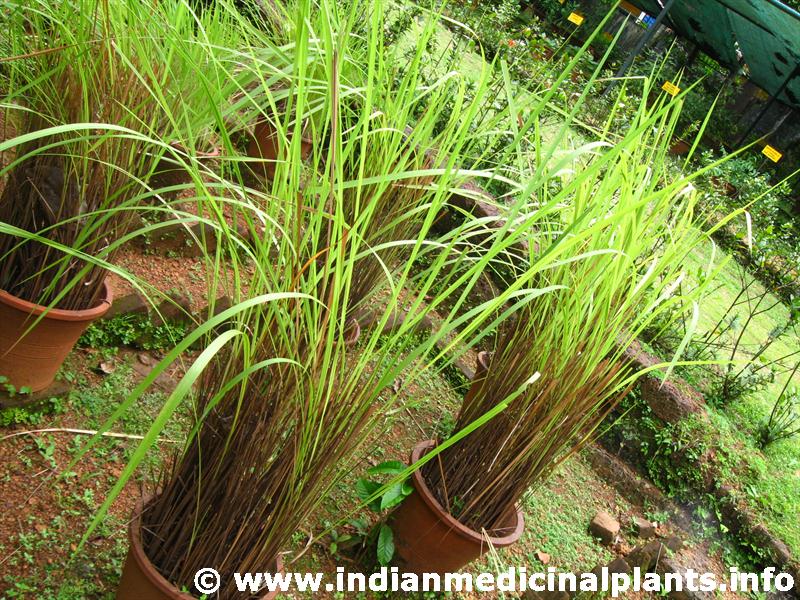
It considered as a variety of darbhah.
Names in different Indian languages
| English | |
|---|---|
| Hindi | Darbha |
| Kannada | Darbha |
| Malayalam | Darbha |
| Sanskrit | Darbha , kushah |
| Tamil | Darbha |
| Telugu | Darbha |
| Unani | |
| Folk |
Synonyms
Classification according to Charaka, Susrutha & Vagbhata
| Charaka | |
|---|---|
| Susrutha | |
| Vagbhata |
Varieties & adulterants – (CV – controversy, AD – adulterants)
2 types of kusah mentioned in Ayurveda
Desmostachya bipinnata (Linn)
Morphology
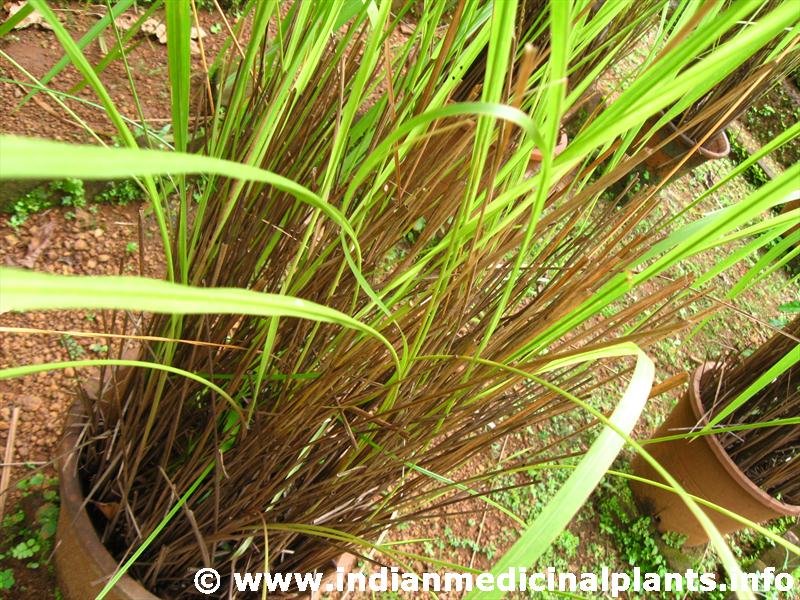
A shrub grows, 1-2 m. high with a long lifespan.
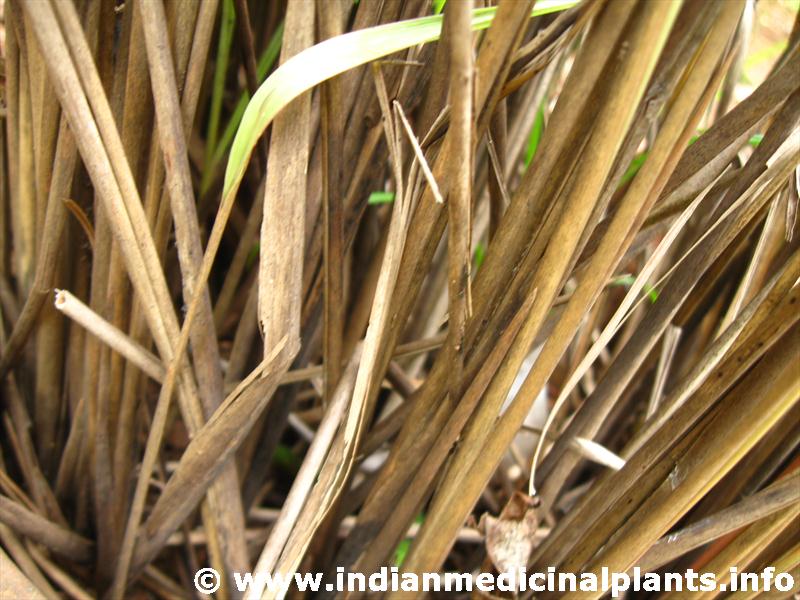
Roots – deep and strong.
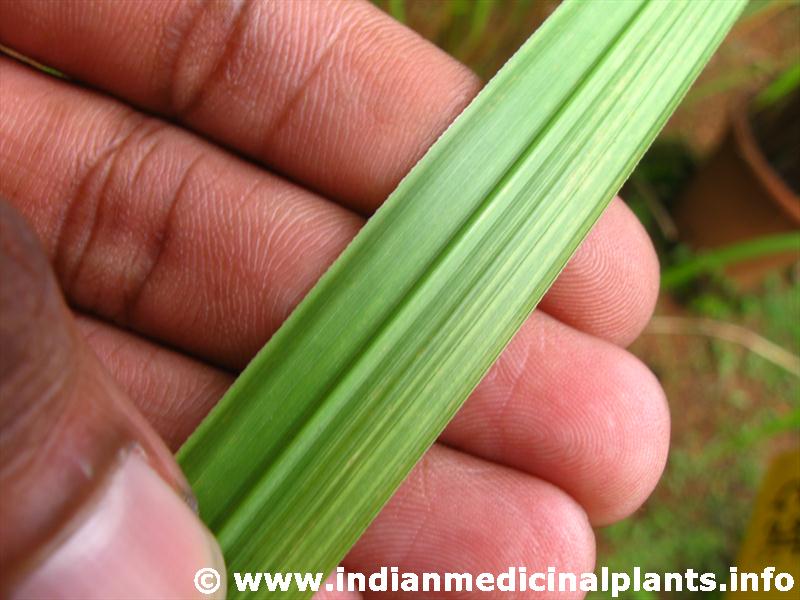
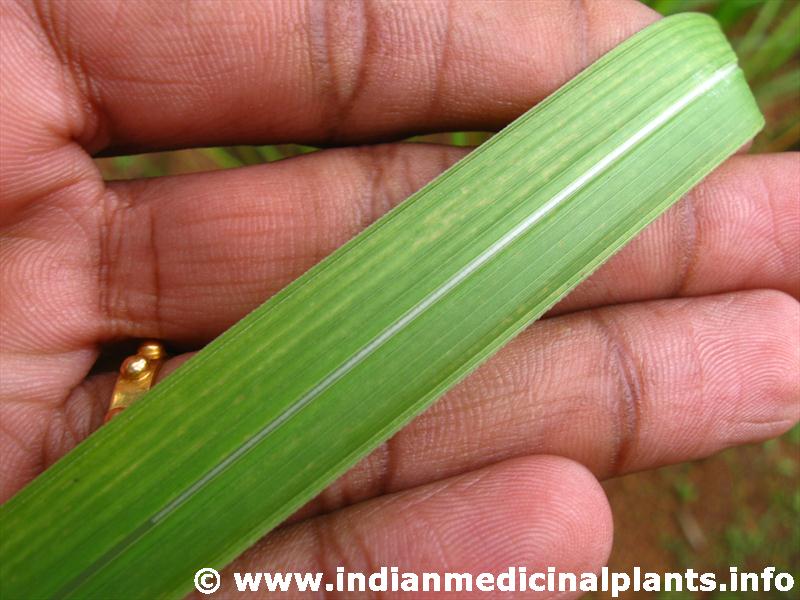
Leaves – arise from the root having length 0.25 meters and width 0.5 meters.
They are pointed at the tip with tiny and string thorns on both the edges.
Seeds – 0.25 cm. long, ovoid and flat, flowering in monsoon and fruits come in winter. Darbha belongs to the same variety. It has long and rough leaves.
Distribution & Habitat
All over India
Properties:
Guna : laghu, snigdha;
Rasa : madhur. kashaya;
Vipaka : madhur;
Virya : sheeta;
Karma –ruchyam, swasaghna, kasaghna, jwaraghna
cooling, diuretic, galactagogue, astringent.
Srotogamitva:
Dosha : kapha pittaghna
Dhatu :raktha
Mala :mutrala
Organ : kidney
Indication:
Mutrskrichra, vasti sula, rakta pitta, svasa, kasa, visarpa, pradaram, kamala
menorrhagia, dysentery, diarrhea, urinary calculi and in skin diseases,
Part used:
Whole plant
Dosage:
Leaf juice 10-15 ml
Powder 2-4 g
Decoction 50-100 ml
Internal uses:
As it is haemostatic, it is used in diarrhoea and dysentery with bleeding per rectum. menorrhagia and other bleeding disorders. It is a galactogoque. It has diuretic and lithotripsic properties. hence it is used in dysuria and calculi. Its decoction is helpful in skin disorders.
Descriptions on Ayurveda books / Nighandu:
1.
2
3
4
5
6