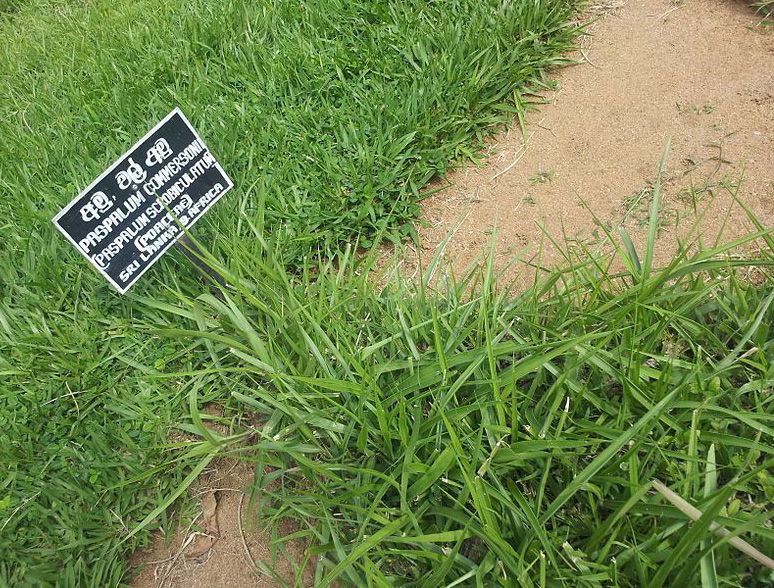
Botanical Name: Paspalum scrobiculatum Linn.
Family: Gramineae; Poaceae
Names in different Indian languages
| English | Kodo millet |
|---|---|
| Hindi | Kodo, kodra |
| Kannada | Harike |
| Malayalam | Varaku |
| Sanskrit | Kodravah |
| Tamil | Varagu |
| Telugu | Kiraruga |
| Unani | |
| Folk |
Synonyms
Kodrava, Korduusha
Morphology
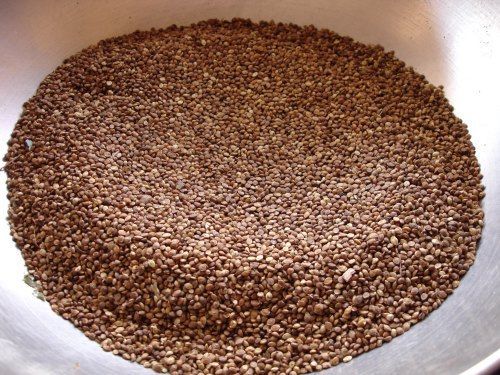
It is an annual grain that is grown in primarily in India, but also in the Philippines, Indonesia, Vietnam, Thailand, and in West Africa where it originates. It is grown as a minor crop in most of these areas, with the exception of the Deccan plateau in India where it is grown as a major food source.[1] It is a very hardy crop that is drought tolerant and can survive on marginal soils where other crops may not survive, and can supply 450–900 kg of grain per hectare Kodo millet has large potential to provide nourishing food to subsistence farmers in Africa and elsewhere.
uses:
used as a CNS drug for treating schizophrenia and psychoses
Chemical Constituents
hentriacontanol, Hentriacontanone, sitosterol.