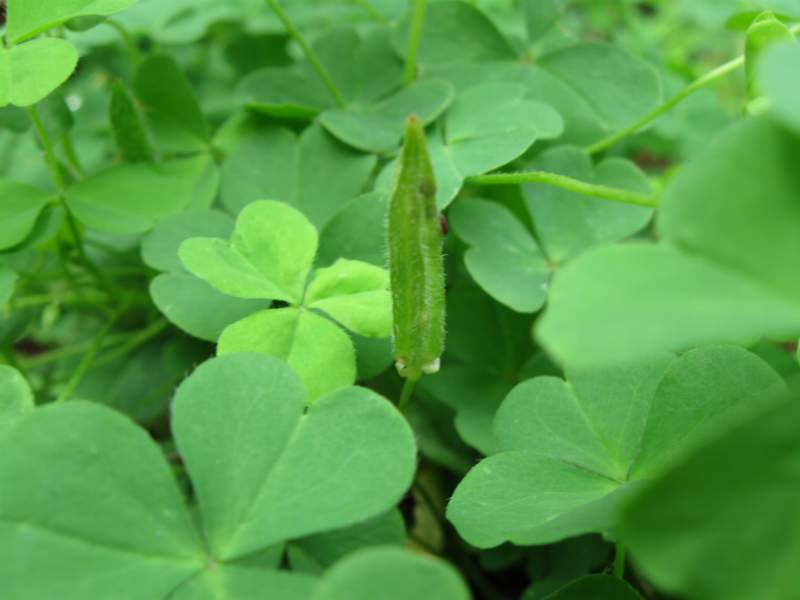
Botanical Name: Oxalis corniculata Linn.
Family: Oxalidaceae.
Introduction:
Changeri is the one of the most important drugs in Rasa sastra. It included in amla dravyas
Scientific classification: Oxalis is the common name for the family Oxalidaceae. The wood sorrel genus is classified as Oxalis.
Names in different Indian languages
| English | Indian Sorrel |
|---|---|
| Hindi | Tinpatiya, amrulsak, cukatripati |
| Kannada | Hulihunice, teltuppi |
| Malayalam | Puliyaral, puliyarila |
| Sanskrit | Chaangeri |
| Tamil | Puliyarai |
| Telugu | Pulicintaku, pullacinta, anbotikura |
| Unani | Ambutaa bhaaji, Amutaa saag. |
| Folk | Tinpatiyaa, Ambilonaa. |
Synonyms
Amlapatrikaa, Amlikaa, Chukraa, Chukrikaa, Chhatraamlikaa
Classification according to Charaka, Susrutha & Vagbhata
| Charaka | Sãka varga |
|---|---|
| Susrutha | Sãka varga |
| Vagbhata | Sãka varga |
Varieties & adulterants – (CV – controversy, AD – adulterants)
1 Cukrikã– Rumex vesicarius Linn.
2.DantaSathã,
3.Ambasthã
4.Amla Lonikã
5.Sunisainah – Marselia quadrifolia
6.Siravãlika – Celosia argentia Linn
7. Oxalis acetosella
8. Marselia minuta
Morphology
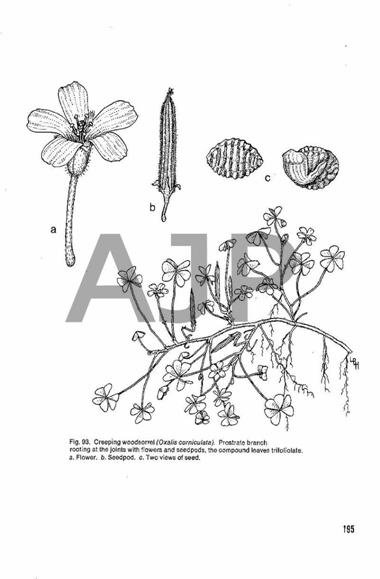
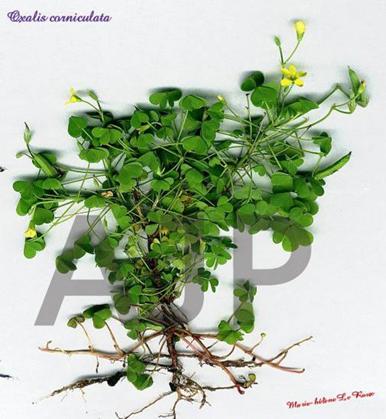
An appressed -pubescent, diffuse, perennial, creeping herb.
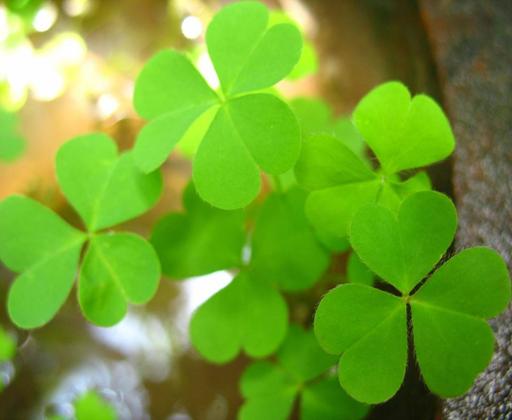
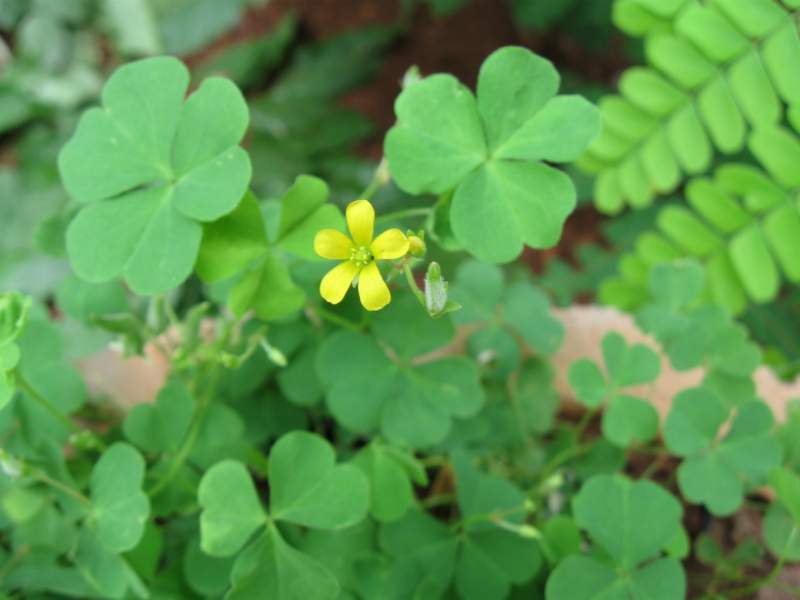
Leaves- palmately 3- foliolate, long-petioled, stipulate; leaflets cordate.
Flowers-yellow, borne in 2-8 flowered umbelliform inflorescence.
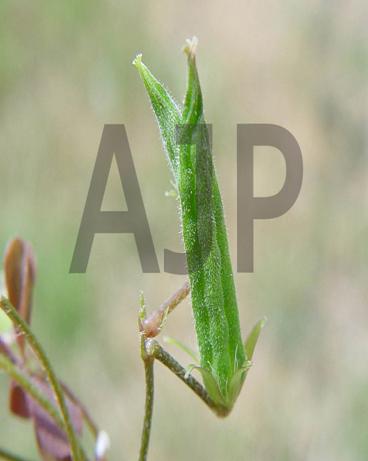
Fruits- subcylindric. tomentose or glabrous, 5-angles capsules.
Seeds- numerous, transversely ribbed, dark-brown.
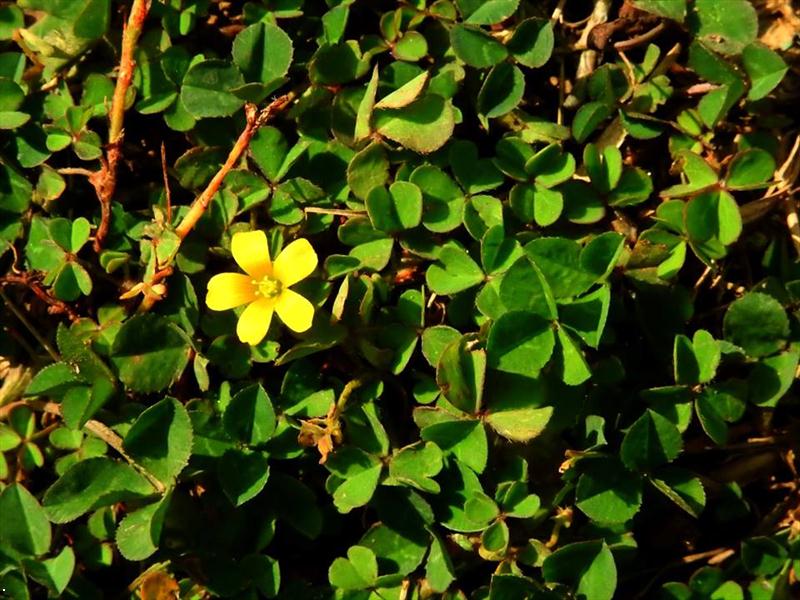
Distribution & Habitat
All over India
Chemical constituents:
It contains potassium and oxalic acid. Malic acid, tartaric, citric acids, vitexin, isovitexin, .Obeta-D-glucopyranoside,
Properties:
RASA- Amla, Kasäya
GUNA– Laghu, Rüksa
VIRYA-ushna
VIPAKA– Amla
Karma – Kapha-vata hara, Dipana,pachana, ruchya,hridya, Grãhi,
anti-inflammatory, analgesic, antipyretic and antiscorbutic activities, headache.
Srotogamitva .
Dosha Alleviates kapha and vata and vitiates pitta (by ushna veerya),
Dhatu :,meda – useful in rectal prolapse and strengthens muscles.
Mala Purisha (constipative).
Organs : Liver (stimulant) intestines.
Part used— Whole plant
Dosage— Fresh juice 6-12 ml.
Indications— Grahani, Atisãra, Kustha, Arsas
tympanitis, dyspepsia, biliousness , dysentery, gout, indigestion, diarrhea, fever
Dosage:
Leaf juice 10-15 ml
Powder 2-4 g
Decoction 50-100 ml
Internal uses:
Nervous system : Juice is given in alcoholism.
Digestive system :, It is liver stimulant and astringent therefore useful in distaste, anorexia, haemorrhoids, dysentery, rectal prolapse.
Circulatory system : Cardiotonic and haemostatic. It is vasoconstrictor
Temperature : Ushna veerya but cool to touch
Satmikaran : Antidote for intoxicants, mainly dhattura seeds
Important Yogas or Formations:
Charngeradi ghrita.
Important research work going on
1. Action on GI tract
2. Anti bacterial action
3. Action on nerve fibers
Therapeutic Uses:
(1) Unmãda– Juice of Changeri, Kañijika and jaggery (equal parts) shall be add together and administered orally .
(2) Arsas – The leaves of Trivrt, Dañti, Cangeri arid Citraka are fried in a mixture of ghee and gingely oil. Then they are mixed with curd and taken orally (C.S.Ci.14)