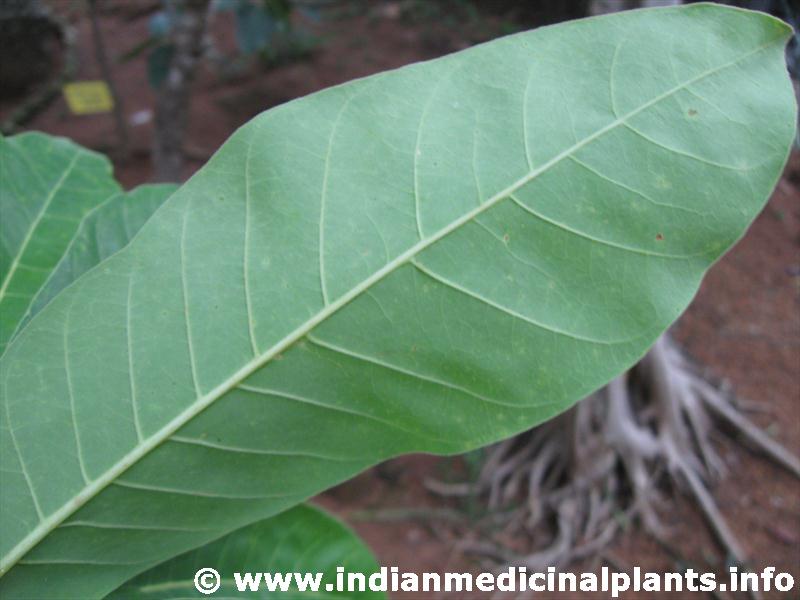
Botanical Name: Madhuca indica J. F. Gmel.
Family: Sapotaceae
Introduction:
Latin name : Mudhuka = from the Sanskrit name – madhuk; indira = Indian or Bassia = after Fernando Bassi, Curator of the Botanical garden of Bologna, Italy; latifolia = broad leaves.
Names in different Indian languages
| English | Indian butter tree, Mahwa tree. |
|---|---|
| Hindi | Mahva, mohva |
| Kannada | Erappe |
| Malayalam | Ilippa, irippa |
| Sanskrit | Madhukah |
| Tamil | Ieluppai. |
| Telugu | Ippa |
| Unani | Mahuaa |
| Folk |
Synonyms
Teekshnasar, Vanaprastha, Madhusrav, Dholaphala, Swadupushpa. Madhushthil, Madhuuka, Madhupushpa, Gudapushpa
Madhuca longifolia (Koen.) Macb. var. latifolia (Roxb.) Cheval.
Bassia latifolia Roxb.
Classification according to Charaka, Susrutha & Vagbhata
| Charaka | |
|---|---|
| Susrutha | |
| Vagbhata |
Varieties & adulterants – (CV – controversy, AD – adulterants)
One of the varieties called jalamadhuk grows in marshy land. The sweet portion of the flowers gets quickly converted to alcohol. The flowers are used to make liquor
Morphology
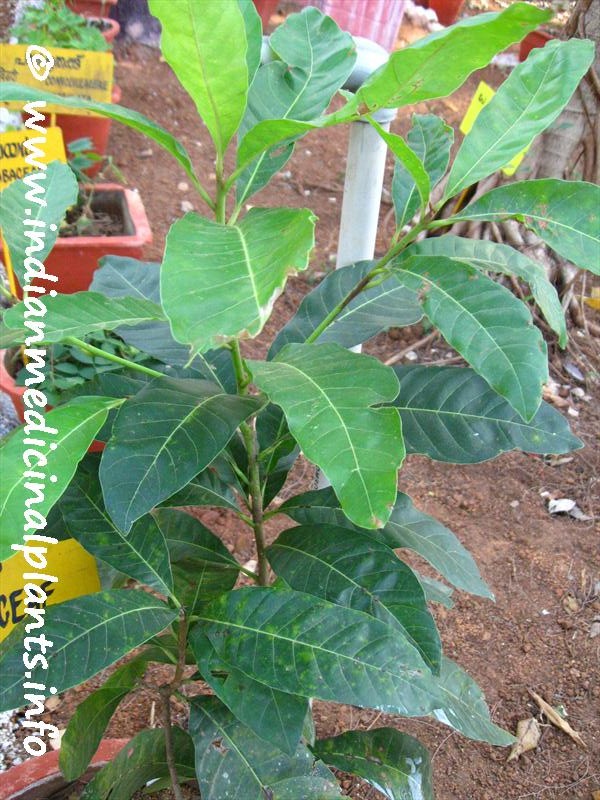
It is an evergreen tree growing to a height of 10-16 mtrs. Bark – blackish or greyish in colour, torn, but the wood is brownish.
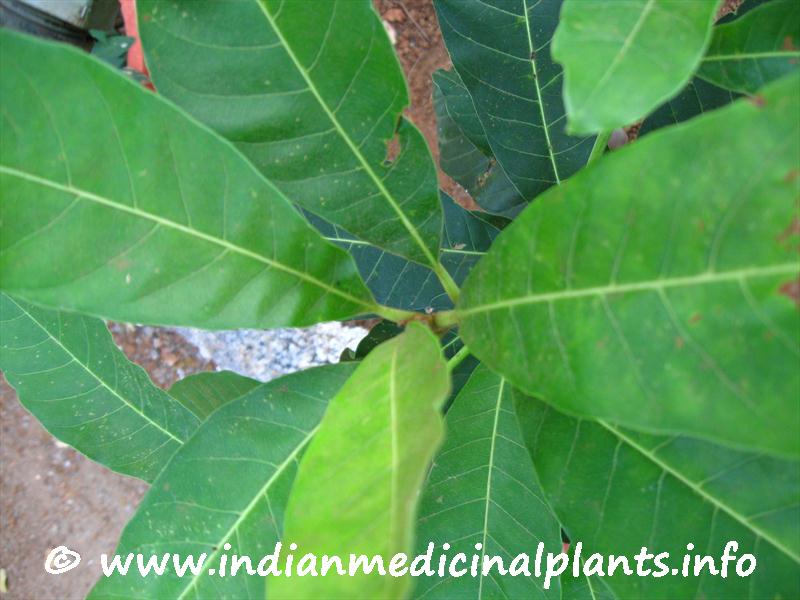
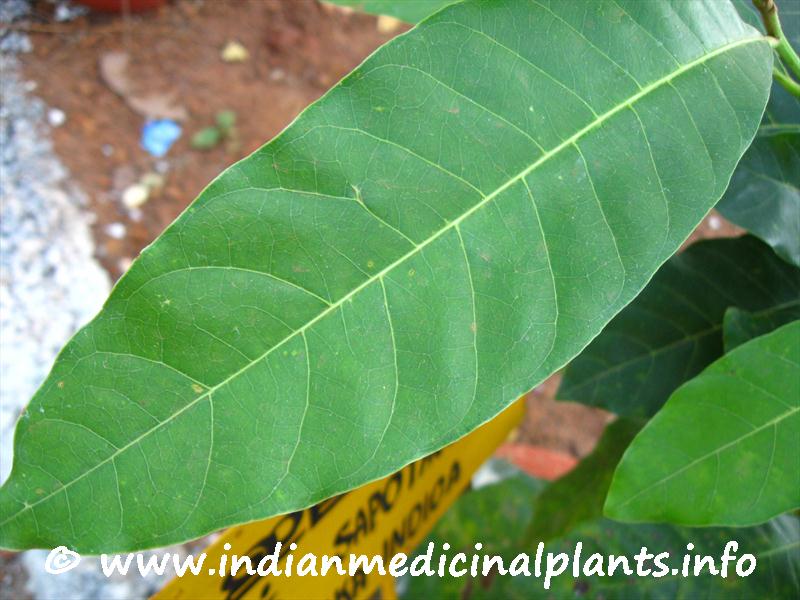
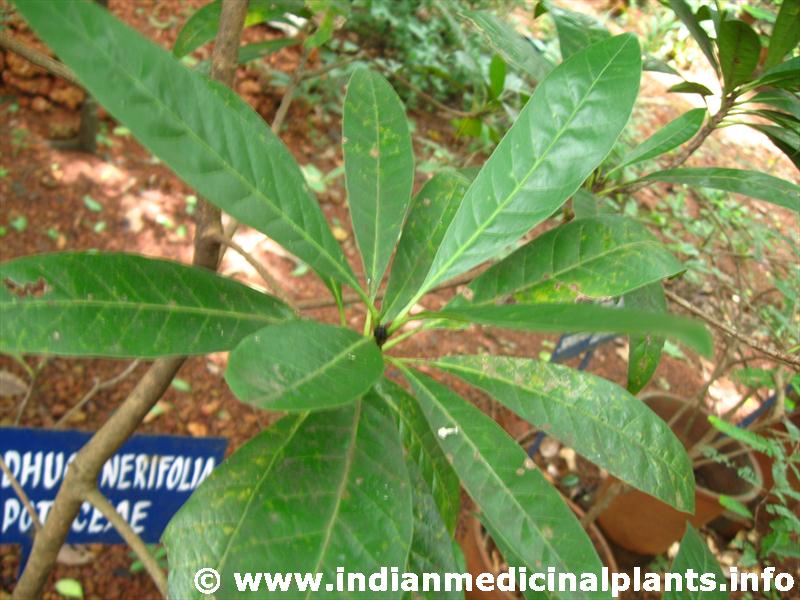
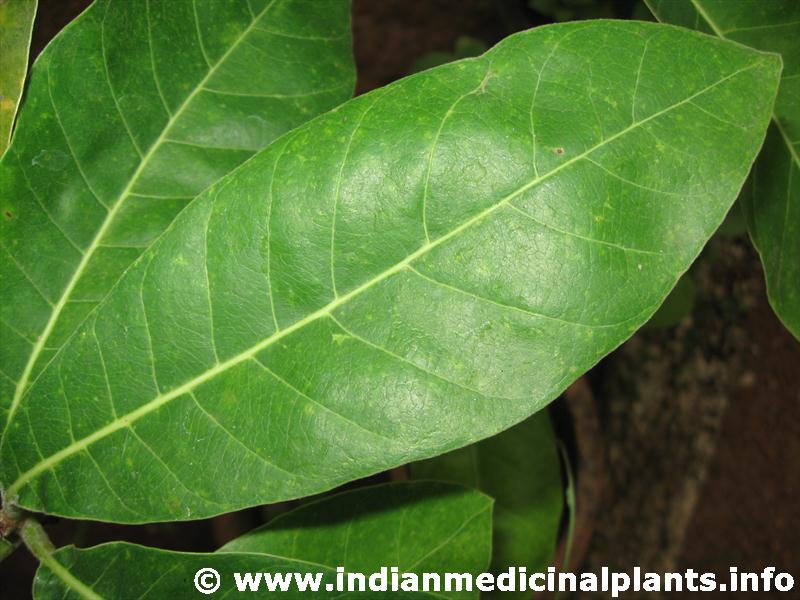
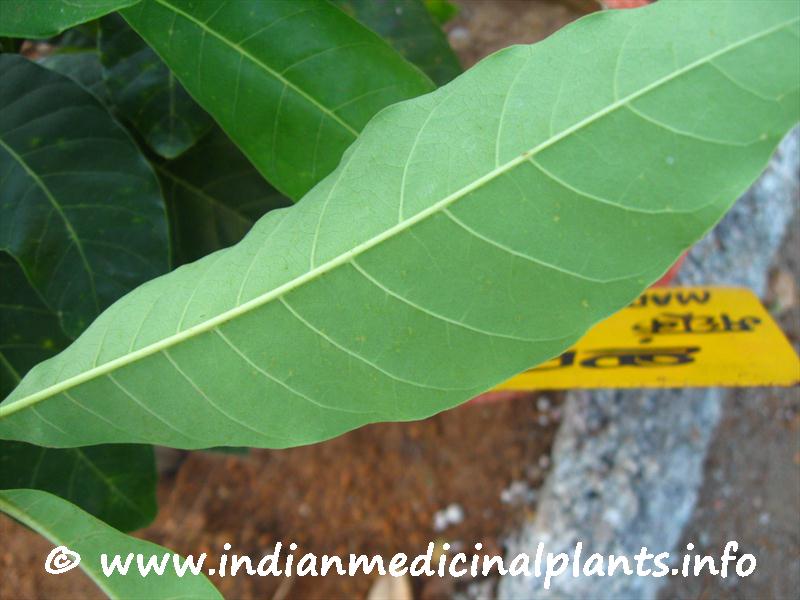
Leaves – 8 to 15 cm. in length, simple, oblong–oval, with 10 to 12 veins, ends in bunches
Flowers – white, juicy and contain a sugar-like substance.
Fruits – berry , oblong, 1/2 inch long, initially green and then turning to yellow.
Fruit contains 1-4 red coloured seeds. The tree flowers in summer and fruits in rainy season.
Distribution & Habitat
Western Ghats
Chemical constituents:
alpha- and beta-amyrin acetate, n-hexacosanol, beta-D-glucoside , beta-sitosterol , free sitosterol.
Properties:
Rasa: madhur, kashaya;
Guna: guru, snigdha;
Virya: sheeta(dry flowers are ushna);
Vipaka – Madhur
Karma –krimisodanam, vrisyam, balym, rasayana
stimulant, demulcent, laxative, anthelmintic, bechic, emetic
Srotogamitva:
Dosha : vattapittha samanam
Dhatu :raktha
Mala :purisha
Organ : liver, spleen
Indication: krimi, trishna, jwara, vrana
pneumonia, skin diseases, piles, tonsilitis, gum troubles, diabetes, ulcers, gout
Part used:
Bark, flower, fruit, seed
Dosage:
2-4 g bark powder
Uses : Massage done with the oil prepared from madhuk is analgesic. flower juice is rubbed on the skin in dermatoses and is used as nasal drops in pittaj headache, flower pulp is given along with milk in nerve disorders as a nervine tonic. Decoction of the flowers or it is used in oedema, diarrhea, dysentery and thirst and it is a carminative and astringent. Juice of fresh flowers is used in bleeding disorders. It is used in bronchitis and asthma as an expectorant and in hiccups. Flowers are aphrodisiac and galactogouge and hence used in seminal debility and reduced breast milk secretion. The pulp of the seeds is used to prepare vaginal suppository for inducing menstrual bleeding. Madhuk is also useful in dysuria. Fever and burning .
Important Yogas or Formations:
madhukasava
Therapeutic Uses:
- Fruit used as laxative.
- Bark decoction useful in washing wounds.
Descriptions on Ayurveda books / Nighandu:
1
2
3
4
5
6
7
8
9
10
11
12