Botanical Name: Indigofera tinctoria Linn.
Family: Fabaceae
Introduction:
Indigo Plant, common name for any of a genus of shrubs or perennial herbs The genus has about 700 species, most native to tropical regions. Indigo plants have compound leaves and bear purple, pink, or white flowers. Their fruit consists of pods. Various Asian species contain the glycoside indican, which can be oxidized to produce the dyestuff indigo. Of a long-lasting, deep-blue color, indigo was an important Indian, Egyptian, and Roman dye during antiquity. It was first introduced into Europe during the 16th century. Most indigo dye today is synthetically manufactured.
Latin name : Indigofera = Indigo = blue. fera = offering:tincloria = of the dyer’s.
Indigo plants constitute the genus Indigofera, of the family Papilionoideae.
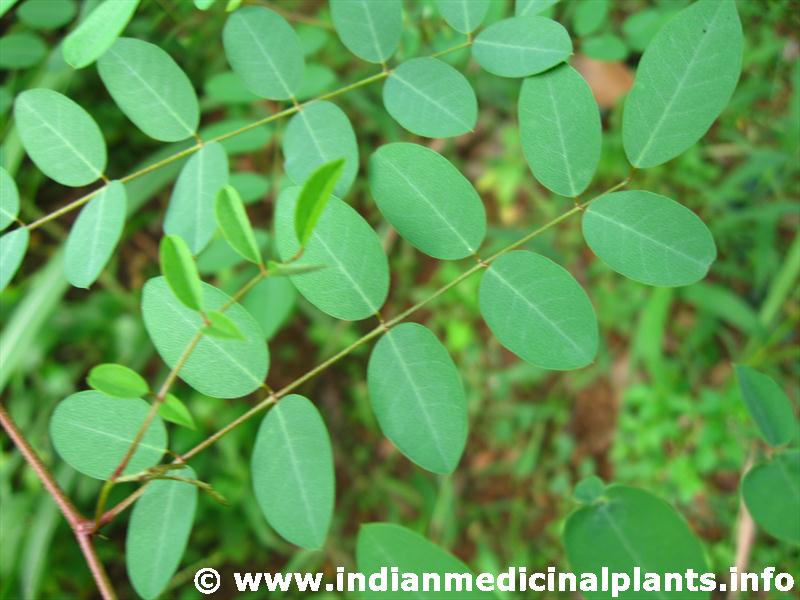
Names in different Indian languages
| English | Indigo |
|---|---|
| Hindi | Nilam |
| Kannada | Nili |
| Malayalam | Nilamari, amari |
| Sanskrit | nilini |
| Tamil | Nili, Averi, Asidai, Attipurashadam. |
| Telugu | nili |
| Unani | Habb–ul-Neel. |
| Folk |
Synonyms
Nilikaa, Nilaa, Nila, Nili, Nilini, Nilapushpa, Ranjani, Shaaradi, Tutthaa.
Classification according to Charaka, Susrutha & Vagbhata
| Charaka | |
|---|---|
| Susrutha | |
| Vagbhata |
Varieties & adulterants – (CV – controversy, AD – adulterants)
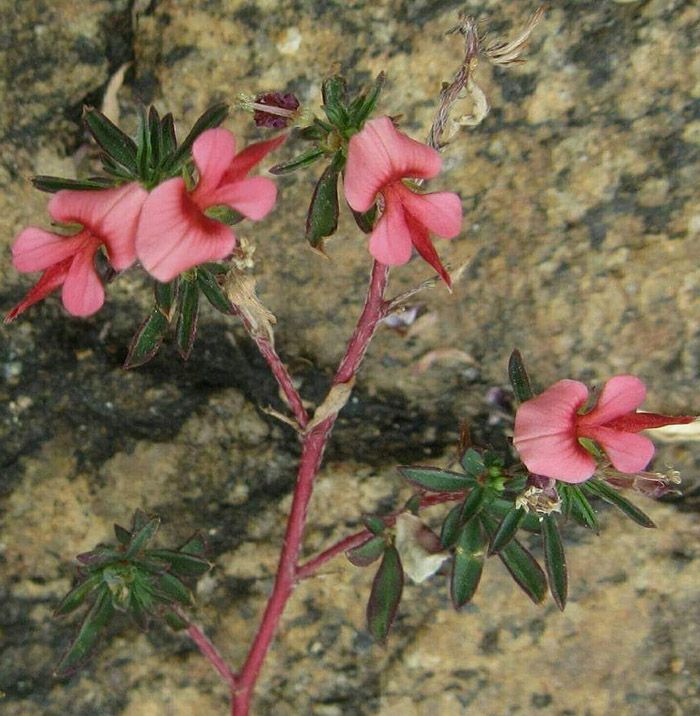
Indigofera aspalathoides
Morphology
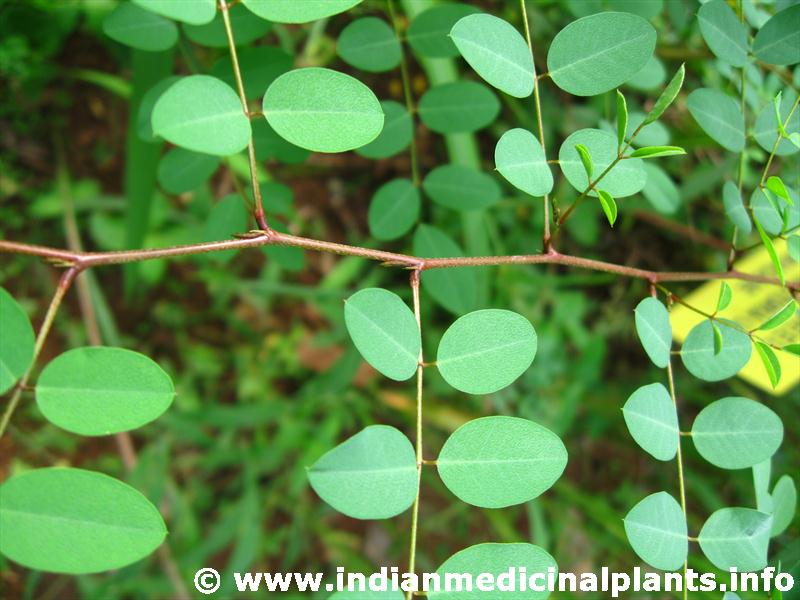
A shrub 2 to 2.5 mtrs. high with white trunk.
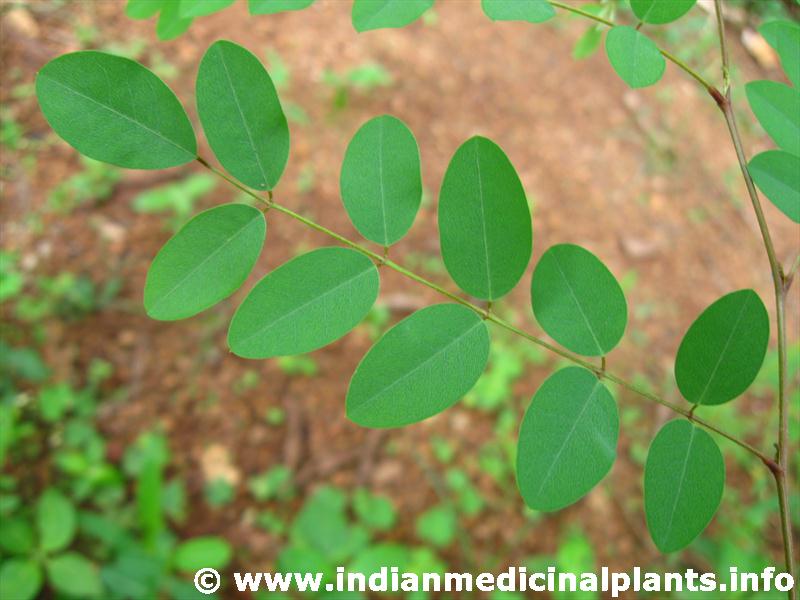
Leaves – compound, tender leaves bluish
Flowers- blue or rose coloured.
Fruit –pod, 1 to 2 fingers in length. bent at the tip containing 8-10 seeds.
Distribution & Habitat
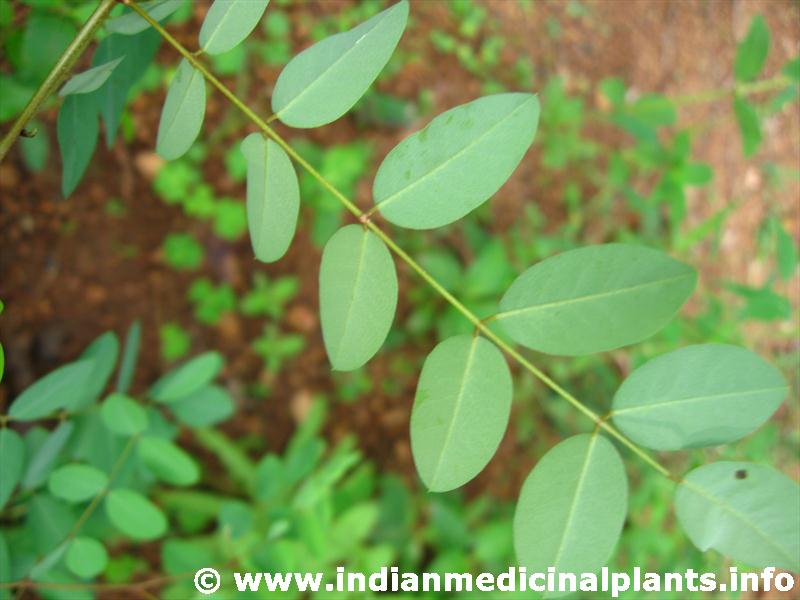
Cultivated in India
Chemical constituents:
Indicine , flavonoids, apigenin, kaempferol, luteolin and quercetin
Properties:
Guna : laghu, ruksha;
Rasa : tikta;
Vipaka: katu;
Virya : ushna;
Karma –kushtaghna, vishaghna, keshyam
antiseptic, hepatoprotective, hypoglycaemic, nervine tonic.
Srotogamitva:
Dosha: Kaphavathaghna.
Dhatu: Rakta, majja
Mala: Purisha, keshya, mutra.
Organ: Intestine.
Prabhava Antidote for rabies and arsenic poisoning.
Indication:
enlargement of liver and spleen, skin diseases, leucoderma, burns, ulcers, piles, nervous disorders, epilepsy, asthma, lumbago, gout, hair fall
Part used:
Whole plant
Dosage:
decoction -. 60 to 100 ml.
External uses : Its lekhan property is useful for treating catarad and other eye conditions (seed powder).It is used as an analgesic in piles and rheumatoid arthritis, It is also useful in wound healing and skin diseases. Alcohol extract kills mites and lice. Leaves are used to dye and nourish hair. Internal uses: It is useful in fainting, delirium, constipation, rheumatoid arthritis, hiccups. hepatosplenomegaly, worms, colic, gout, oedema, cough, breathlessness, calculus and anuria. In dog bite, 60 gms. of leaf juice with equal quantity of cow’s milk is given to prevent hydrophobia. Root decoction is used in arsenic poisoning.
Important Yogas or Formations:
Neelitulasasi tailam, neeli tailm
Therapeutic Uses:
- Leaf paste useful in insect bite
Descriptions on Ayurveda books / Nighandu:
1
2
3
4
5
6
7