PATHA - Cyclea peltata , Cissampelos parieta
|
PATHA
Botanical Name— Cissampelos parieta Linn. (North India) Cyclea peltata (south India )
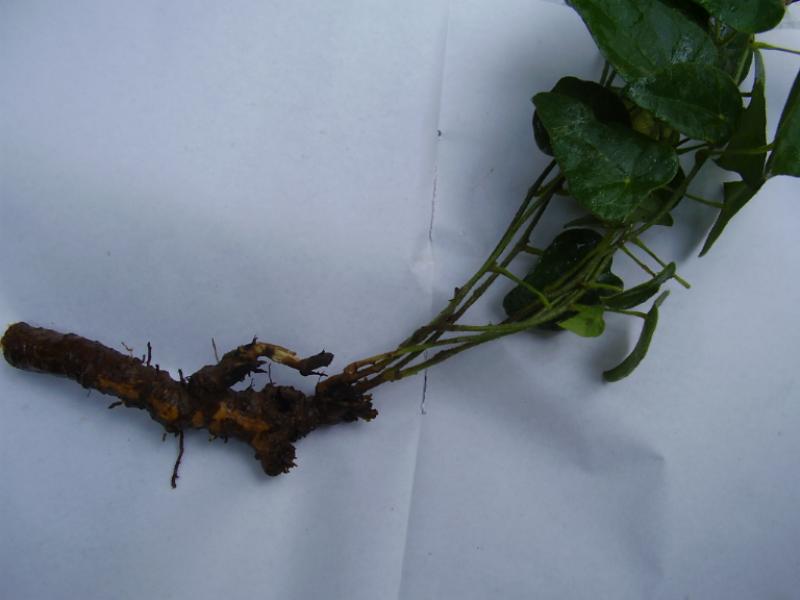
Cyclea peltata
Cissampelos pariera
Names in different language
Hindi- Padhi, Padha;
Telugu- Chiruboddi; Synonyms— Ambasthã, Pãpacelika, Präcinã, Varatiktã, Aviddha karni, Piluphalã, Kucelikã, Ekãsthilã.
Susruta - Mustãdi,
Aragvadhadi, Pippalyadi, Ambasthadi, Brhatyadi, Patolädi Vägbhata - Mustadi, Aragvadhadi, Ambasthdi, Patolädi, Vatsakãdi,
Introduction—
It is one of the best brain tonic used in Ayurveda along with other drugs. In the Vedic literature Pãthã is described as ‘Pãtã’
Cissampelos pariera
Varieties & adulterants - (CV – controversy, AD – adulterants)
2. C. burmani - [AD] 3. Stemphania hernandifolia - [AD] 4. Rivea hypocrateriformins - [AD] 5. R. ornata. - [AD] 6. Raja patha - Cyclea peltata
Morphology
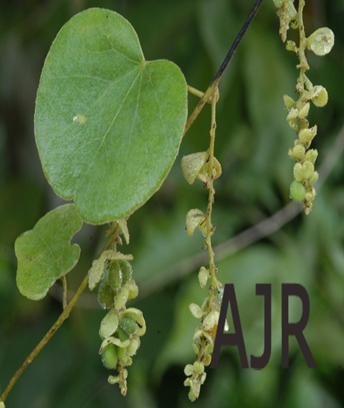
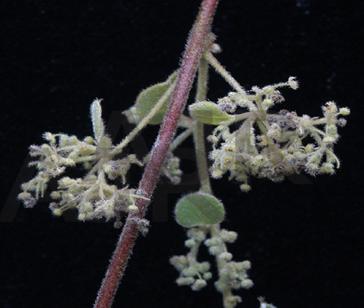
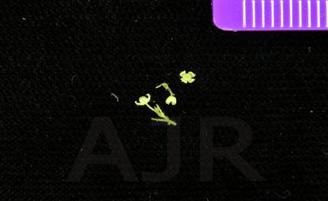
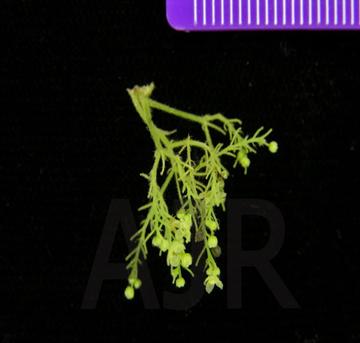
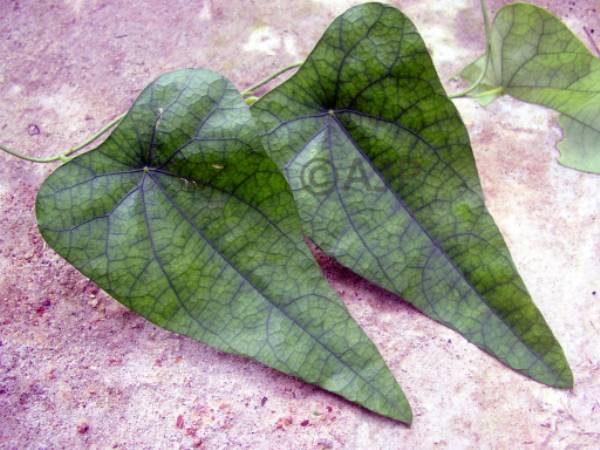
Leaves- peltate, 3.8-10 cm diametre. Flowers- minute, yellowish. Male flowers in axillary cymes, peduncle 18mm long. Sepals 4, hairy, obovate- oblong. Petals combined into a cyathiform corolla, half the length of the sepals. Filaments longer than Corolla. Female flowers in elongate, solitary or twin, axillary racemes; pedicles very short; bracts foliaceous or nearly sessile, orbicular or reniform. Sepal 1, ovate-oblong. Petal 1, sub rotund. Fruit drupe, subglobose, hairy, red, endocarp transversely ridged. Distribution- Found throughout tropical & subtropical India. C. peltata- It is a climber, Leaves- peltate, hairy, Flowers- very small. Male flowers in panicles, very long. Fruit- drupe. reniform.
Distribution & Habitat All over India
Cyclea peltata
chemical constituents C. pariera- Hayatin (dl-becberine), hayatinin, menismine, cissamine, pareirine, cycleanine,bebeerine, hayatidin, (+) quercitol etc. C. peltata- Fangchinoline, cycleapeltine, cycleadrine,cycleacurine, cycleanorine, cycleahomine chloride, chondocurine, magnoflorine,isotetradrine, perpamine, cycleamine, burmannaline etc. Cyclea peltata
Properties— Rasa-Tikta
Guna.-Laghu, Tiksna Karma-Vata-Kaphahara, Visaghna, Grãhi, Balya Cyclea peltata
External uses Being wound healer. antidote and Kushthaghna, paste of leaves and root is used in purities, skin disorders and snake poison. Juice or powdered roots are used as a nasya.
Internal
uses Digestive system : Being an appetizer, digestive, laxative, astringent and anthelniintic, it is useful in anorexia. indigestion,abdominal pain, diarrhoea and dysentery.
Circulatory system
: It is a blood
purifier and has anti-inflammatory properly, so it is used in blood disorders,
heart disorders and inflammation.
Reproductive system
Since it purifies
breast milk it is used in various disorders ot breast milk secretion.
Urinary
system : diuretic, hence useful in
dysuria and haematuria.
Skin :
Kushthaghna, Useful in skin disorders.
Temperature :
Being febrifuge and
refrigerant, it is used in jwara. fever related diarrhoea and burning disorders.
Satmikaran
: Antidote and tonic - bitter
tonic.
Srotogamitva
Dosha
Alleviates vata, kapha. alleviates all
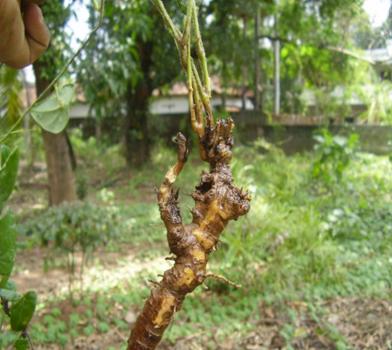
three doshas. Part Used— Root
Indications.- Atisãra, Chardi, üla, Jvara, Kustha, Kandü, Krmi, Hrdroa, Gulma, Yöni röga. Important Yogas or Formations Pusyanuga curna,saddharana yoga.
Therapeutic Uses—
|
|
|
|
|